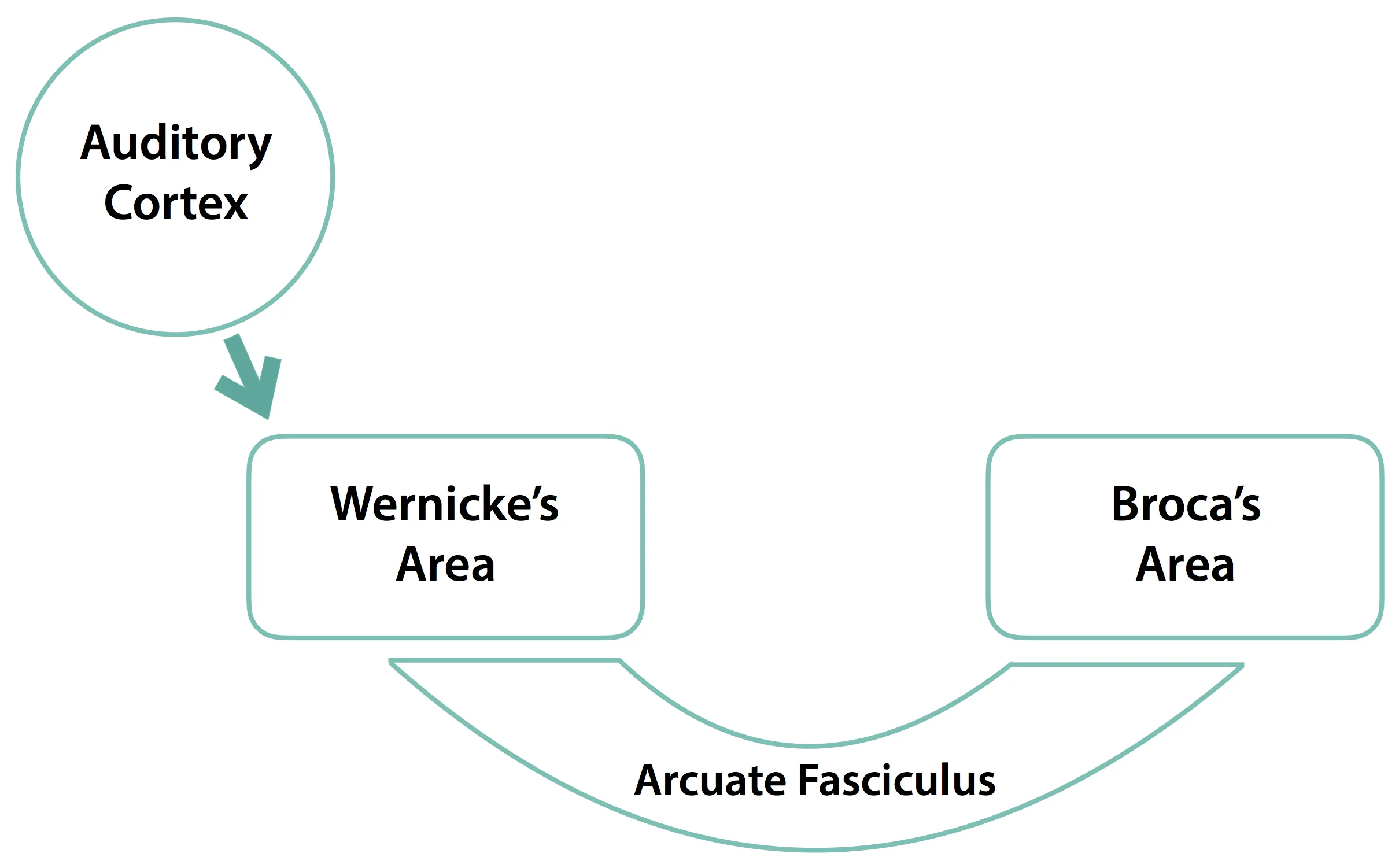
Aphasia Flow Chart
Aphasia Flow Chart - Web anomia in oral and written language, nonfluent speech (with slow, effortful production, short phrase length, impaired prosody, and reduced use of prepositions and conjunctions), good comprehension, impaired repetition, impaired writing (nonfluent agraphia) conduction. Sudden weakness or numbness on one side of the body. Visual aids for understanding words and ideas. Aphasia usually occurs suddenly, often following a stroke or head injury, but it may also develop slowly, as the result of a brain tumor or a progressive neurological disease. Aphasia usually happens suddenly after a stroke or a head injury. Aphasia is usually due to stroke or traumatic injury to the brain. We’ve created a succinct, shareable guide to several types of aphasia. •problems will depend on the type of brain injury and how severe it is. For most people, these areas are on the left side of the brain. Web aphasia is a disorder that results from damage to portions of the brain that are responsible for language. Web people with aphasia can have trouble speaking, reading, or understanding others. Web approximately 180,000 people are diagnosed with aphasia every year. Web there are two broad categories of aphasia: Aphasia is characterized by impairments in language modalities including speaking, understanding, reading and writing. These are the definitions of the different types of aphasia, according to the national aphasia. It often happens with conditions like stroke. Aphasia usually happens suddenly after a stroke or a head injury. About 1/3 of people who have strokes get aphasia. Sudden headache for no reason. Web aphasia is a disorder that results from damage to portions of the brain that are responsible for language. Web part of aphasia awareness month is bringing general information about aphasia to the public. Our aphasia library aims to inform persons with aphasia, caregivers, and anyone about all aspects and types of aphasia. Wernicke’s aphasia is a fluent aphasia. It can impact your speech, as well as the way you write and understand both spoken and written language. Aphasia. Damage to the temporal lobe of the brain may result in wernicke’s aphasia (see figure), the most common type of fluent aphasia. Our aphasia library aims to inform persons with aphasia, caregivers, and anyone about all aspects and types of aphasia. Web what are the types of aphasia? Wernicke’s aphasia is a fluent aphasia. Sudden dizziness or trouble walking. Damage to the temporal lobe of the brain may result in wernicke’s aphasia (see figure), the most common type of fluent aphasia. Web fluent aphasia is when a patient can produce speech that is connected but lacks meaning. Global aphasia is the most severe and is a combination of both fluent and nonfluent. Facts and figures about aphasia. Wernicke’s aphasia. This happens with damage or disruptions in parts of the brain that control spoken language. Web this topic reviews the clinical assessment of aphasia, the major aphasia syndromes, and an initial approach to diagnostic evaluation and management. Aphasia and stroke can appear suddenly, but warning signs can occur: Visual aids for understanding words and ideas. Web aphasia is a disorder. Sudden headache for no reason. Sudden dizziness or trouble walking. Web aphasia is an impairment of language caused by damage to the language area of the brain, primarily broca and wernicke areas. Broca, wernicke & arcuate fasciculus. These are the definitions of the different types of aphasia, according to the national aphasia. Aphasia usually happens suddenly after a stroke or a head injury. Web this topic reviews the clinical assessment of aphasia, the major aphasia syndromes, and an initial approach to diagnostic evaluation and management. Aphasia is usually due to stroke or traumatic injury to the brain. Visual aids for understanding words and ideas. Global aphasia is the most severe and is. Web listed below are the 7 different types of aphasia: Web this topic reviews the clinical assessment of aphasia, the major aphasia syndromes, and an initial approach to diagnostic evaluation and management. •everyone with aphasia will have different skills and different problems. Web aphasia is an acquired communication disorder that impairs a person’s ability to process language, but does not. Web part of aphasia awareness month is bringing general information about aphasia to the public. For most people, these areas are on the left side of the brain. About 1/3 of people who have strokes get aphasia. Injury to the brain can be caused by various disease processes such as cerebrovascular accident (cva), traumatic brain injury (tbi), brain mass, or. Global aphasia is the most severe and is a combination of both fluent and nonfluent. Web aphasia is a disorder that results from damage to portions of the brain that are responsible for language. Web aphasia is an impairment of language caused by damage to the language area of the brain, primarily broca and wernicke areas. This happens with damage. Wernicke’s aphasia is a fluent aphasia. Web fluent aphasia is when a patient can produce speech that is connected but lacks meaning. Around broca, wernicke & arcuate fasciculus. Sudden dizziness or trouble walking. Web part of aphasia awareness month is bringing general information about aphasia to the public. Web anomia in oral and written language, nonfluent speech (with slow, effortful production, short phrase length, impaired prosody, and reduced use of prepositions and conjunctions), good comprehension, impaired repetition, impaired writing (nonfluent agraphia) conduction. Web aphasia is an impairment of language caused by damage to the language area of the brain, primarily broca and wernicke areas. Fluent and nonfluent, and there are several types within these groups. But brain injuries resulting in aphasia may also arise from head trauma, from brain tumors, or from infections. Within these two broad categories, there are three common types of aphasia. Web anomia in oral and written language, nonfluent speech (with slow, effortful production, short phrase length, impaired prosody, and reduced use of prepositions and conjunctions), good comprehension, impaired repetition, impaired writing (nonfluent agraphia) conduction. There are two different categories of aphasia (nonfluent and fluent), and each has several types associated with. Web part of aphasia awareness month is bringing general information about aphasia to the public. For most people, these areas are on the left side of the brain. Our aphasia library aims to inform persons with aphasia, caregivers, and anyone about all aspects and types of aphasia. Sudden weakness or numbness on one side of the body. Damage to the temporal lobe of the brain may result in wernicke’s aphasia (see figure), the most common type of fluent aphasia. Aphasia and stroke can appear suddenly, but warning signs can occur: Web aphasia is an acquired communication disability resulting from damage to the language areas of the brain, most often due to stroke, although other etiologies such as brain trauma or tumor can also cause aphasia. We’ve created a succinct, shareable guide to several types of aphasia. Web aphasia is a disorder that affects how you communicate.
Aphasia Flow Sheet
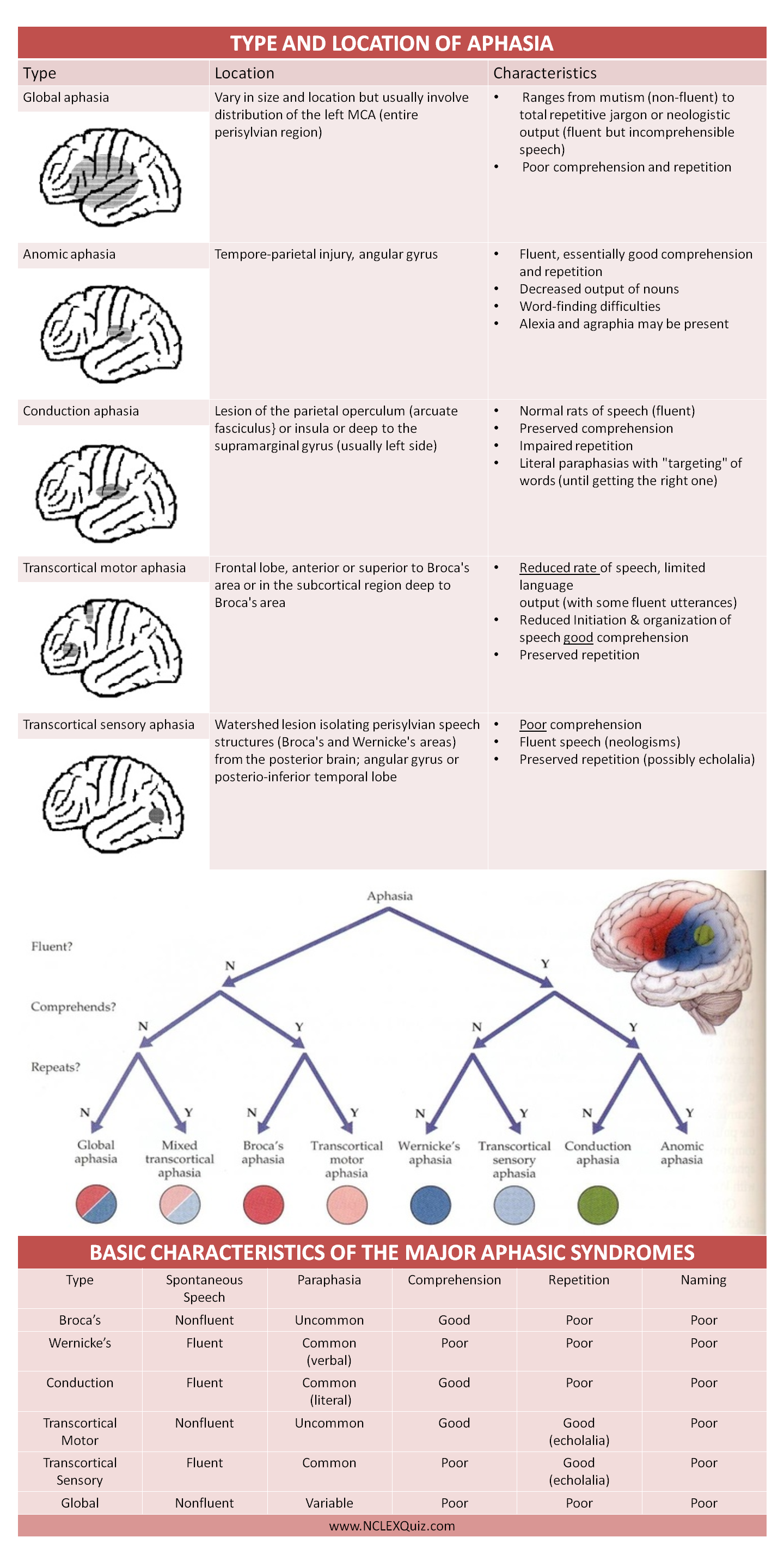
Types Of Aphasia Chart A Visual Reference of Charts Chart Master
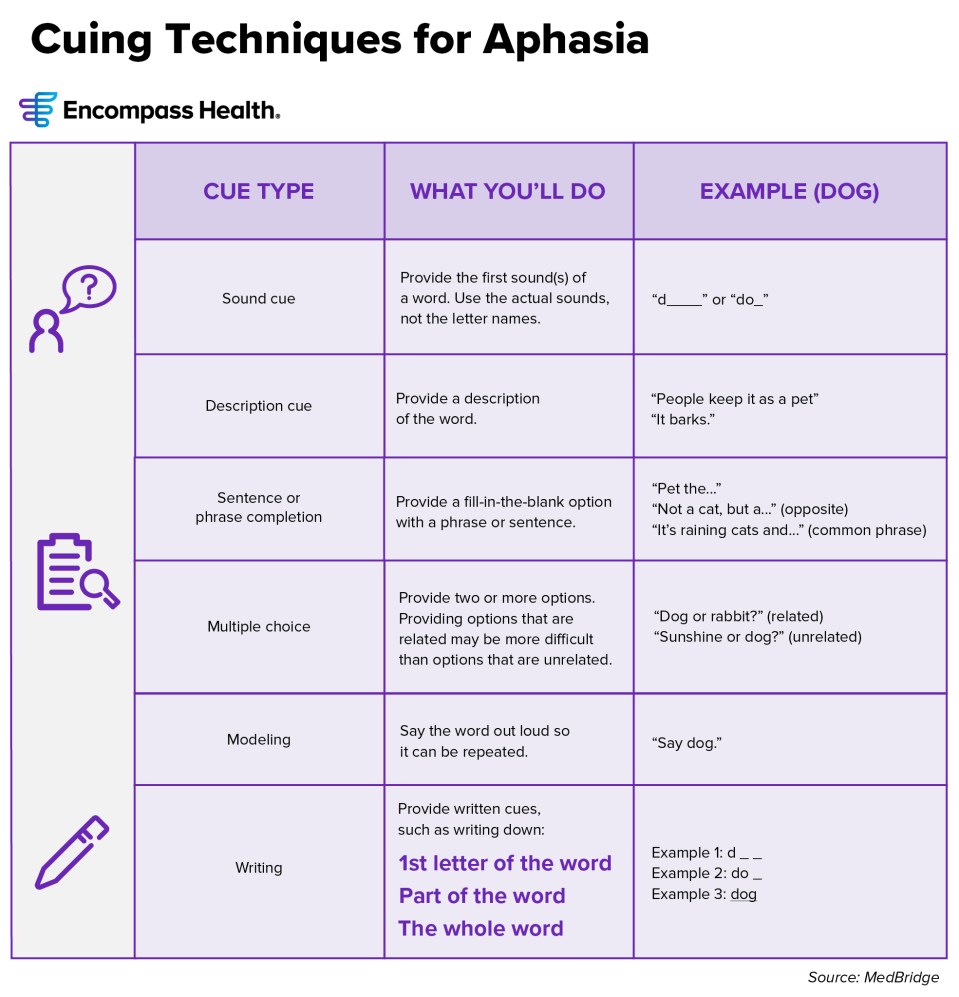
Types of Aphasia What They are and How They're Treated
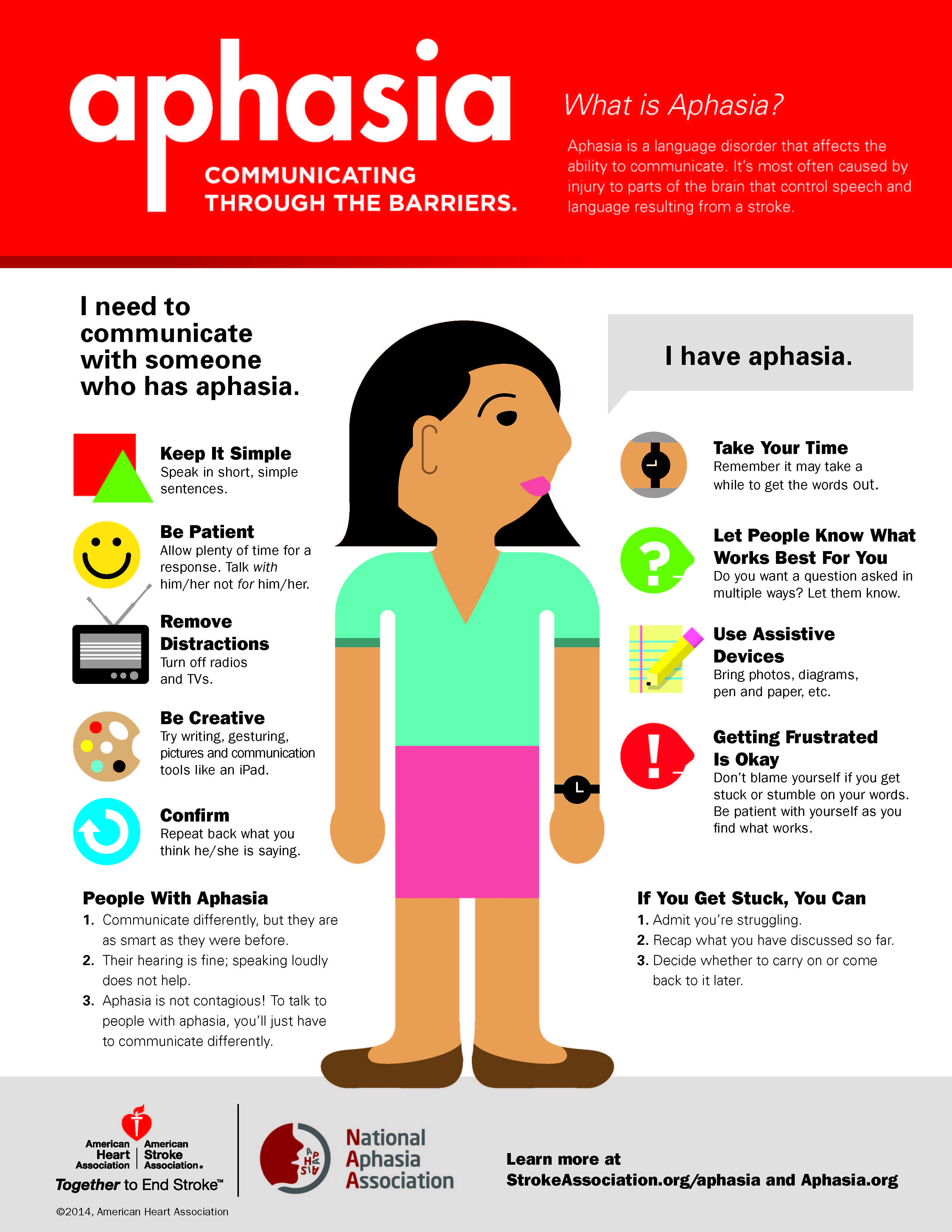
Types Of Aphasia Chart
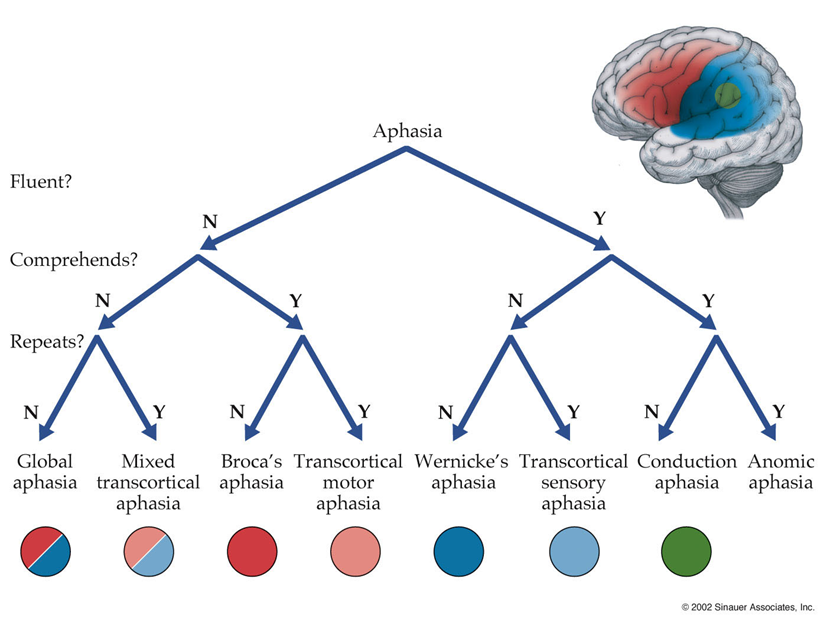
Types of Aphasia based on fluency, comprehension, repetition

Flowchart Rotterdam Aphasia Therapy Study3. Download Scientific Diagram
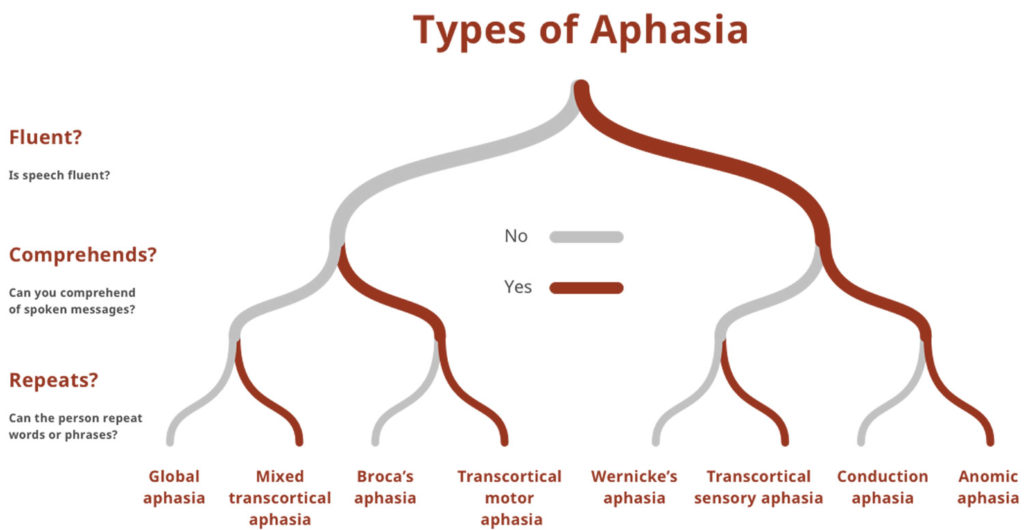
Aphasia Types, Causes, Symptoms, Diagnosis, Treatment

Types Of Aphasia Chart
Aphasia The pathology behind speech defects — Firstclass

Aphasia Flow Chart Ppt Powerpoint Presentation Outline Background Cpb
•Everyone With Aphasia Will Have Different Skills And Different Problems.
Web Approximately 180,000 People Are Diagnosed With Aphasia Every Year.
Sudden Dizziness Or Trouble Walking.
These Are The Definitions Of The Different Types Of Aphasia, According To The National Aphasia.
Related Post: