
Ar 15 Twist Rate Chart
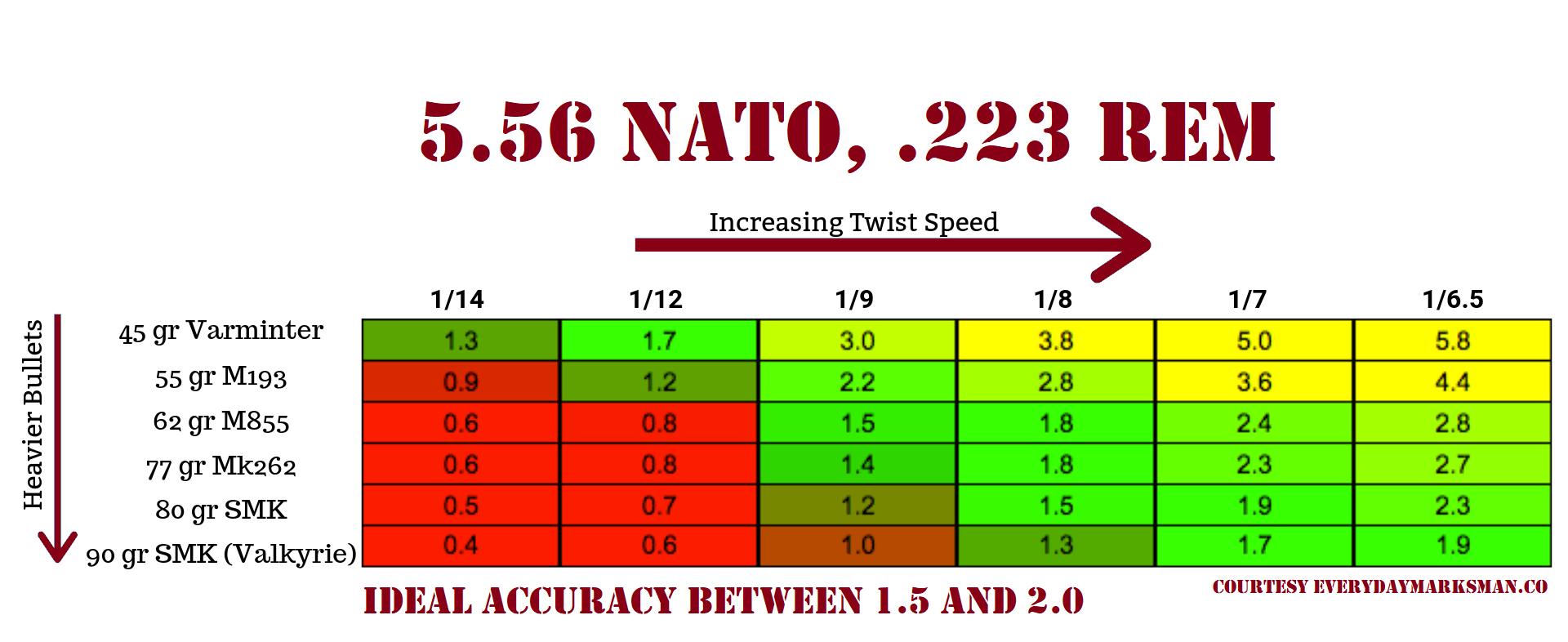
Ar 15 Twist Rate Chart - Web examples, ar rifles: This determines which bullets perform best with different rates of rotation for accuracy and reduced lead fouling. This tool allows you to figure out which bullets will stabilize out of. Unfortunately, 1:7 is too fast for frangible varmint bullets, so now we have two standard twist rates for.223 rifles: On a 20″ barrel, that means the bullet rotates nearly three full turns before exiting. Rifling twist is expressed as a complete rotation per inches of rifling, as in 1:10 (one turn in 10 inches). 1:12 for varmint rifles and 1:7 for military type rifles. If you want to shoot heavier bullets, those up to about 77 grains, you’ll need a 1:8 twist. The reason is that different bullet weights perform better with certain rates of twist. Twist rate is denoted as 1/7, 1/8, 1/12, etc. Web explore the ar 15 barrels twist rate chart to match the right twist 1:7, 1:8, or 1:9 with bullet weights for optimal shooting accuracy. We put this common myth to the test so you know the best twist rate for your bullet weight. Unfortunately, 1:7 is too fast for frangible varmint bullets, so now we have two standard twist rates for.223 rifles: Web a guide on how to pair.223 and 5.56 nato rifle barrel twist rates with bullet weights. Web the below berger twist rate stability calculator allows you to identify what the optimal twist rate and the marginal twist rate is for any given bullet given your shooting conditions. Web this being long understood, we can take for granted the correct twist rate for achieving stability—most of the time. When the military first adopted the m16 rifle, they had 1:12 or 1:14 twist rates. Web examples, ar rifles: Rifling twist is expressed as a complete rotation per inches of rifling, as in 1:10 (one turn in 10 inches). Conventional wisdom says slower twist rates wouldn't properly stabilize a heavy bullet. We put this common myth to the test so you know the best twist rate for your bullet weight. Web a guide on how to pair.223 and 5.56 nato rifle barrel twist rates with bullet weights. Web the below berger twist rate stability calculator allows you to identify what the optimal twist rate and the marginal twist rate is for. Web a guide on how to pair.223 and 5.56 nato rifle barrel twist rates with bullet weights. On a 20″ barrel, that means the bullet rotates nearly three full turns before exiting. The reason is that different bullet weights perform better with certain rates of twist. Conventional wisdom says slower twist rates wouldn't properly stabilize a heavy bullet. Web we. The 1:7 twist, currently the standard for military weapons, works well with bullets up to 80 grains. While you might find other twist. Web explore the ar 15 barrels twist rate chart to match the right twist 1:7, 1:8, or 1:9 with bullet weights for optimal shooting accuracy. Web the below berger twist rate stability calculator allows you to identify. This tool allows you to figure out which bullets will stabilize out of. Web examples, ar rifles: Web a guide on how to pair.223 and 5.56 nato rifle barrel twist rates with bullet weights. This determines which bullets perform best with different rates of rotation for accuracy and reduced lead fouling. On a 20″ barrel, that means the bullet rotates. The 1:7 twist, currently the standard for military weapons, works well with bullets up to 80 grains. This determines which bullets perform best with different rates of rotation for accuracy and reduced lead fouling. When the military first adopted the m16 rifle, they had 1:12 or 1:14 twist rates. Conventional wisdom says slower twist rates wouldn't properly stabilize a heavy. While the 1:8 twist rate can handle most. Web the below berger twist rate stability calculator allows you to identify what the optimal twist rate and the marginal twist rate is for any given bullet given your shooting conditions. This tool allows you to figure out which bullets will stabilize out of. While you might find other twist. The 1:7. Web a guide on how to pair.223 and 5.56 nato rifle barrel twist rates with bullet weights. The 1:7 twist, currently the standard for military weapons, works well with bullets up to 80 grains. Web explore the ar 15 barrels twist rate chart to match the right twist 1:7, 1:8, or 1:9 with bullet weights for optimal shooting accuracy. While. Rifling twist is expressed as a complete rotation per inches of rifling, as in 1:10 (one turn in 10 inches). On a 20″ barrel, that means the bullet rotates nearly three full turns before exiting. Conventional wisdom says slower twist rates wouldn't properly stabilize a heavy bullet. The 1:7 twist, currently the standard for military weapons, works well with bullets. Web a guide on how to pair.223 and 5.56 nato rifle barrel twist rates with bullet weights. The reason is that different bullet weights perform better with certain rates of twist. Web we write the twist rate in terms of one rotation over x inches of barrel. Conventional wisdom says slower twist rates wouldn't properly stabilize a heavy bullet. If. While the 1:8 twist rate can handle most. This determines which bullets perform best with different rates of rotation for accuracy and reduced lead fouling. Web this being long understood, we can take for granted the correct twist rate for achieving stability—most of the time. The 1:7 twist, currently the standard for military weapons, works well with bullets up to. Web performing a quick web search for a 5.56 twist rate chart will show you the best twist rate for your ar15 barrel, but remember, this is just a starting point. When the military first adopted the m16 rifle, they had 1:12 or 1:14 twist rates. Web a guide on how to pair.223 and 5.56 nato rifle barrel twist rates with bullet weights. Unfortunately, 1:7 is too fast for frangible varmint bullets, so now we have two standard twist rates for.223 rifles: This tool allows you to figure out which bullets will stabilize out of. Rifling twist is expressed as a complete rotation per inches of rifling, as in 1:10 (one turn in 10 inches). Web we write the twist rate in terms of one rotation over x inches of barrel. Twist rate is denoted as 1/7, 1/8, 1/12, etc. While you might find other twist. While the 1:8 twist rate can handle most. 1:12 for varmint rifles and 1:7 for military type rifles. Web explore the ar 15 barrels twist rate chart to match the right twist 1:7, 1:8, or 1:9 with bullet weights for optimal shooting accuracy. Web the below berger twist rate stability calculator allows you to identify what the optimal twist rate and the marginal twist rate is for any given bullet given your shooting conditions. Conventional wisdom says slower twist rates wouldn't properly stabilize a heavy bullet. Web this being long understood, we can take for granted the correct twist rate for achieving stability—most of the time. If you want to shoot heavier bullets, those up to about 77 grains, you’ll need a 1:8 twist.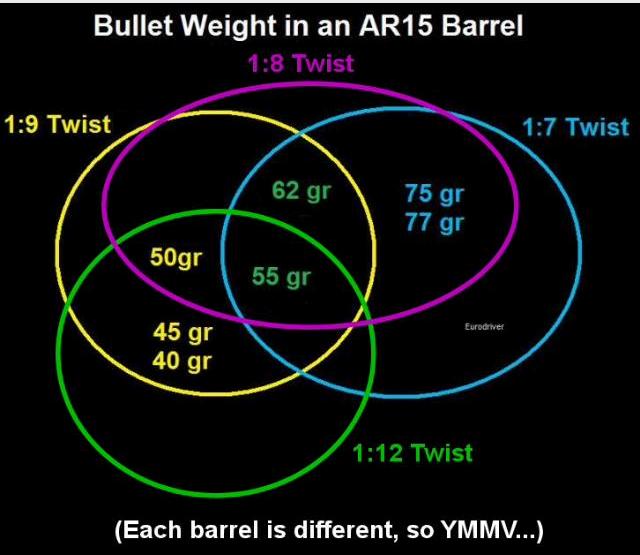
AR15 Barrel Twist Rate VS Bullet Weight Jars Prep Net

223 Barrel Twist Rate Chart
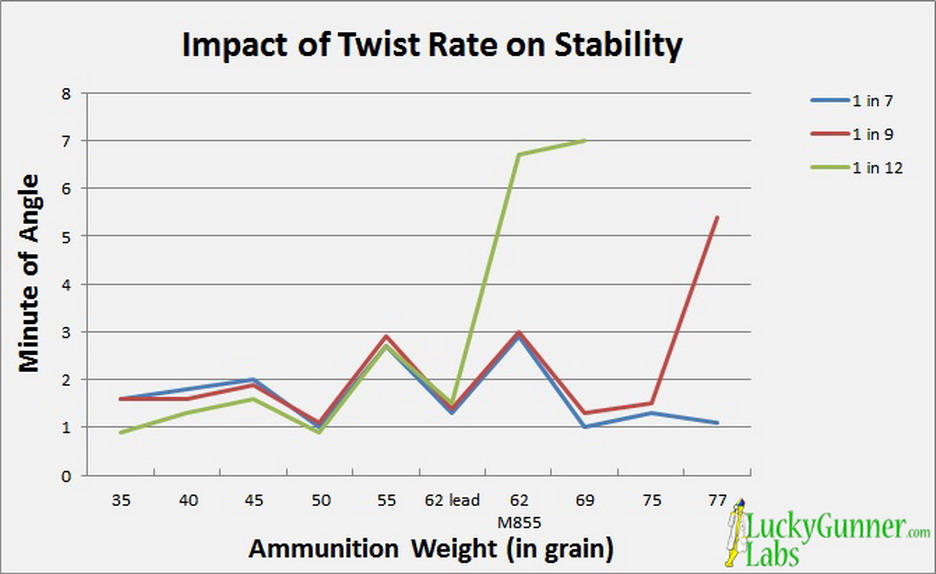
Ar15 Barrel Twist Chart
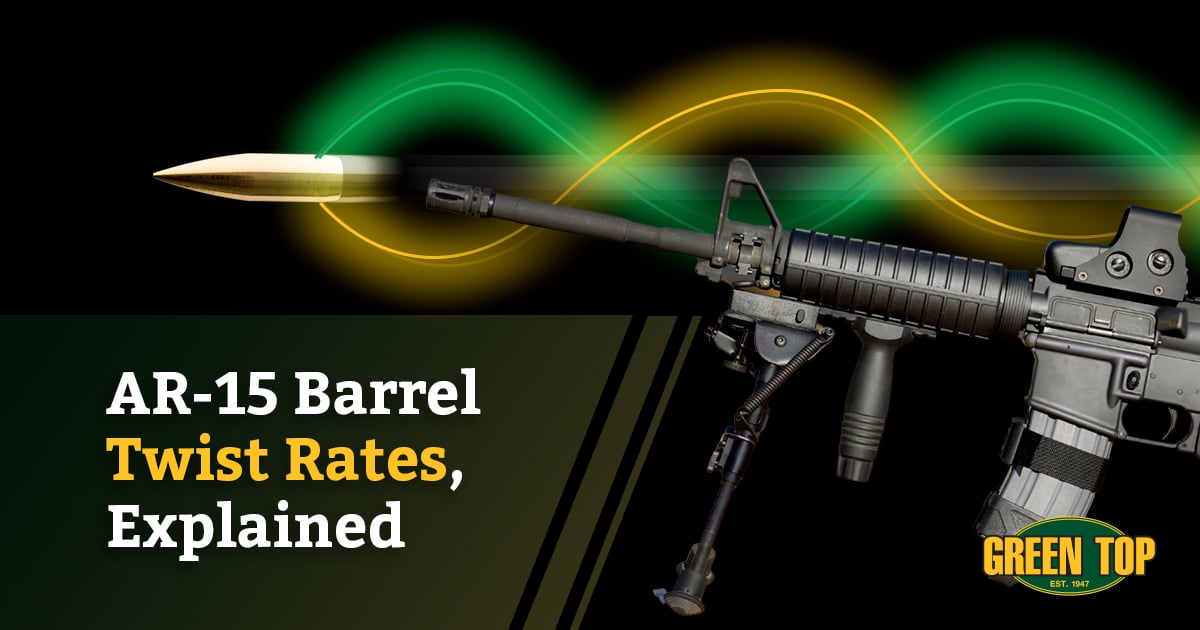
AR15 Barrel Twist Rates, Explained

AR15 Barrel Twist Rates What You Need To Know
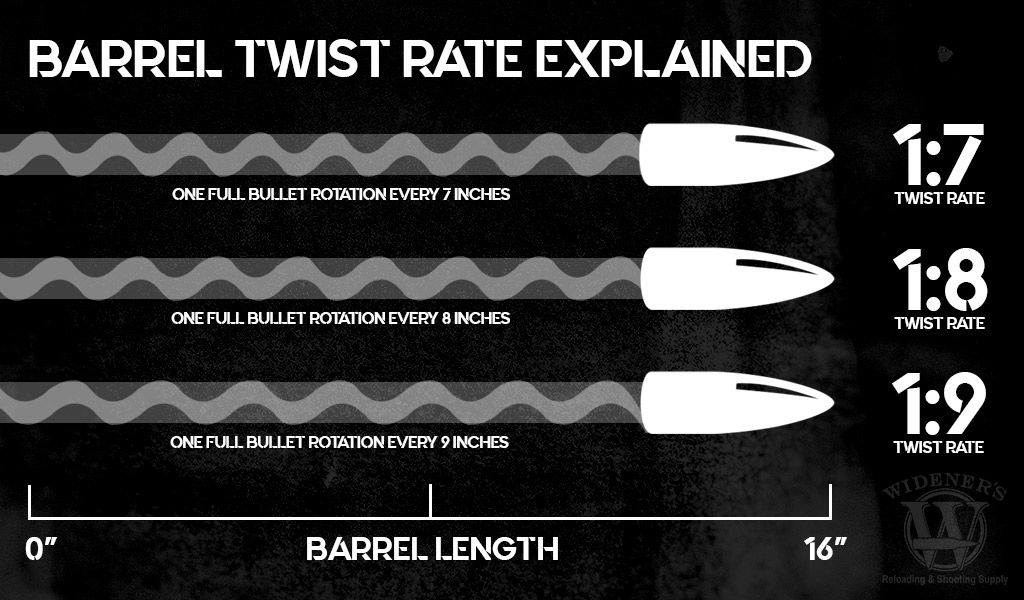
Barrel Twist Rate Selecting Bullet Weight For Your AR

How To Find the Ideal Twist Rate for Your Rifle

What does Rate of Twist mean for firearms? What is Twist rate?
Builder's Guide to AR15 Barrels 80 Lowers

Ar15 Barrel Twist Chart
Web Examples, Ar Rifles:
The Reason Is That Different Bullet Weights Perform Better With Certain Rates Of Twist.
A Barrel’s Twist Rate Describes How Quickly The Grooves Spiral.
We Put This Common Myth To The Test So You Know The Best Twist Rate For Your Bullet Weight.
Related Post: