
Brake Pad Depth Chart
Brake Pad Depth Chart - Web by providing a clear reference for measuring the thickness of your brake pads, this chart enhances vehicle safety, extends the lifespan of your brake pads, and. Making sure your brakes and brake pads are in good condition is. This initial thickness is essential for providing the. While you can sometimes get away with 2mm, that is right around where. The ideal brake pad thickness should measure six millimeters or more. If it’s thinner than this, consider getting a replacement soon. They won’t perform as well once they go below this. That’s a total of four pads on a. Look up the recommended minimum thickness for the brake pads. Web car brake pads last around 50,000 miles on average, but this can vary depending on a large range of factor which we've detailed below. Web in most cases, you’ll want to replace brake pads when they get down to about 3mm. Web the minimum pad thickness is approximately 2 to 3mm (about 1/8″). What’s the ideal brake pad thickness? Web the recommended minimum thickness for brake pads varies depending on the vehicle’s make and model, but as a general rule, many experts suggest replacing the. Look up the recommended minimum thickness for the brake pads. Web brake pads should be changed before they wear down to 1.5mm. However, most car mechanics recommend replacing them when only 20 percent of the thickness. Most manufacturers and mechanics will all agree that you should. This is the generally accepted. Web ideally, your brake pads should be between six and eight millimeters thick. The thinnest part of the pad should be about 2 to 3 mm (about 1/8 inch). That depends on your car’s braking system. Most manufacturers and mechanics will all agree that you should. Web last updated on april 1, 2021. While you can sometimes get away with 2mm, that is right around where. However, most car mechanics recommend replacing them when only 20 percent of the thickness. What’s the ideal brake pad thickness? A new brake pad will be around 10mm thick. This initial thickness is essential for providing the. While you can sometimes get away with 2mm, that is right around where. While you can sometimes get away with 2mm, that is right around where. Here's a guide which includes a chart. Web the industry standard often suggests a minimum thickness of 3 millimeters (0.118 inches) for brake pads, but it’s crucial to note that this measurement can vary. Web last updated on april 1, 2021. Web ideally, your brake pads should. Web the recommended minimum thickness for brake pads varies depending on the vehicle’s make and model, but as a general rule, many experts suggest replacing the. Making sure your brakes and brake pads are in good condition is. This is the bare minimum and means the pad needs to be. Web in this guide, we cover every brake pad measurement. Web when you have to brake hard, if there is a deep whooshing or groaning sound, that’s a sign your pads are getting low. Web in most cases, you’ll want to replace brake pads when they get down to about 3mm. The ideal brake pad thickness should measure six millimeters or more. Look up the recommended minimum thickness for the. Not only will we look at the thickness when the brake pads are new, but also cover what. Web the industry standard often suggests a minimum thickness of 3 millimeters (0.118 inches) for brake pads, but it’s crucial to note that this measurement can vary. Web minimum brake pad thickness. Web how to check the thickness of brake pads. Web. Web minimum brake pad thickness. Web in most cases, you’ll want to replace brake pads when they get down to about 3mm. In most cars, each caliper has one inner pad and one outer pad. This is the generally accepted. This is an absolute minimum and indicates pad replacement is required immediately. This initial thickness is essential for providing the. Web by providing a clear reference for measuring the thickness of your brake pads, this chart enhances vehicle safety, extends the lifespan of your brake pads, and. Web last updated on april 1, 2021. Most modern brake pads have little metal tabs set to contact. Web car brake pads last around 50,000. Web how to check the thickness of brake pads. While you can sometimes get away with 2mm, that is right around where. Web the recommended minimum thickness for brake pads varies depending on the vehicle’s make and model, but as a general rule, many experts suggest replacing the. Web brake pad replacement is a part of any professional brake system. What’s the ideal brake pad thickness? Web how to check the thickness of brake pads. Web by providing a clear reference for measuring the thickness of your brake pads, this chart enhances vehicle safety, extends the lifespan of your brake pads, and. Web the minimum pad thickness is approximately 2 to 3mm (about 1/8″). When you visit a professional technician,. Web having a basic understanding of the different types of brake pads available enables you to choose the right ones for your vehicle’s needs, driving habits, and budget. Web when you have to brake hard, if there is a deep whooshing or groaning sound, that’s a sign your pads are getting low. Web compare the measurement to the manufacturer’s specifications or the brake pad thickness chart. Here's a guide which includes a chart. Web how to check the thickness of brake pads. Web last updated on april 1, 2021. Look up the recommended minimum thickness for the brake pads. Web the industry standard often suggests a minimum thickness of 3 millimeters (0.118 inches) for brake pads, but it’s crucial to note that this measurement can vary. Web how many brake pads are on a car? A new brake pad will be around 10mm thick. Web automotive brake experts agree that brake pads should not be allowed to wear below 3/16 of an inch (4.8mm) in thickness. While you can sometimes get away with 2mm, that is right around where. Web the recommended minimum thickness for brake pads varies depending on the vehicle’s make and model, but as a general rule, many experts suggest replacing the. The ideal brake pad thickness should measure six millimeters or more. This is an absolute minimum and indicates pad replacement is required immediately. Web ideally, your brake pads should be thicker than 6.4 mm (¼ inches) for proper functioning.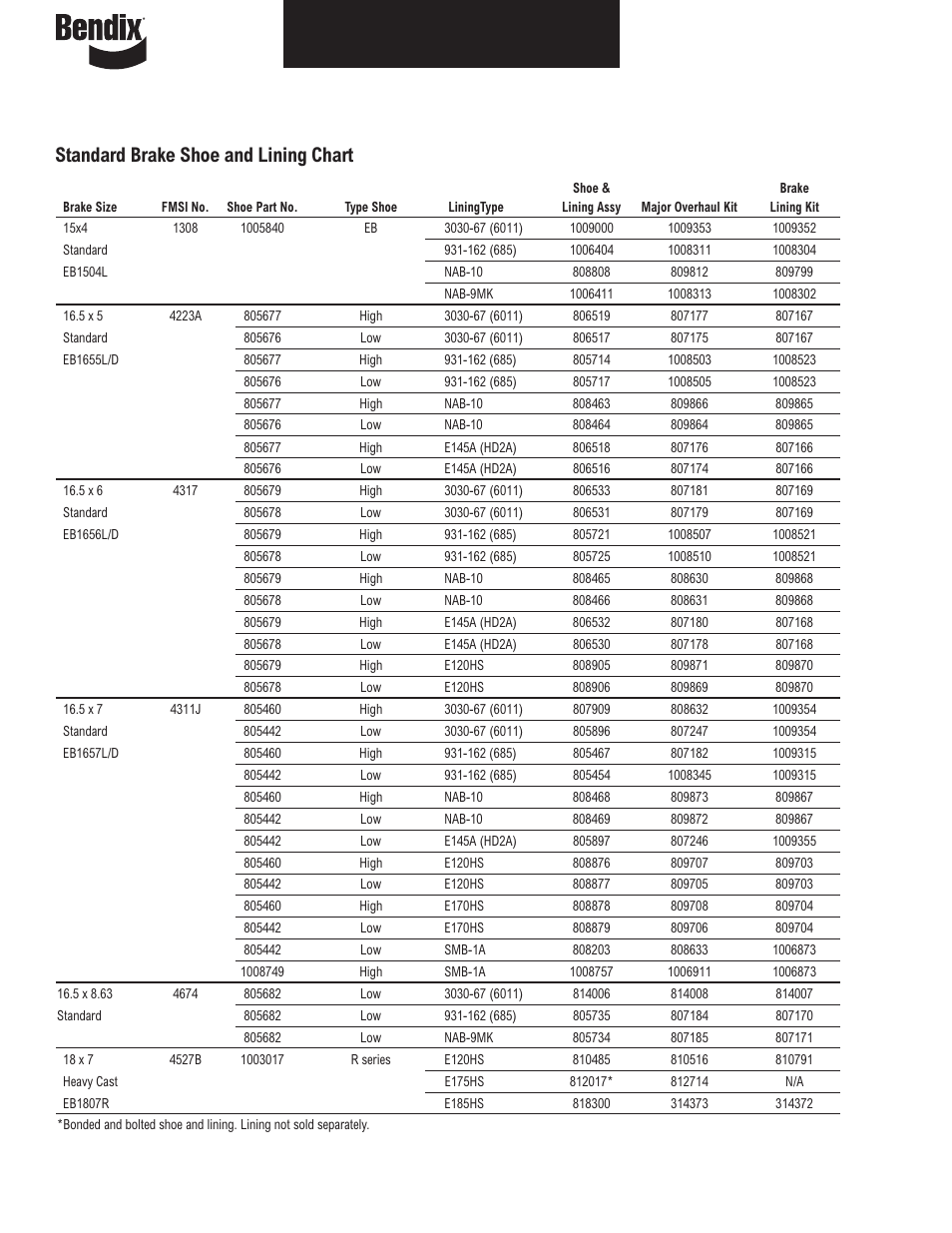
Brake Pad Identification Chart A Visual Reference of Charts Chart Master
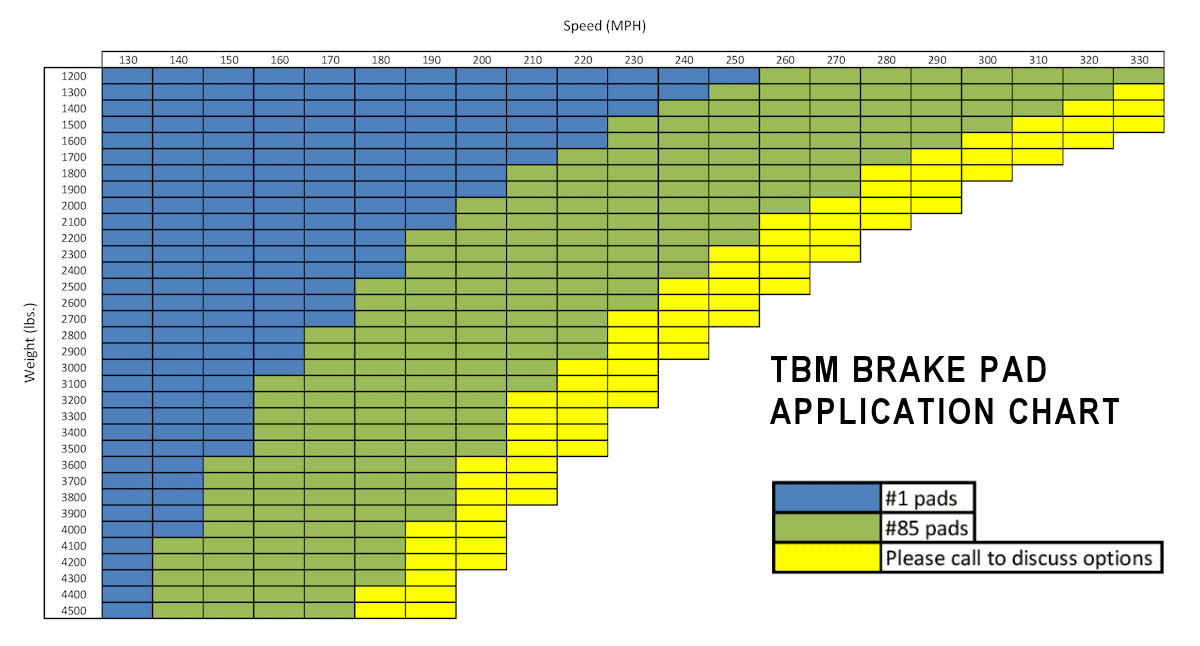
TBM Brake Pad Application Chart Vincent Performance

Repair Guides Brake Specifications Chart Brake Specifications
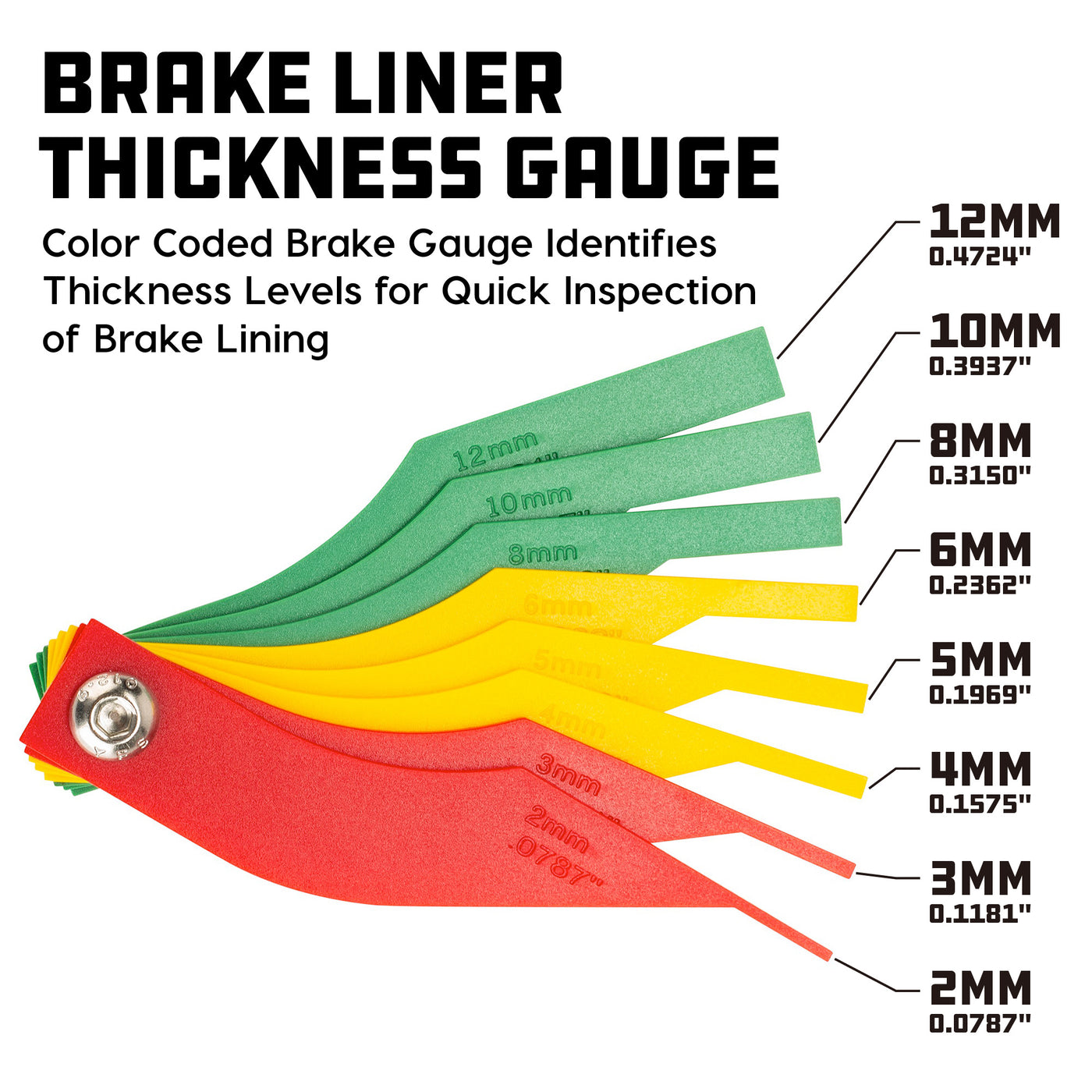
Brake Lining Thickness Gauge
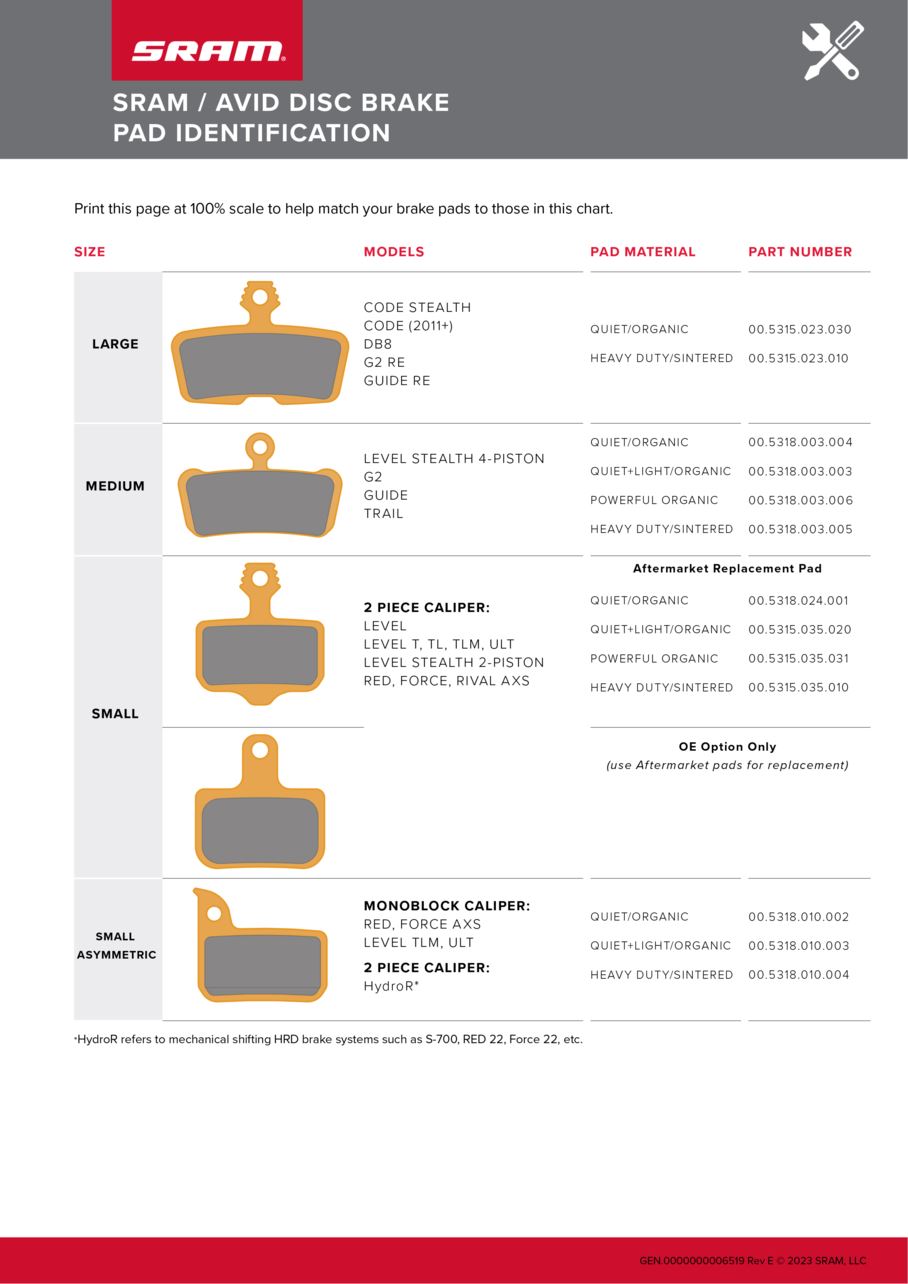
Brake Pad Depth Chart
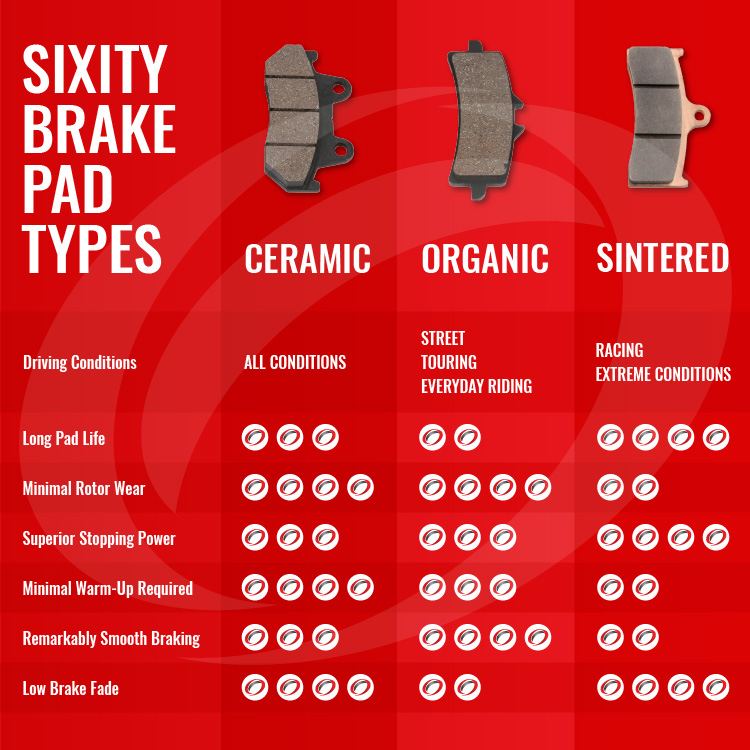
Sixity Brake Pad Selection Guide
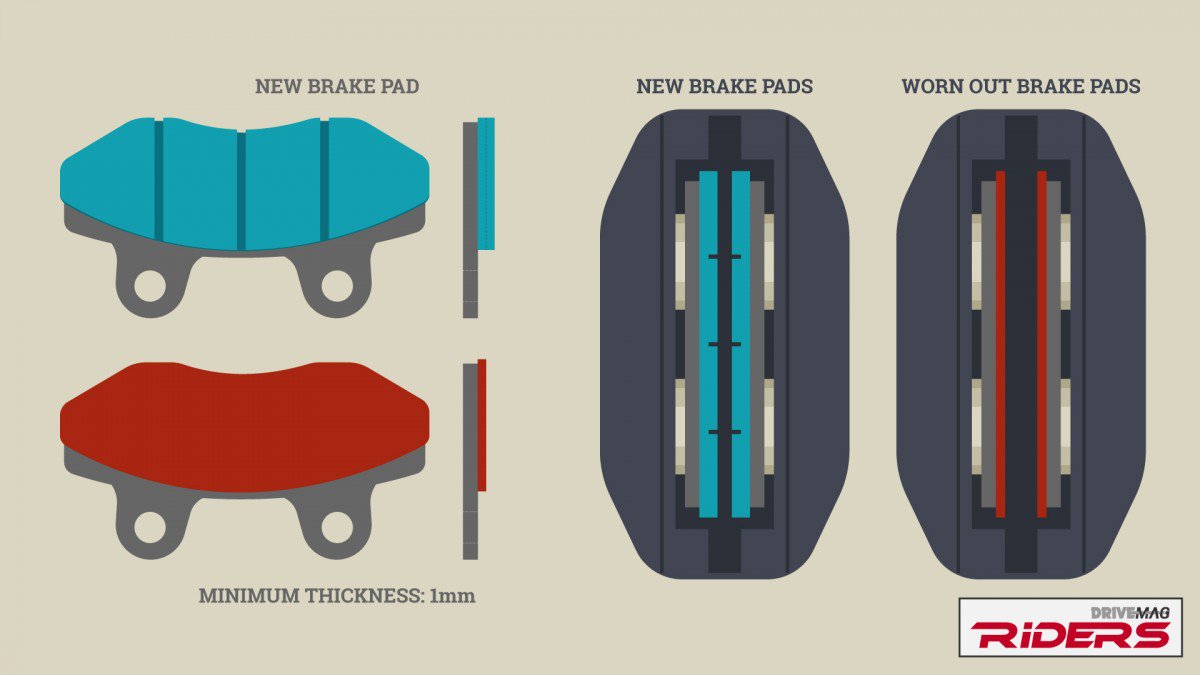
Braking system checkup Infographic
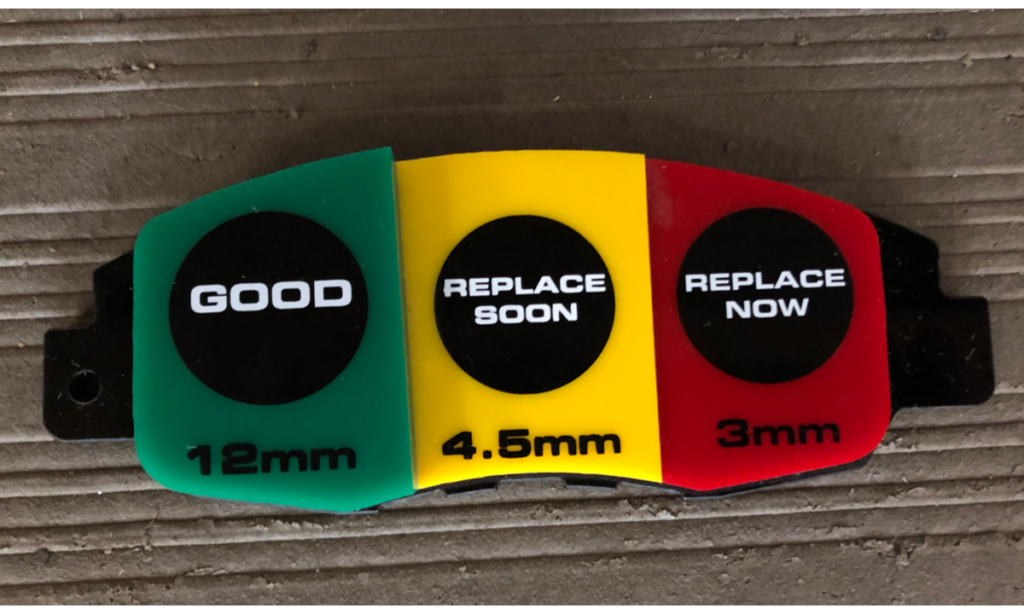
Brake Pad Wear Chart
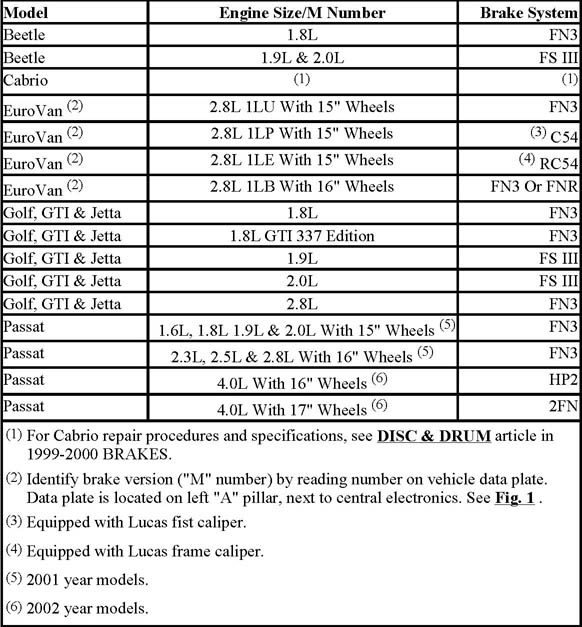
Brake Pad Identification Chart A Visual Reference of Charts Chart Master

Repair Guides Brake Specifications Brake Specifications
This Is The Generally Accepted.
Web By Providing A Clear Reference For Measuring The Thickness Of Your Brake Pads, This Chart Enhances Vehicle Safety, Extends The Lifespan Of Your Brake Pads, And.
Web Minimum Brake Pad Thickness.
Web In Most Cases, You’ll Want To Replace Brake Pads When They Get Down To About 3Mm.
Related Post: