Changing Dog Food Chart
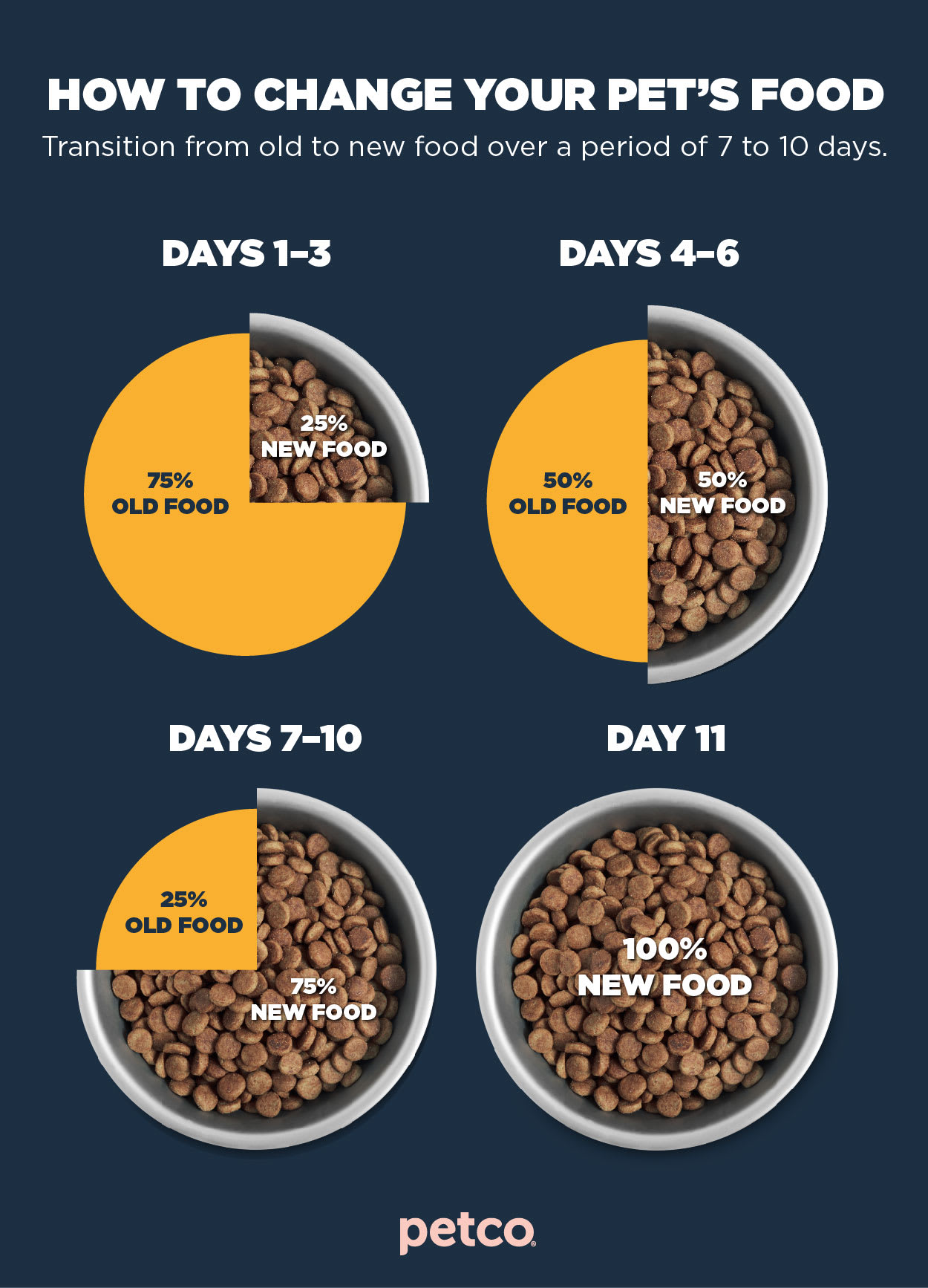
Changing Dog Food Chart - Switching your dog’s food gradually over 1 to 2 weeks reduces the likelihood of digestive upset. You’ve decided to change your dog’s food to one that better fits your budget. Web you can switch your dog’s food gradually if: Web when you change your dog’s diet, it’s important to switch its food gradually so it doesn’t get sick. 70% old food, 30% new food. You need to ensure that your puppy has the extra protein, fat, and minerals they need to support their growth and development and prevent various bone, joint, brain, and eye disorders. The general guideline to follow is: Web switching dog food can be can be a great way to improve the health of your pet. Web after about the first week or two, your dog should be fully transitioned to the new diet. Follow our guide on how to switch your dog or cat's food the easy way. Reduce your dog’s risk of digestive upset. Unless it is otherwise recommended by your vet, it is usually recommended to make any changes to dog food as a slow and smooth transition. Web when using diet rotation. Once your portions are correct, gradually decrease the amount of current (old) dog food while increasing the amount of new dog food. Web dog food transition chart. Web unless you're feeding your dog a food classified as all life stages (which you should not be feeding an adult or senior dogs), you will need to change it when they transition from puppyto adult, and possibly again when they transition from adult to senior. The general guideline to follow is: Switching your dog’s food gradually over 1 to 2 weeks reduces the likelihood of digestive upset. 25% new diet and 75% old diet. Your dog might eagerly eat everything placed in their bowl, but there are plenty of good reasons why you should switch diets slowly. 25% new diet and 75% old diet. Web you can switch your dog’s food gradually if: Web learn some of the best practices for changing your pet's food, including when to switch and how to gradually transition new food into your pet's diet! Web after about the first week or two, your dog should be fully transitioned to the new. Web you can switch your dog’s food gradually if: How to — change your pet’s food. Switching your dog’s food gradually over 1 to 2 weeks reduces the likelihood of digestive upset. 50% new diet and 50% old diet. The general guideline to follow is: When might you need to change your dog’s diet? Web you can switch your dog’s food gradually if: Web making a switch can be a delicious change. Rising prices come as geopolitical tensions. Web introducing the new food gradually helps get your dog’s digestive system acclimated to the new ingredients. Web dog food transition chart. Unless you practice rotational feeding, your dog has probably eaten the same food for months or years. You’ve decided to change your dog’s food to one that better fits your budget. Add more new food the next day, and so on, for seven days. Web if you’ve decided to make a change to your dog’s. When might you need to change your dog’s diet? Web switching your puppy or senior dog's food but unsure of the best way to do so? Reduce your dog’s risk of digestive upset. Web learn how to gradually transition your dog to a new food in order to minimize the risk of stomach upset. 70% old food, 30% new food. In the video below… dr. Web learn how to gradually transition your dog to a new food in order to minimize the risk of stomach upset. 75% old food, 25% new food. Web dog food transition chart. Common symptoms you might notice in your dog when switching foods are lack of appetite, vomiting, diarrhea, and gassiness. Web puppies also eat more frequently than adult dogs. These include life stage, food sensitivity, sensitive stomach, digestive malfunction, and concern for a healthy diet. 50% new diet and 50% old diet. Keep this ratio for 3 or 4 days or until your dog’s stools look firm. 25% new diet and 75% old diet. Start by mixing about 25 percent of the new food with 75 percent of the old food. When might you need to change your dog’s diet? They need three to four meals per day for their first six months, at which point you can reduce the feeding frequency to two meals per day. Web when to switch to adult dog. Web what happens when our gold mines run dry? Web making a switch can be a delicious change. Web when you change your dog’s diet, it’s important to switch its food gradually so it doesn’t get sick. You want to feed your dog a different type of food (dry versus wet, or one with grains instead of. Web taking things. Web after about the first week or two, your dog should be fully transitioned to the new diet. 70% old food, 30% new food. Substitute some of the new food for the old in their usual meal. Keep this ratio for 3 or 4 days or until your dog’s stools look firm. Web if you’ve decided to make a change. Common symptoms you might notice in your dog when switching foods are lack of appetite, vomiting, diarrhea, and gassiness. Web stick to a gradual transition and ensure you research the pet food before committing to it, to ensure your dog is getting the best. Add more new food the next day, and so on, for seven days. How to — change your pet’s food. Web learn some of the best practices for changing your pet's food, including when to switch and how to gradually transition new food into your pet's diet! Web making a switch can be a delicious change. Follow our guide on how to switch your dog or cat's food the easy way. Discover whats needed for switching dog food safely. Web unless you're feeding your dog a food classified as all life stages (which you should not be feeding an adult or senior dogs), you will need to change it when they transition from puppyto adult, and possibly again when they transition from adult to senior. The general guideline to follow is: Web puppies also eat more frequently than adult dogs. Web you may consider changing your dog’s food for many reasons besides cost. Your dog might eagerly eat everything placed in their bowl, but there are plenty of good reasons why you should switch diets slowly. Web got a picky pet? 75% old food, 25% new food. So, what’s the best way to switch to a new food without making your dog sick?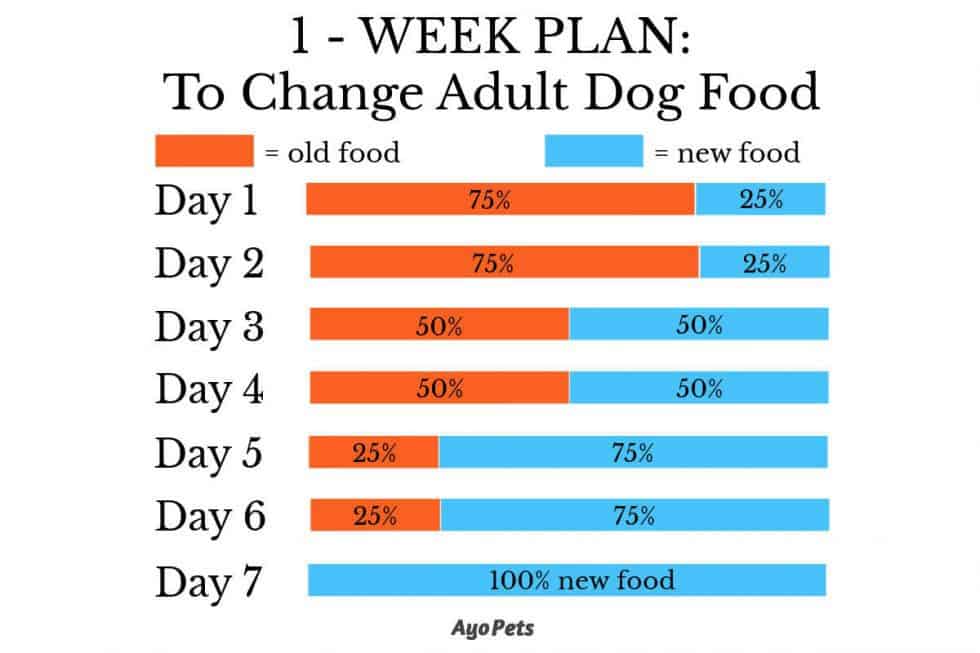
Changing Dog Food Chart
:strip_icc()/Puppy-food-feeding-schedule-2804779-V4-d4ac3bd2b6764f9ebad94f3707561d70.png)
Setting up a Puppy Feeding Schedule
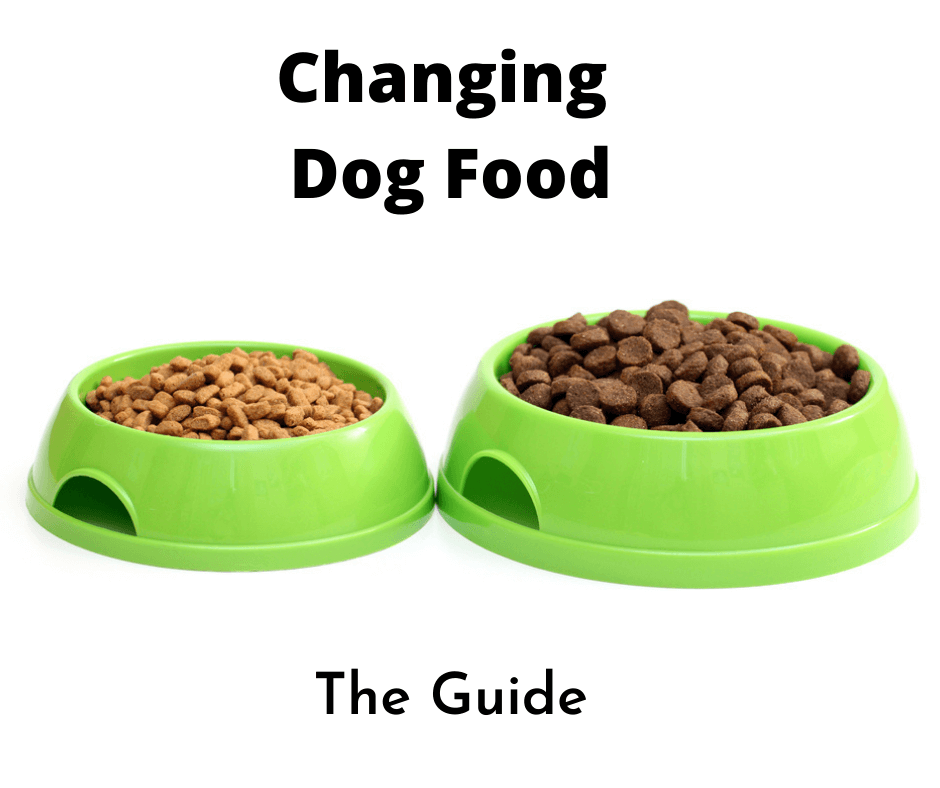
How To Transition To New Dog Food & Avoid Upset Stomach Symptoms
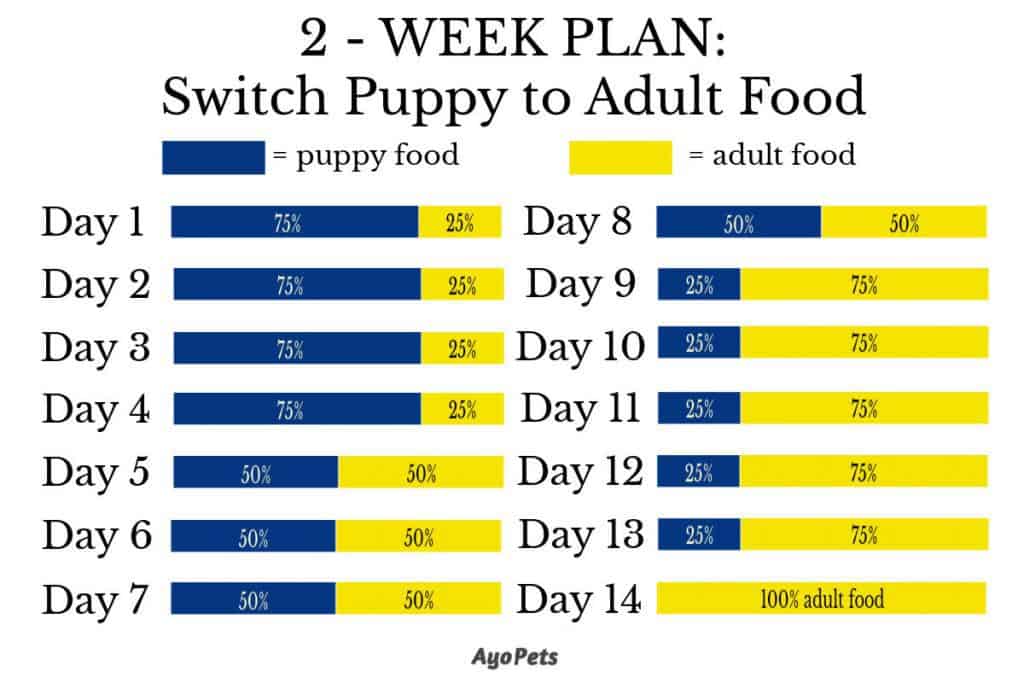
How to Switch a Puppy to Dog Food Easy 1Week Plan To Follow Ayo Pets

Revamp Your Pooch's Diet with the Ultimate Transition Dog Food Chart

Changing Dog Food Chart
How to Transition Your Dog or Cat to a New Food Petco
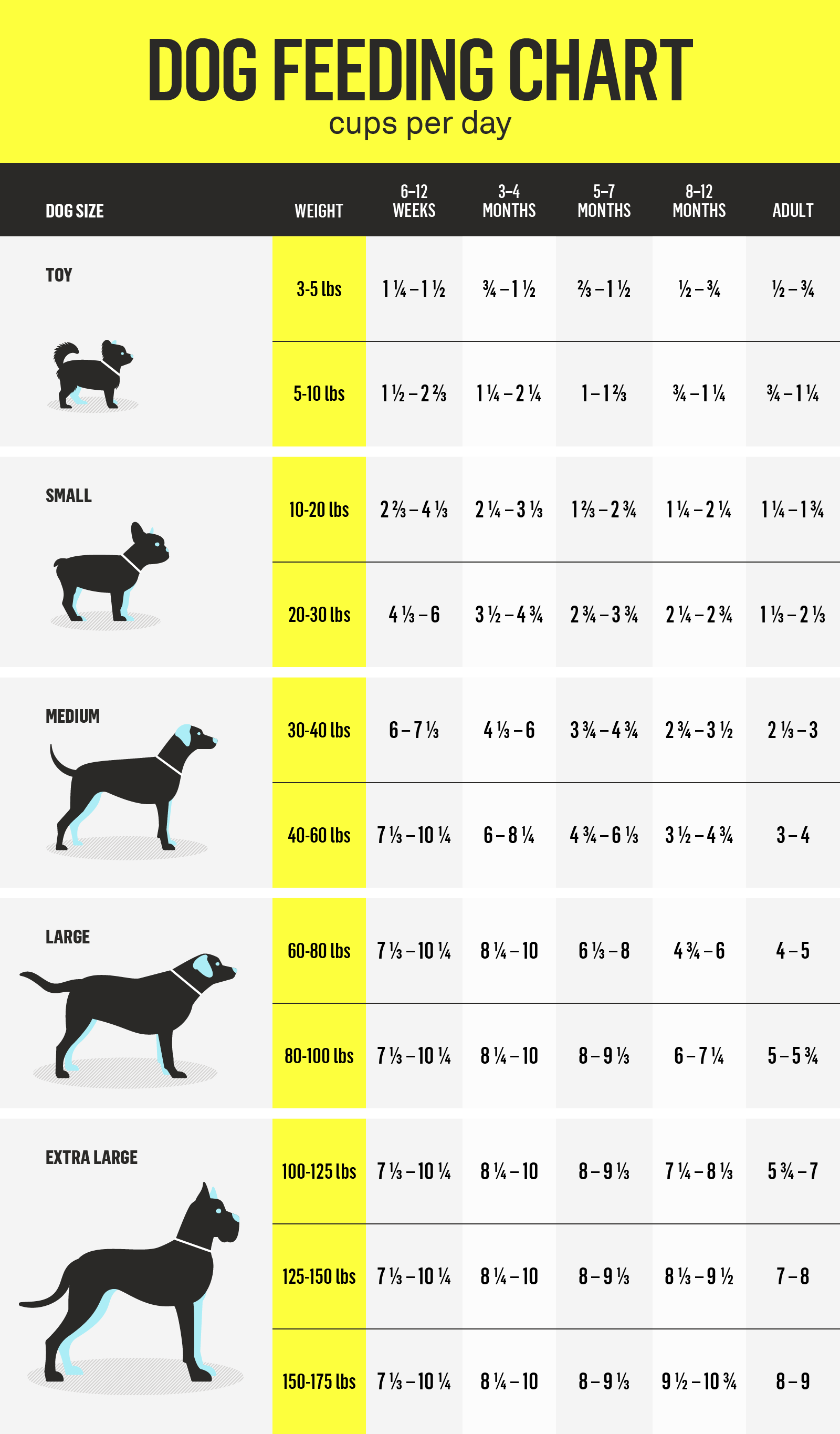
Printable Dog Feeding Chart
.png)
Switching Your Dog's Dog Food Diet WCF Pet & Equestrian
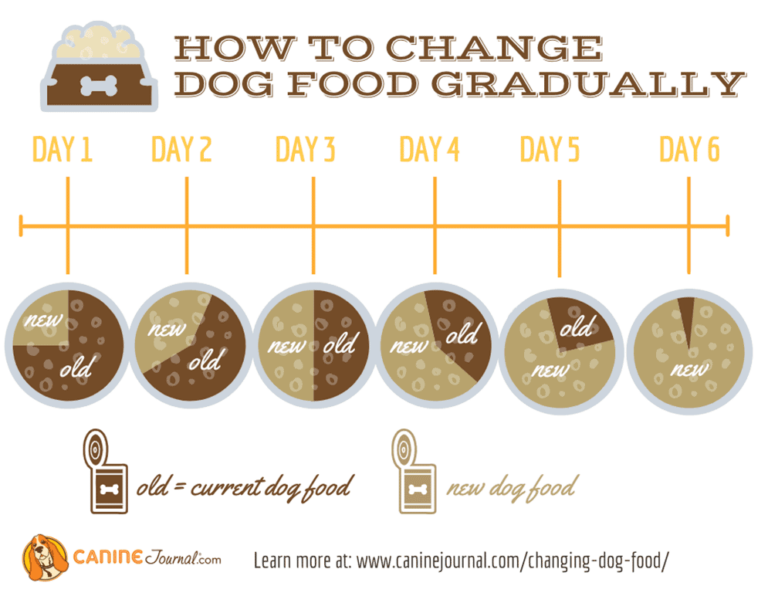
How To Change Your Dog’s Food Safely
70% Old Food, 30% New Food.
Web When To Switch To Adult Dog Food.
Web What Happens When Our Gold Mines Run Dry?
Start By Mixing About 25 Percent Of The New Food With 75 Percent Of The Old Food.
Related Post: