
Color Chart For Oil Painting
Color Chart For Oil Painting - Cool colours can be thought of as icy blues, minty greens, lemony yellows. Web mixing oil paint colors, paul foxton references full munsell color chart on the top of the palette here you can see the tube colours i’ve chosen as my starting point: Artists deserve to be able to use color freely, without hesitation or reservation. Each color possesses unique characteristics in terms of texture, undertone, and tinting strength. Web my ever popular color mixing master guide, will help take the uncertainty out of mixing colors. Make sure you write down whatever measurements you use so you can stay consistent for each chart. With over 60 color mixing charts − spend less time struggling with mixing color and more time creating the shades of colors you want for your painting! The late afternoon is usually bathed in warm colours. Using the drawn squares as your guide, apply 1/4″ house painter’s masking tape to mask the edges of the rows and columns. The first column of each chart is the master color’s value scale. Web all the bottom boxes on your chart will be the same value: If you want the most vivid orange, mix a yellow that leans towards red with a red that leans toward yellow. Web 2 charts per canvas board (because the canvas boards i found are rather large). Our colour charts provide important information on the composition, characteristics and permanence of winsor & newton colour ranges. The late afternoon is usually bathed in warm colours. Read the necessary oil paints for beginners guide for more info on what colors you need to start painting. Web create your own oil paint colour chart with this short and sweet video tutorial. You can use it to tell you how a colour will appear on your surface (transparency/opacity), how long it will last (permanence) and what pigments it is made from (chemical description. Warm colour s are tropical blues, fiery reds, and sunny yellows. For example, if you use 6 colors + white (like the warm/cool primary palette mentioned above), you will need to have a grid of 6 squares across and 5 squares down. Each color possesses unique characteristics in terms of texture, undertone, and tinting strength. The late afternoon is usually bathed in warm colours. Warm colour s are tropical blues, fiery reds, and sunny yellows. In pigment form, the primaries are magenta, cyan and yellow—these can be mixed to make almost any other colour. Use a pencil and ruler to mark the. You can use it to tell you how a colour will appear on your surface (transparency/opacity), how long it will last (permanence) and what pigments it is made from (chemical description. Web at gamblin, we are forging together the right balance of pigment, oil, history, science and emotion. Warm colour s are tropical blues, fiery reds, and sunny yellows. High. If you are unsure, gambin, a top. For landscape painters, the early morning is usually full of cool colours. Web my ever popular color mixing master guide, will help take the uncertainty out of mixing colors. Warm colour s are tropical blues, fiery reds, and sunny yellows. Web the same rules apply here as they did for mixing green: In pigment form, the primaries are magenta, cyan and yellow—these can be mixed to make almost any other colour. The color charts shown are a version of the richard schmid color charts featured. Web the same rules apply here as they did for mixing green: If you want the most vivid orange, mix a yellow that leans towards red with. Choose pigments to create hues. With over 60 color mixing charts − spend less time struggling with mixing color and more time creating the shades of colors you want for your painting! The first column of each chart is the master color’s value scale. Use a pencil and ruler to mark the measurements on the canvas board. In pigment form,. The first column of each chart is the master color’s value scale. 19th century colors of the impressionists and the colors of classical and renaissance era painters. If you want the most vivid orange, mix a yellow that leans towards red with a red that leans toward yellow. Download the lesson pdf here: Each color possesses unique characteristics in terms. To create the widest range of hues with the fewest colours, you will need six different pigments. Web made with the highest grade pigment, refined linseed (flax) oil and safflower oil, gamblin artist’s oil colors have strong pigmentation and luscious working properties. Web colour temperature is just a perception. Web on a your panel, draw a grid of 1 inch. Choose pigments to create hues. In pigment form, the primaries are magenta, cyan and yellow—these can be mixed to make almost any other colour. Web the same rules apply here as they did for mixing green: Cool colours can be thought of as icy blues, minty greens, lemony yellows. High pigment load, low oil absorption. For landscape painters, the early morning is usually full of cool colours. All twenty of us are dedicated to getting that balance right. Each color possesses unique characteristics in terms of texture, undertone, and tinting strength. In pigment form, the primaries are magenta, cyan and yellow—these can be mixed to make almost any other colour. Our colour charts provide important. In pigment form, the primaries are magenta, cyan and yellow—these can be mixed to make almost any other colour. Download the lesson pdf here: You can use it to tell you how a colour will appear on your surface (transparency/opacity), how long it will last (permanence) and what pigments it is made from (chemical description. For landscape painters, the early. You will be working one column at a time, taking five value steps with each color. White, sap green (a dark olive green) and cadmium yellow, a high chroma middle yellow. Web my ever popular color mixing master guide, will help take the uncertainty out of mixing colors. Warm colour s are tropical blues, fiery reds, and sunny yellows. If you want the most vivid orange, mix a yellow that leans towards red with a red that leans toward yellow. Download the lesson pdf here: The table below provides all the important information about the composition, characteristics and permanence of the artists' oil colour range. Web on a your panel, draw a grid of 1 inch squares with 1/4 inch space between them. The value of the other squares will be determined by the value of your master color. We also believe in giving artists more and asking for less. In pigment form, the primaries are magenta, cyan and yellow—these can be mixed to make almost any other colour. All twenty of us are dedicated to getting that balance right. Web create your own oil paint colour chart with this short and sweet video tutorial. 19th century colors of the impressionists and the colors of classical and renaissance era painters. These six colours are the primary colours and a warm or cool version of each. The first column of each chart is the master color’s value scale.
Oil Paint Color Mixing Chart

Color Chart Oil Paint The Expert

painting color mixing chart oil paint color mixing chart pdf the

Color Chart For Mixing Paint An Essential Guide Paint Colors

Color Chart For Oil Painting

Color Chart Oil Paint The Expert

Color Chart Oil Paint The Expert
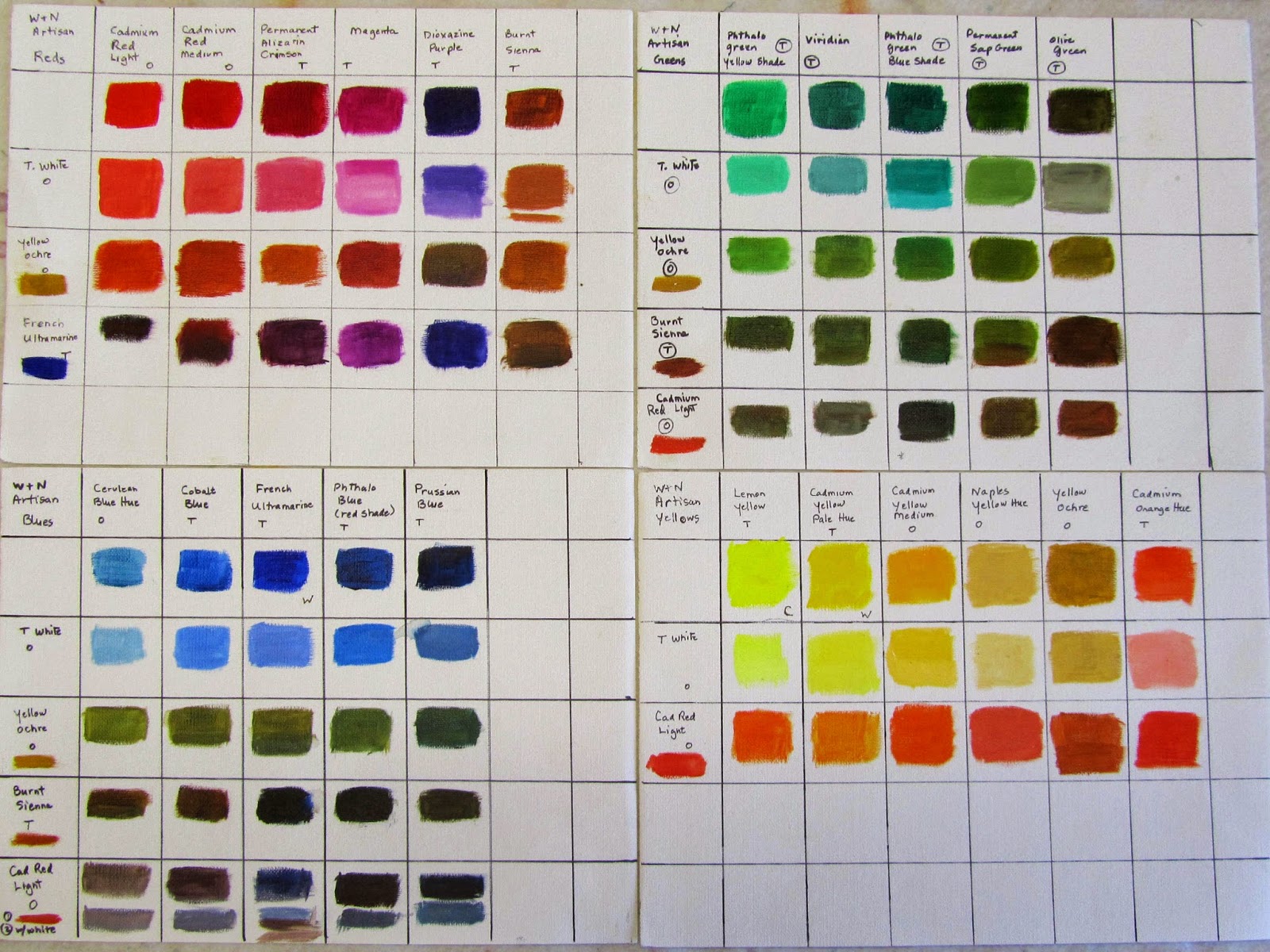
Friends of Art Manchester Color Charts for Painters

Color Chart For Oil Painting

Colorful oil painting, Paint color chart, Color mixing chart
Our Colour Charts Provide Important Information On The Composition, Characteristics And Permanence Of Winsor & Newton Colour Ranges.
Read The Necessary Oil Paints For Beginners Guide For More Info On What Colors You Need To Start Painting.
Web At Gamblin, We Are Forging Together The Right Balance Of Pigment, Oil, History, Science And Emotion.
Web All Colors Made From Metals (Cadmium, Cobalt, Iron, Etc.) Are “Inorganic”.
Related Post: