
Cord Blood Gas Interpretation Chart
Cord Blood Gas Interpretation Chart - Antepartum, by percutaneous umbilical cord blood sampling. Web blood gas and lactate analysis in the umbilical cord or in the newborn circulation during the first minutes of life is currently the only way of quantifying objectively the occurrence of hypoxia/acidosis just prior to birth. Web cord blood gas analysis is an objective measure of the fetal metabolic condition at the time of delivery. Web cord blood gas analysis involves the assessment of oxygen, carbon dioxide, and ph levels in the blood from the umbilical cord. Web cord gas analysis often will aid in justifying your management or provide insight into the infant’s status. The information can be useful from. This is important because umbilical cord blood gas analysis may assist with clinical management and will exclude the diagnosis of birth asphyxia in about 80% of depressed newborns. Umbilical cord bd values change in relation to labor and fhr decelerations. Respiratory disease hypoventilation, seizure, trauma smoking. The amount of dissolved oxygen in the blood. Web what affects umbilical cord blood gases values. Web a normal uneventful first stage of labor leads to a base deficit of 3 mm/l, which further drops at a rate of 1 mm/l per hour during the. Web the mountaineer and the fetus share the experience of low blood o 2 content, which at overstrain may result in severe tissue hypoxia, acidosis, and death. Lac and base excess (be)/base deficit (bd) values can. The lowest ever recorded arterial partial o 2 pressure (po 2) in a human adult is 19.1 mm hg (2.55 kpa), recorded at an altitude of 8400 m while climbing mount everest (summit,. Fetal normal = > 7.10. Web cord blood gas analysis is an objective measure of the fetal metabolic condition at the time of delivery. Respiratory disease hypoventilation, seizure, trauma smoking. Web abnormal cord blood gases were defined as a ph ≤7.0 or bd ≥10 and based in part on screening criteria established by the california perinatal quality care collaborative. Web cord blood gas analysis involves the assessment of oxygen, carbon dioxide, and ph levels in the blood from the umbilical cord. Web cord blood gas analysis involves the assessment of oxygen, carbon dioxide, and ph levels in the blood from the umbilical cord. Ph and bd of umbilical cord arterial blood are measured immediately after birth to detect hypoxia and metabolic acidosis. As an isolated finding, it poorly predicts the risk of. Lac and base excess (be)/base deficit (bd) values can.. Intrapartum, by fetal scalp blood sampling. Web the core of the book features umbilical cord blood gas interpretation in relation to various fetal/neonatal stresses that are often encountered in the clinical setting. Web cord gas analysis often will aid in justifying your management or provide insight into the infant’s status. The amount of dissolved oxygen in the blood. This is. Web the mountaineer and the fetus share the experience of low blood o 2 content, which at overstrain may result in severe tissue hypoxia, acidosis, and death. Cord blood gas analysis has been shown to be more reliable than the apgar scoring system. The information can be useful from. Web the core of the book features umbilical cord blood gas. Arterial cord blood reflects the baby’s condition, whereas venous cord blood reflects the placental. Web a normal uneventful first stage of labor leads to a base deficit of 3 mm/l, which further drops at a rate of 1 mm/l per hour during the. As an isolated finding, it poorly predicts the risk of. Web what affects umbilical cord blood gases. Web pco 2 values are higher in the umbilical artery than in the vein; Assuming a variable cost of $15 for 2 (artery and vein) blood gas samples per neonate, 4 the annual cost in the united states would be approximately $60 million. Lac and base excess (be)/base deficit (bd) values can. Antepartum, by percutaneous umbilical cord blood sampling. Web. Pathological acidosis reflects significant fetal distress due to hypoxic stress. The information can be useful from. Respiratory disease hypoventilation, seizure, trauma smoking. Normal umbilical gas values >20mmhg. Web abnormal cord blood gases were defined as a ph ≤7.0 or bd ≥10 and based in part on screening criteria established by the california perinatal quality care collaborative. The diagnosis of intrapartum asphyxia mandates the presence of severe cord blood acidemia, and normal values refute this diagnosis. Immediately after birth, by umbilical cord blood sampling. Web the core of the book features umbilical cord blood gas interpretation in relation to various fetal/neonatal stresses that are often encountered in the clinical setting. Web increasing h+, decreasing ph. Web what. 8 prior to labor, the normal fetus has a slight degree of acidosis (bd, 2 mmol/l). There are maternal, uteroplacental, and fetal factors which can have an impact on umbilical cord blood gases. This article reviews the issues. Web the core of the book features umbilical cord blood gas interpretation in relation to various fetal/neonatal stresses that are often encountered. Web the core of the book features umbilical cord blood gas interpretation in relation to various fetal/neonatal stresses that are often encountered in the clinical setting. Web cord blood gas analysis is an objective measure of the fetal metabolic condition at the time of delivery. Respiratory disease hypoventilation, seizure, trauma smoking. 8 prior to labor, the normal fetus has a. Web cord blood gas analysis involves the assessment of oxygen, carbon dioxide, and ph levels in the blood from the umbilical cord. However, from this moment onwards the umbilical cord blood, if it remains in continuity with placenta, will demonstrate progressive. Web a normal uneventful first stage of labor leads to a base deficit of 3 mm/l, which further drops. Assuming a variable cost of $15 for 2 (artery and vein) blood gas samples per neonate, 4 the annual cost in the united states would be approximately $60 million. Web cord blood gas analysis involves the assessment of oxygen, carbon dioxide, and ph levels in the blood from the umbilical cord. Arterial cord blood reflects the baby’s condition, whereas venous cord blood reflects the placental. However, from this moment onwards the umbilical cord blood, if it remains in continuity with placenta, will demonstrate progressive. Acog recommends= <7.0 for severe acidemia. Normal umbilical gas values >20mmhg. Web pco 2 values are higher in the umbilical artery than in the vein; This is important because umbilical cord blood gas analysis may assist with clinical management and will exclude the diagnosis of birth asphyxia in about 80% of depressed newborns. Controversy remains as to the benefit of universal cord gas analysis. Pathological acidosis reflects significant fetal distress due to hypoxic stress. Web cord blood gas analysis is an objective measure of the fetal metabolic condition at the time of delivery. Respiratory disease hypoventilation, seizure, trauma smoking. Web the mountaineer and the fetus share the experience of low blood o 2 content, which at overstrain may result in severe tissue hypoxia, acidosis, and death. Web cord blood gas analysis is an objective measure of the fetal metabolic condition at the time of delivery. Antepartum, by percutaneous umbilical cord blood sampling. Immediately after birth, by umbilical cord blood sampling.
Cord Blood Gas Values / How And When Umbilical Cord Gas Analysis Can
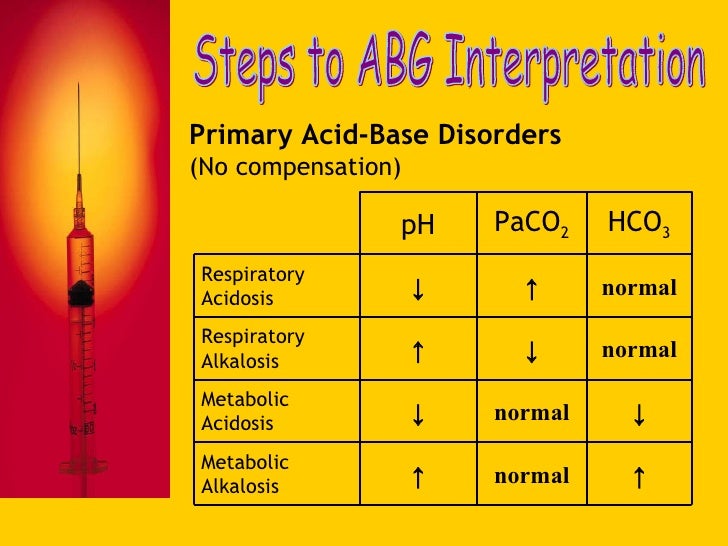
Blood Gas Interpretation

Neonatal Blood Gas Chart
Cord Blood Gas Interpretation Chart A Visual Reference of Charts

Umbilical Cord Neonatal Blood Gas Interpretation Chart
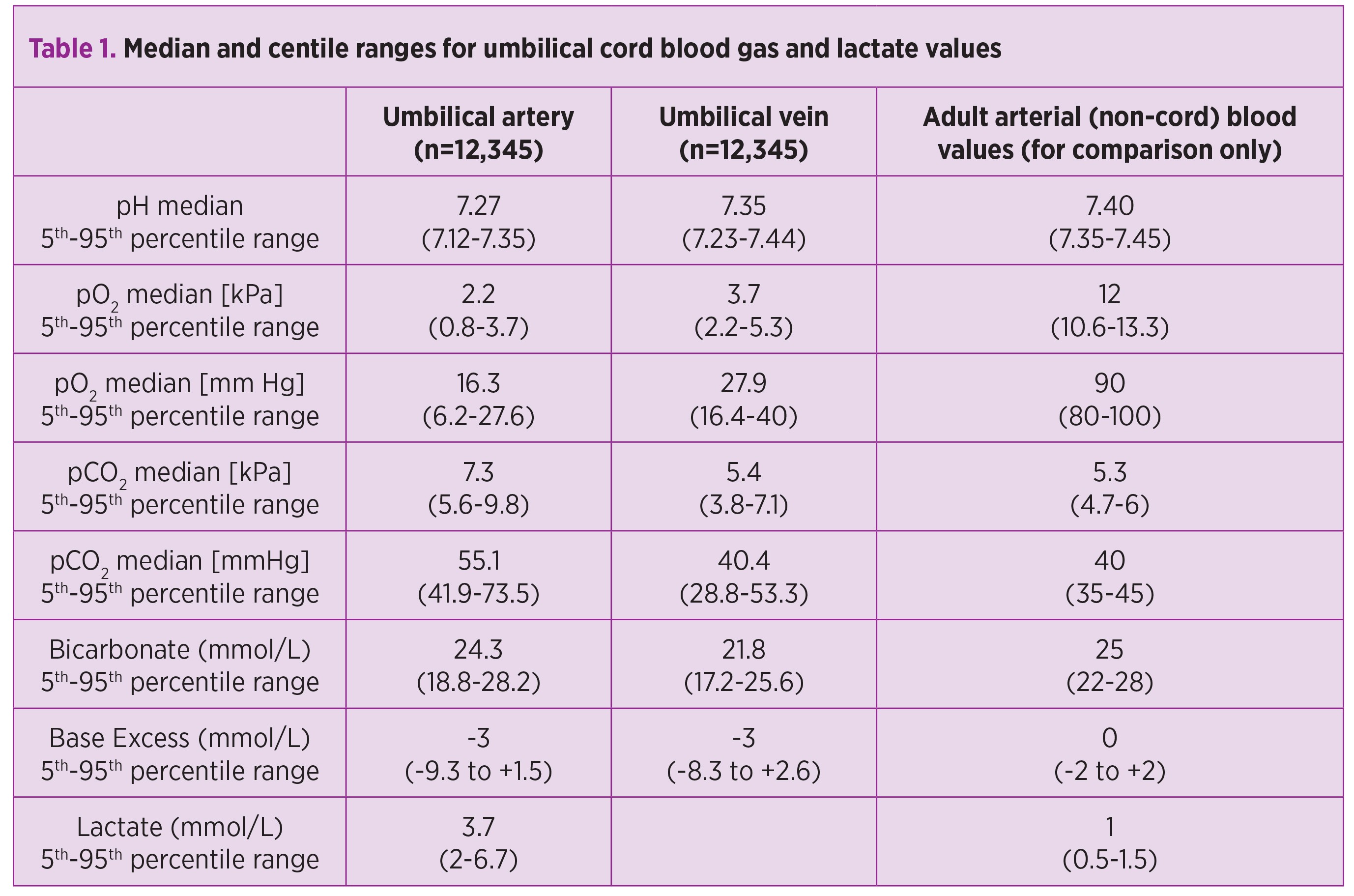
Cord Blood Gas Interpretation Chart A Visual Reference of Charts

Cord Blood Gas Interpretation Chart

Neonatal Cord Gas Interpretation Chart
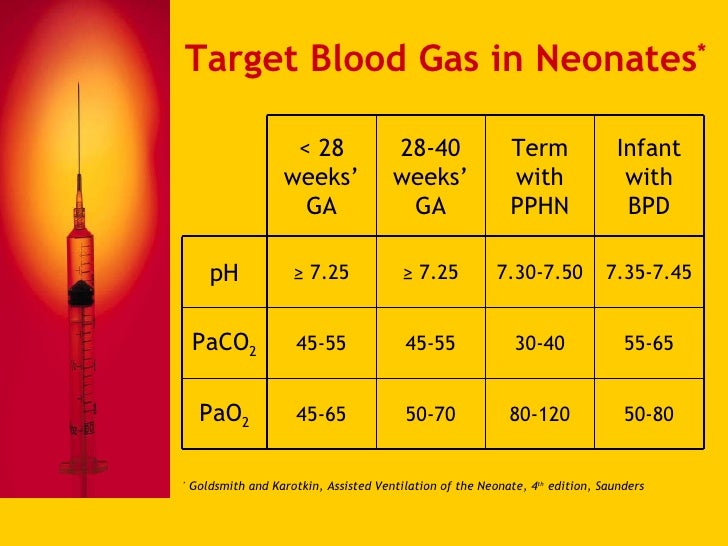
Arterial Blood Gas Interpretation Chart

The Comparison of Umbilical Cord Blood Gas Values Between the Case and
The Diagnosis Of Intrapartum Asphyxia Mandates The Presence Of Severe Cord Blood Acidemia, And Normal Values Refute This Diagnosis.
8 Prior To Labor, The Normal Fetus Has A Slight Degree Of Acidosis (Bd, 2 Mmol/L).
Web Cord Gas Analysis Often Will Aid In Justifying Your Management Or Provide Insight Into The Infant’s Status.
Fetal Normal = > 7.10.
Related Post: