
Deer Blood Chart
Deer Blood Chart - Bright red or pinkish blood with little air bubbles in it will indicate a lung shot. There are many different features of a blood trail and if you know the correct way to read these trails you will learn how to use any blood trail to find a wounded deer. Web the blood from a heart shot deer should be a bright red and thick. Web blood trailing is a skill that's particularly important to bowhunters whose targeted animals can cover a fair amount of ground after being hit. Look for blood and sign on the arrow or around the area. Dark red blood indicates a liver shot. Bright red or pink blood has lots of oxygen, indicating an artery or lung shot. This will increase your knowledge of blood trailing deer. It is most probably a lung. Web the following whitetail blood tracking guide was the result of decades of making both good and bad decisions in the deer woods. Brown tinted blood indicates a stomach shot. You have plenty of time to pursue them. For a bowhunter to easily recover a wounded deer, the blood loss must be extensive. Web if you shot your deer with a bow, finding the arrow can tell a big piece of the story. Depending on which organ your arrow or bullet penetrates, the blood color, consistency, and pattern will be different. The blood should spray out a nice pattern which is normally easy to follow. There are many different features of a blood trail and if you know the correct way to read these trails you will learn how to use any blood trail to find a wounded deer. But in the meantime, check out these 20 tips that we've compiled to boost your chances of finding your deer. Web knowing where you hit the deer, what to look for and how long to wait is all part of avoiding weird blood trails, because taking the wrong step — such as pushing a deer too soon — can turn a typical blood trail that ends with a dead deer into a weird blood trail with a plethora of challenges. Learn helpful tips for blood trailing deer that can help you recover your next trophy. Very bright red blood indicates a muscle shot deer with no organ damage. The blood should spray out a nice pattern which is normally easy to follow. Web the mathematics of deer blood. But blood trails provide more than just a trail. You have plenty of time to pursue them. A deer will have to lose at least 35 percent of its total blood volume for the hunter to recover it rapidly. Begin tracking in about 4 hours. It means you directly hit the heart. Bright red or pink blood has lots of oxygen, indicating an artery or lung shot. Your arrow should have digestive matter on it with a. Dark red blood indicates a liver shot. Web an arrow covered in bright red blood is a good indication of a lethal lung shot, while brown, smelly blood is usually a deer that is hit in the guts. This is true even if the shot is clean and fatal. Light pinkish blood with air bubbles. Web i locate the place. Web many hunters agree that the real work begins once you release the arrow. Web the blood left on the ground or brush is important, as it can tell much about the wound. Web i locate the place the deer was standing when i shot, and i look for signs of blood, hair or a dislodged arrow. Web blood trailing. Begin tracking in about 8 hours. Web if you shot your deer with a bow, finding the arrow can tell a big piece of the story. Web i locate the place the deer was standing when i shot, and i look for signs of blood, hair or a dislodged arrow. Heart shot deer make blood trailing deer easy in most. Web the blood from a heart shot deer should be a bright red and thick. It is most probably a lung. The blood on the ground can also tell you the same thing, whether you are an archery hunter or a gun hunter. Bright red or pinkish blood with little air bubbles in it will indicate a lung shot. You. Bright red blood can indicate a. Bright red or pinkish blood with little air bubbles in it will indicate a lung shot. Web i locate the place the deer was standing when i shot, and i look for signs of blood, hair or a dislodged arrow. It means you directly hit the heart. Web the blood left on the ground. Very bright red blood indicates a muscle shot deer with no organ damage. Learn helpful tips for blood trailing deer that can help you recover your next trophy. A deer will have to lose at least 35 percent of its total blood volume for the hunter to recover it rapidly. Dark red blood indicates a liver shot. Web the ultimate. Crimson, frothy blood indicates a hit in the lungs and usually a decent blood trail. It is most probably a lung. Web if you shot your deer with a bow, finding the arrow can tell a big piece of the story. Many deer trails i have followed were from shots that hit low in the shoulder or leg, leaving large. Web an arrow covered in bright red blood is a good indication of a lethal lung shot, while brown, smelly blood is usually a deer that is hit in the guts. Dark red blood indicates a liver shot. Web help other people blood trail theirs, too. Begin tracking in about 8 hours. Web looking at the color and consistency of. A very dark red colored blood usually is a result of a liver shot, which is still a lethal hit. Deep red with a pinkish mix. Web many hunters agree that the real work begins once you release the arrow. Bright red blood can indicate a. Light pinkish blood with air bubbles. Web i locate the place the deer was standing when i shot, and i look for signs of blood, hair or a dislodged arrow. Heart shot deer make blood trailing deer easy in most cases. You have plenty of time to pursue them. Web the color of first blood can offer important clues about the result of your shot. Learn helpful tips for blood trailing deer that can help you recover your next trophy. Begin tracking in about 4 hours. Your arrow should have digestive matter on it with a pungent odor. The blood should spray out a nice pattern which is normally easy to follow. Web when hunting you may come across a blood trail from a wounded deer, and may not know how to find where the deer is located. It means you directly hit the heart. A deer will have to lose at least 35 percent of its total blood volume for the hunter to recover it rapidly.
Deer Blood Color Chart

Tracking Deer Blood Color Chart
How to Track a Wounded Deer Using Deer Blood Color Chart? THE HUNTING
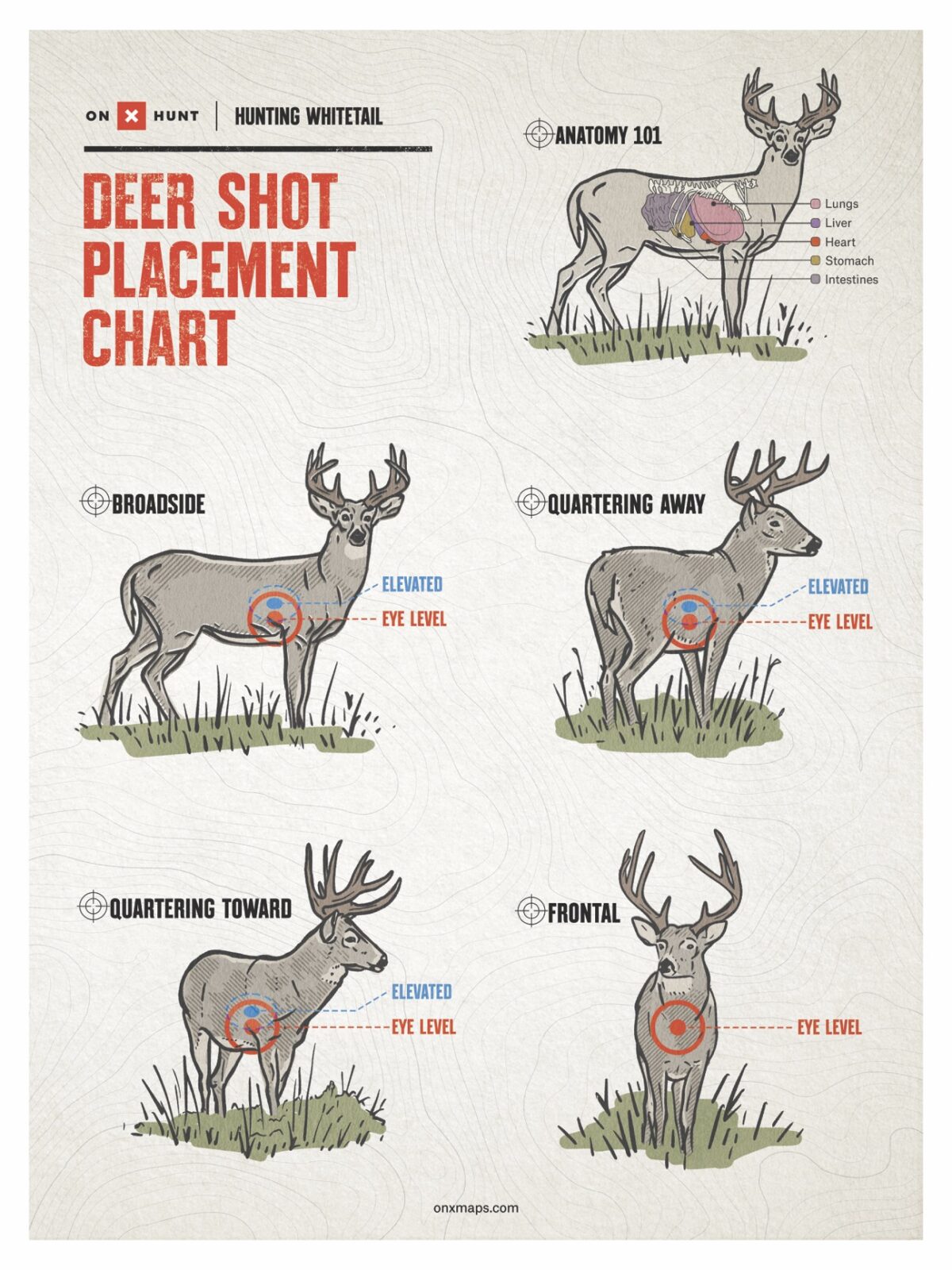
Whitetail Deer Vitals Diagram

Identification Deer Blood Color Chart

Shades Deer Blood Color Chart
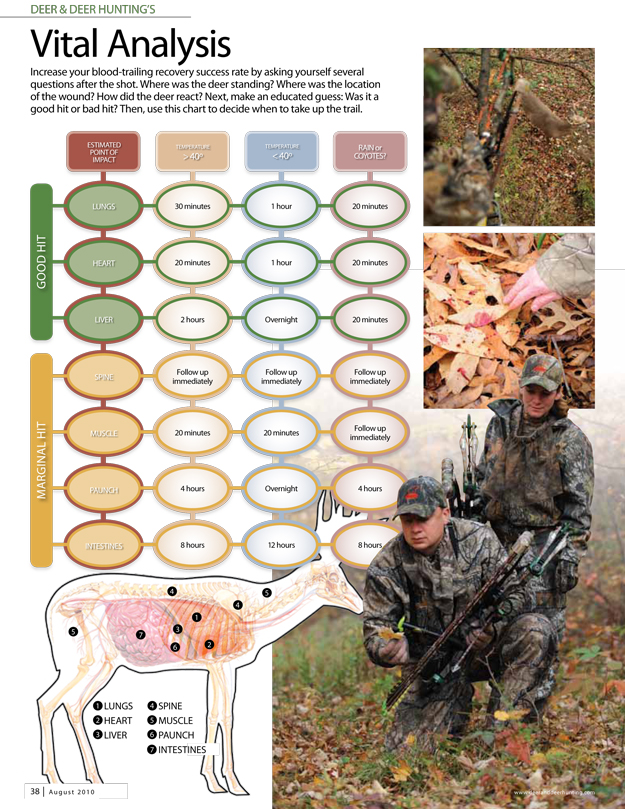
Deer Blood Tracking Chart
/what-color-is-blood-red-1077381_final-e4054eb9dacf45958fc1fa46dfa87e52.png)
Identification Deer Blood Color Chart

Identification Deer Blood Color Chart
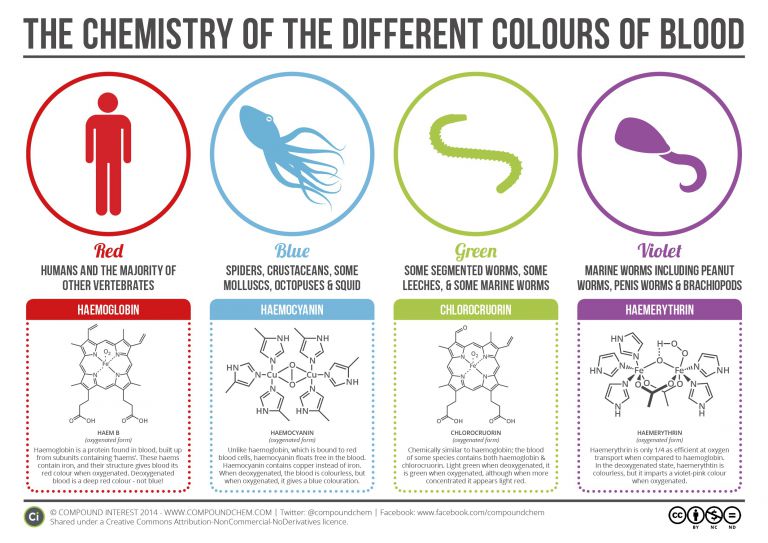
Deer Blood Color Chart
Web Knowing Where You Hit The Deer, What To Look For And How Long To Wait Is All Part Of Avoiding Weird Blood Trails, Because Taking The Wrong Step — Such As Pushing A Deer Too Soon — Can Turn A Typical Blood Trail That Ends With A Dead Deer Into A Weird Blood Trail With A Plethora Of Challenges.
For A Bowhunter To Easily Recover A Wounded Deer, The Blood Loss Must Be Extensive.
Schmidt Explains The Science Behind This Phenomenon In This Episode Of Deer Talk Now.
Web An Arrow Covered In Bright Red Blood Is A Good Indication Of A Lethal Lung Shot, While Brown, Smelly Blood Is Usually A Deer That Is Hit In The Guts.
Related Post: