
Equine Teeth Chart
Equine Teeth Chart - The four teeth adjacent to these two pairs are called intermediates, and the outer four teeth are designated as corners. Web age determination is made by a study of the 12 front teeth, called incisors. Get a horse tooth chart. Additionally, notice the shape of the horse’s incisors at the front of their mouth, since the chewing surface is circular in adult horses and. At ages nine to ten the upper corner incisor appears square in most horses and then progresses to taller than wide as age increases. The horse will start to lose his deciduous teeth as the permanent teeth start to erupt in their place. The difference is due to the fact that the canine teeth, which appear at around 4 to 5 years of age, are often not seen in mares. Equines are both heterodontous and diphyodontous, which means that they have teeth in more than one shape (there are up to five shapes of tooth in a horse's mouth), and have two successive sets of teeth, the deciduous (baby teeth) and permanent sets. Web horse teeth refers to the dentition of equine species, including horses and donkeys. Each type of tooth has certain physical characteristics and specific functions. Outer incisors beginning to wear. Between five and nine years of age this tooth is generally wider than tall. Aging the horse by its teeth is not an exact science, but changes do occur that can help determine approximate age, and anyone can learn the basics. A dental chart allows detailed documentation and assists the practitioner with performing a consistent and methodical exam. “cup” (black cavity) gone from middle of central incisor. Web using a horse teeth age chart can help you understand the major ways age is factored by teeth. With foals a good rule of thumb to remember is that their milk teeth, or deciduous teeth, erupt, or come in, following a simple timetable of 8 days, 8 weeks and 8 months. Equine teeth and aging the age of horses, donkeys, and mules can be estimated by examining the eruption and wear patterns of the teeth. Horses have four types of teeth: Importance of regular dental care for aging horses. Each type of tooth has certain physical characteristics and specific functions. Get a horse tooth chart. Here is how it works. Web telling a horse's age by its teeth is not 100 percent accurate, but it will give you an approximate range if you don't know the horse's actual date of birth. Web horse professionals took great pride in their. Web telling a horse's age by its teeth is not 100 percent accurate, but it will give you an approximate range if you don't know the horse's actual date of birth. At ages nine to ten the upper corner incisor appears square in most horses and then progresses to taller than wide as age increases. Web horses under 5 years. Estimating the age of a horse by examining its teeth is a common practice. For very young horses, eruption dates are useful, but in general, the place to start is examination of the occlusal surface of the lower incisors. Outer incisors beginning to wear. Web foals are born either without teeth or with four central incisors, two on the top. Here is how it works. Web discover the aging horse teeth chart and understand the importance of dental care for aging horses. Your horse also has a number of different types of teeth. Outer incisors beginning to wear. If the central incisors are not present at birth, they usually erupt within 8 days. Web the chart below uses the triadan dental numbering system and shows the approximate ages of different teeth eruption. Web horse professionals took great pride in their ability to determine age by examining the teeth of any horse. Web using a horse teeth age chart can help you understand the major ways age is factored by teeth. With foals a. Get a horse tooth chart. > aging horses by their teeth. Age (years) distinguishing dental wear pattern. Web the chart below uses the triadan dental numbering system and shows the approximate ages of different teeth eruption. Web age determination is made by a study of the 12 front teeth, called incisors. Web estimation of age of adult horses by examination of teeth. Get a horse tooth chart. Web horse professionals took great pride in their ability to determine age by examining the teeth of any horse. Incisors grasp and cut food. Your horse also has a number of different types of teeth. With foals a good rule of thumb to remember is that their milk teeth, or deciduous teeth, erupt, or come in, following a simple timetable of 8 days, 8 weeks and 8 months. For very young horses, eruption dates are useful, but in general, the place to start is examination of the occlusal surface of the lower incisors. Web discover. Web equine dental charts are an important component of adequate legally required record keeping. Get a horse tooth chart. The horse will start to lose his deciduous teeth as the permanent teeth start to erupt in their place. The difference is due to the fact that the canine teeth, which appear at around 4 to 5 years of age, are. Get a horse tooth chart. Mature stallions have 40 to 44 teeth, while mature mares have 36 to 40 teeth. We have only scratched the surface for what is to come in equine dentistry. The opportunity to be part of the dentistry and oral surgery service at uc davis is bringing forth many new ways to approach pathological conditions in. The four teeth adjacent to these two pairs are called intermediates, and the outer four teeth are designated as corners. Your horse also has a number of different types of teeth. The opportunity to be part of the dentistry and oral surgery service at uc davis is bringing forth many new ways to approach pathological conditions in the horse’s mouth. With foals a good rule of thumb to remember is that their milk teeth, or deciduous teeth, erupt, or come in, following a simple timetable of 8 days, 8 weeks and 8 months. You can use it to detect potential abnormalities with your foal teething. With foals a good rule of thumb to remember is that their milk teeth, or deciduous teeth, erupt, or come in, following a simple timetable of 8 days, 8 weeks and 8 months. The difference is due to the fact that the canine teeth, which appear at around 4 to 5 years of age, are often not seen in mares. Aging the horse by its teeth is not an exact science, but changes do occur that can help determine approximate age, and anyone can learn the basics. Web using a horse teeth age chart can help you understand the major ways age is factored by teeth. Web age determination is made by a study of the 12 front teeth, called incisors. Equine teeth and aging the age of horses, donkeys, and mules can be estimated by examining the eruption and wear patterns of the teeth. The two central pairs both above and below are called centers, pincers, or nippers. Though it is not an exact science, it can generally allow you to figure out a horse’s age give or take a couple of years. Web horses under 5 years of age go through some very typical dental changes. Web see how horse teeth grow as a horse ages. Web uc davis to perform modern equine dentistry.
Diagrammatic representation of equine cheek teeth and their pulp
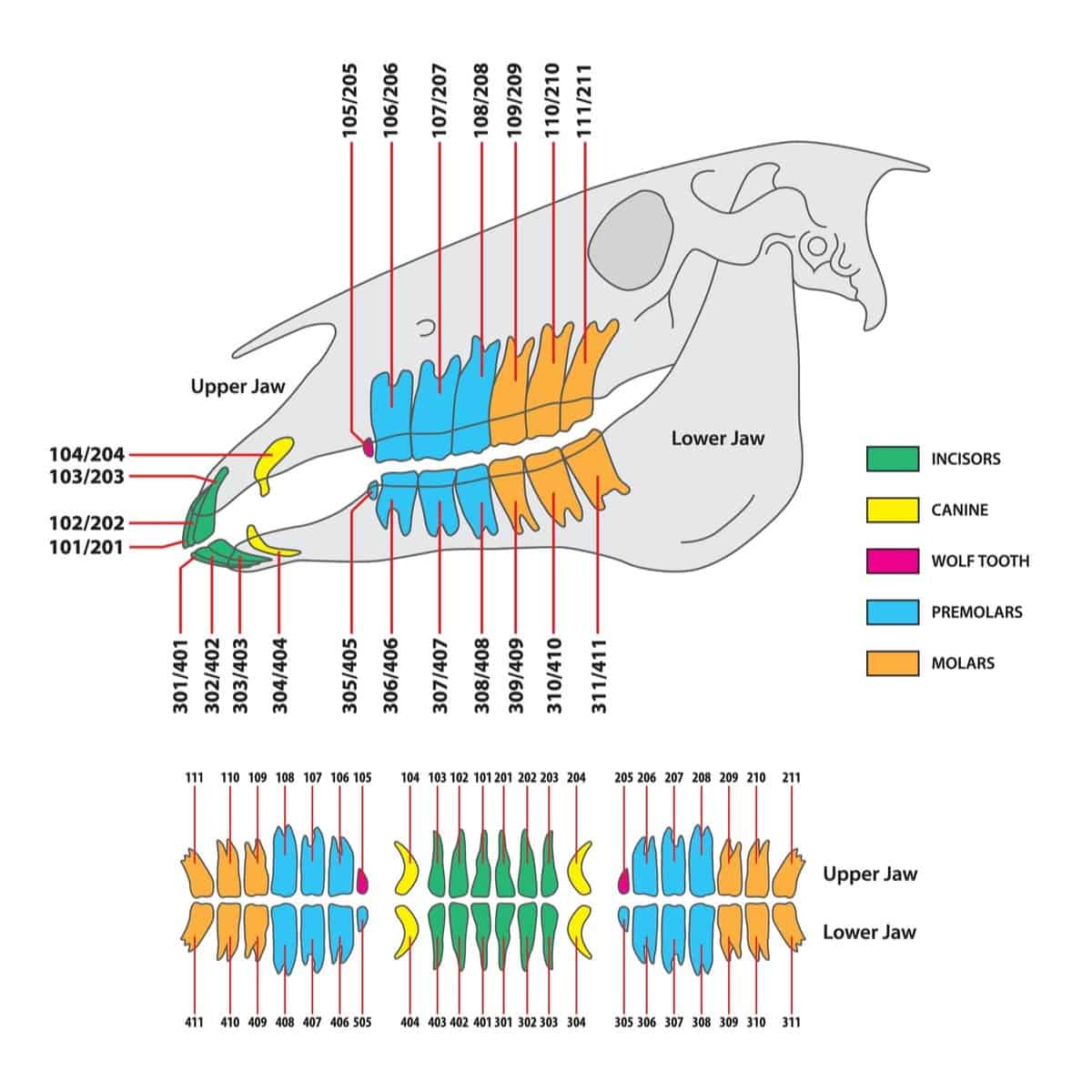
Horse Teeth Everything You Need To Know AZ Animals
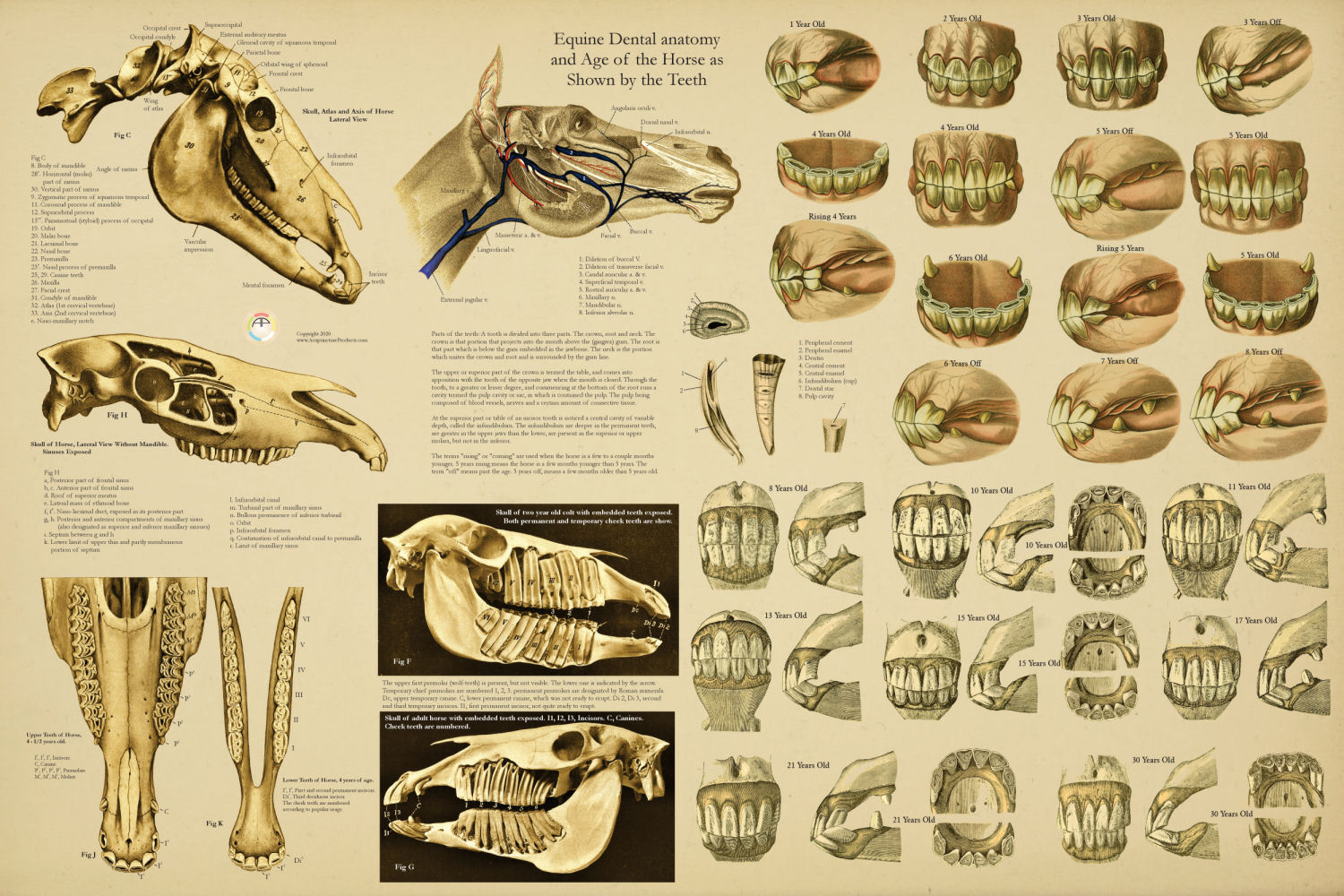
Equine Dental Anatomy Age of Horse by Teeth Chart
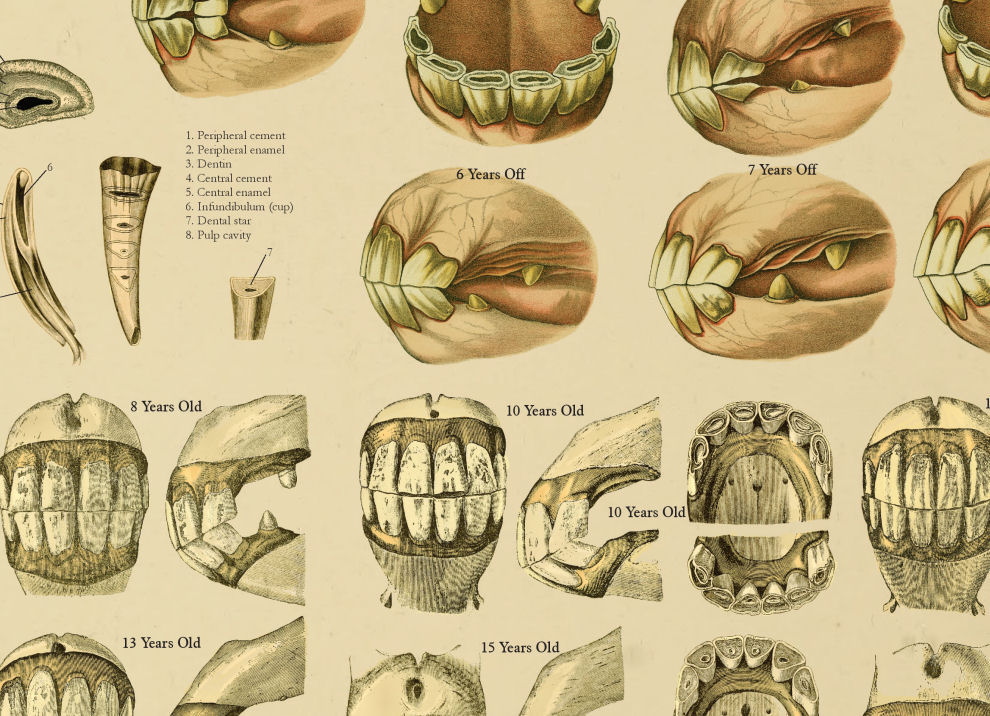
Equine Dental Anatomy Age of Horse by Teeth Chart
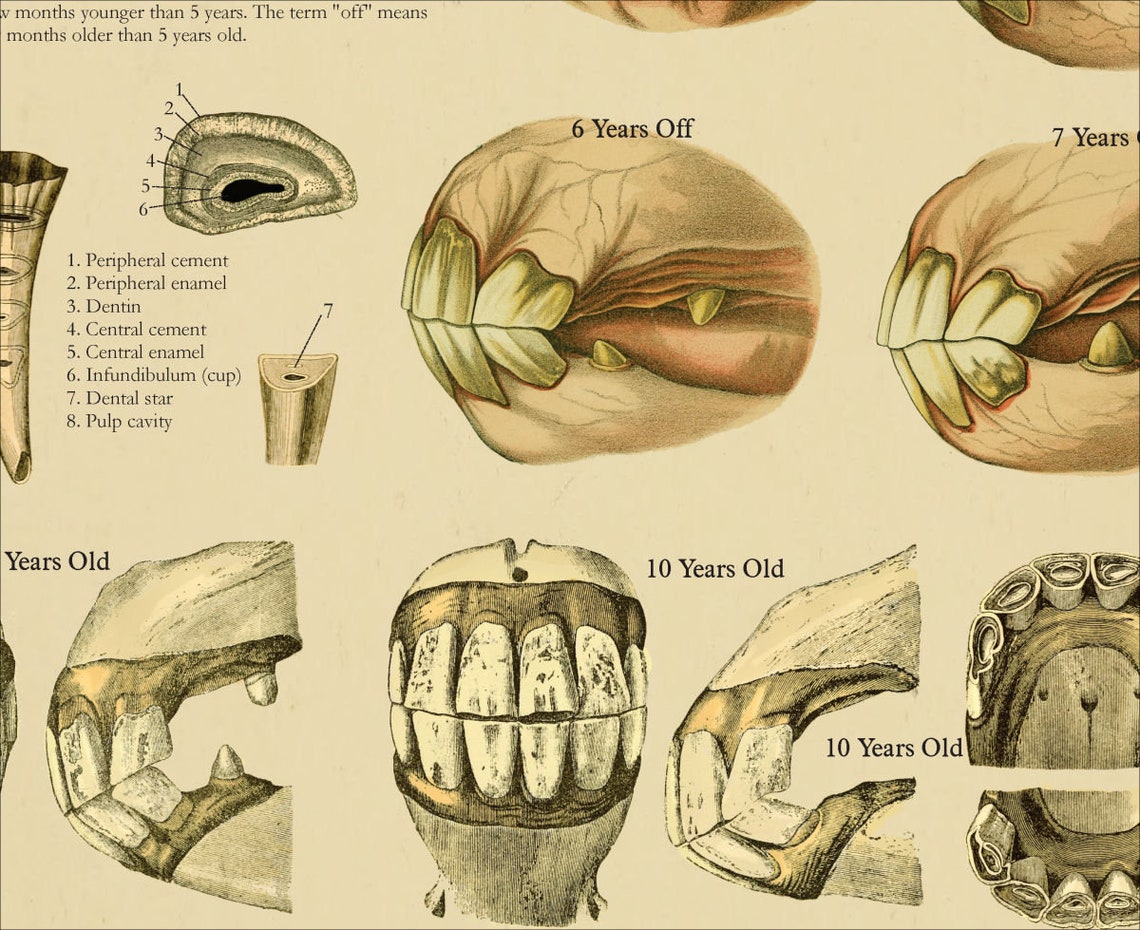
Horse Teeth Aging Chart
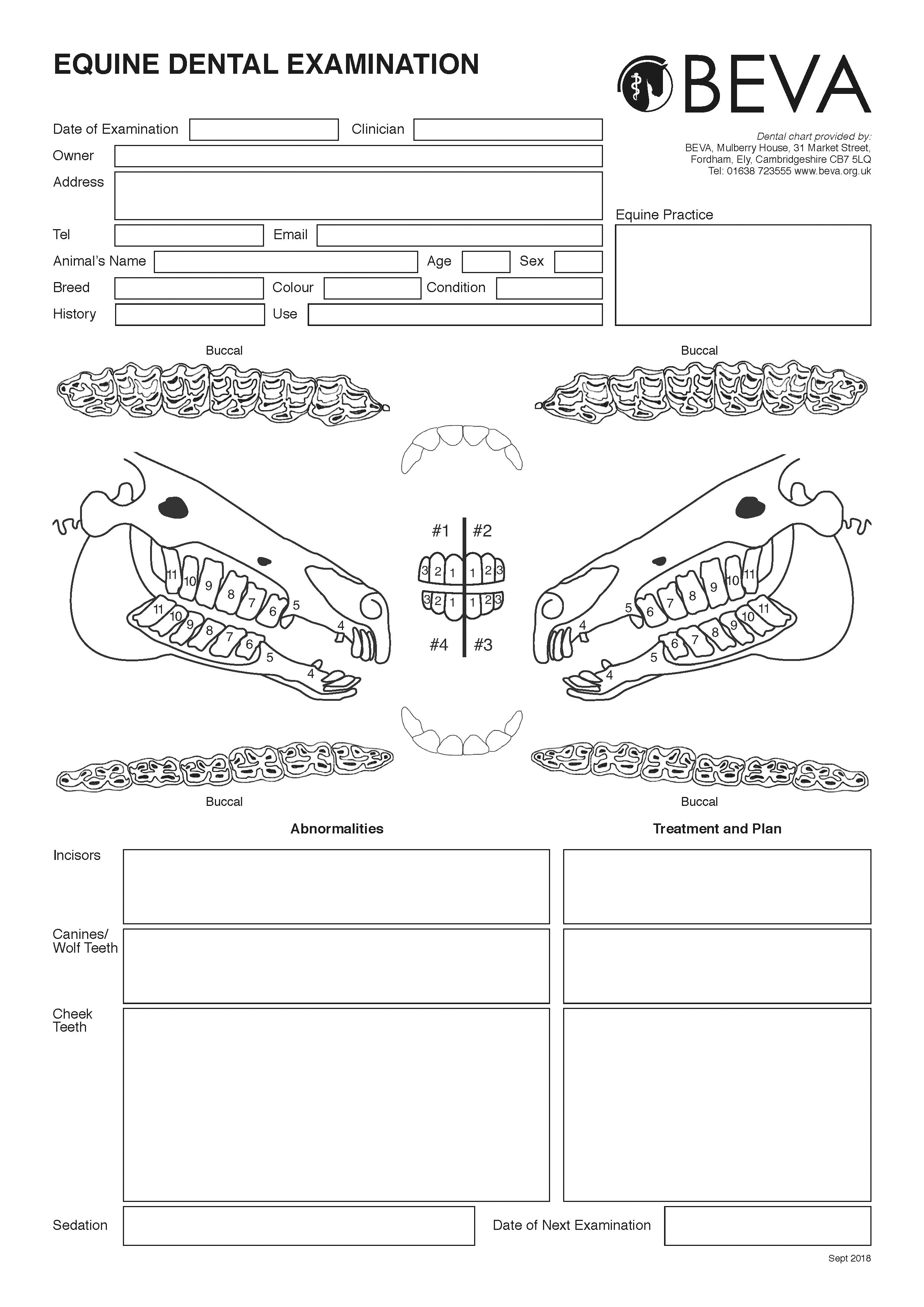
Equine Dental Numbering Chart
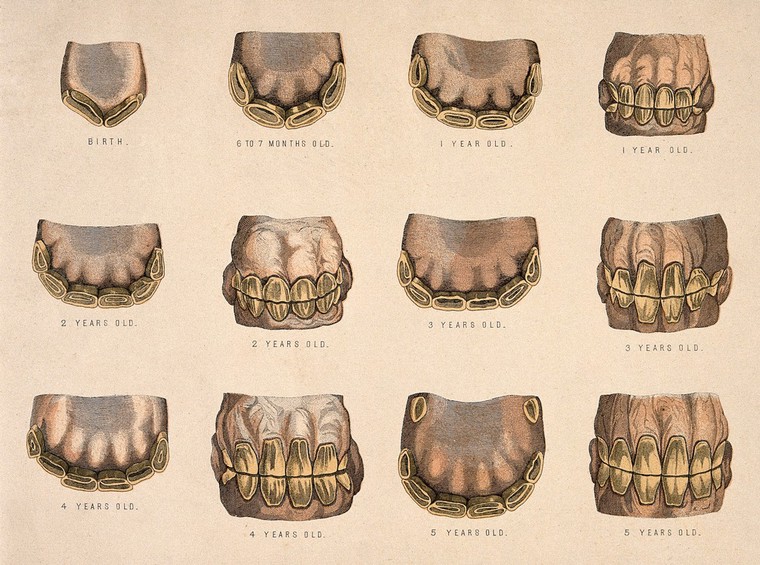
Horse's teeth showing development from six years old to extreme old
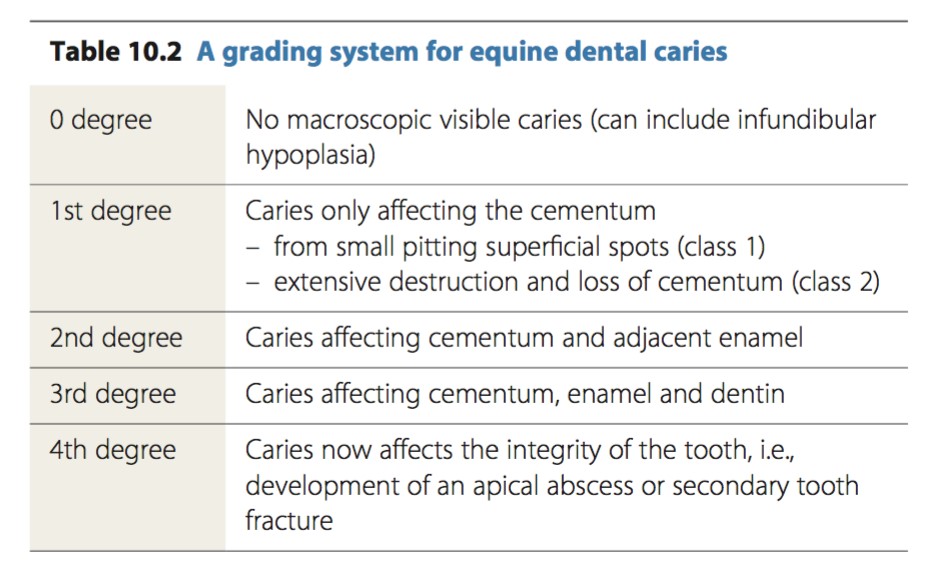
Equine Dental Chart Labb by AG
![Horse Teeth Anatomy and Function [Pictures & Animations]](https://www.horsesandus.com/wp-content/uploads/2020/10/horse_teeth_anatomy_incsiors.jpg)
Horse Teeth Anatomy and Function [Pictures & Animations]
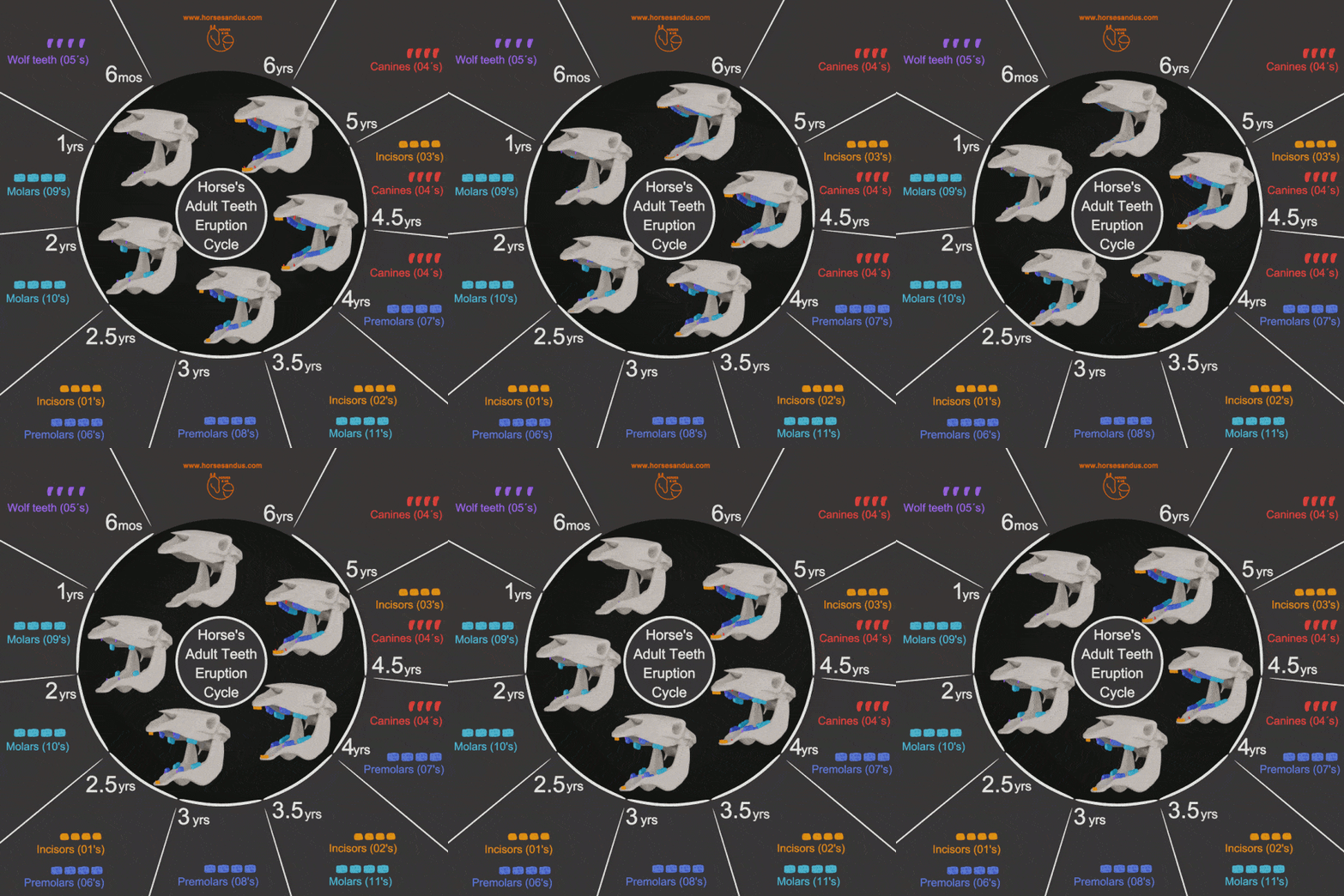
How to tell a horse's age by its teeth Ultimate Guide
Each Type Of Tooth Has Certain Physical Characteristics And Specific Functions.
To Use As A Reference Guide, Figures 1 And 2 Indicate The Names Of The Teeth.
Importance Of Regular Dental Care For Aging Horses.
Incisors, Canines, Premolars, And Molars.
Related Post: