
Fibroscan Cap Score Chart
Fibroscan Cap Score Chart - The table below shows ranges of cap scores and the matching steatosis grade and amount of liver with fatty change. Web interpretation is based in studies of cap results paired with liver biopsy samples. It ranges from 100 to 400 db/m. A cap score is measured in decibels per meter (db/m) and ranges from 100 to 400 db/m. It shows how much of your liver is affected by fat buildup. Cap validity is lower if the iqr of cap is ≥ 40 db/m (auroc 0.77 vs 0.9 if < 40) A cap score of more than 5 and up to 11 percent indicates mild fatty liver disease, a score of 33 to 66 percent indicates moderate disease, and a score of more than 66 percent is severe. Web fibroscan interpretation sheet.pdf — pdf document, 777 kb (796608 bytes) division of gastroenterology, hepatology & nutrition. Web your doctor will use your cap score to grade how much fatty change has happened in the liver. 550 south jackson street 3rd floor, ste. The table below shows ranges of cap scores and the matching steatosis grade and amount of liver with fatty change. Web your cap score and steatosis grade can go up or down over time. Web fibroscan interpretation sheet.pdf — pdf document, 777 kb (796608 bytes) division of gastroenterology, hepatology & nutrition. Score indicates the diagram below show what fibroscan® scores mean. A score below 238 db/m means the amount of fatty change in your liver is not higher than normal. A cap score of more than 5 and up to 11 percent indicates mild fatty liver disease, a score of 33 to 66 percent indicates moderate disease, and a score of more than 66 percent is severe. Web the following table shows ranges of cap scores, and the matching steatosis grades. Scores from the fibroscan will be in kilopascals (kpa), ranging from 2. The following table shows ranges of cap scores, and the matching steatosis grades. A cap score is measured in decibels per meter (db/m) and ranges from 100 to 400 db/m. Web fibroscan interpretation sheet.pdf — pdf document, 777 kb (796608 bytes) division of gastroenterology, hepatology & nutrition. Scores from the fibroscan will be in kilopascals (kpa), ranging from 2. Normal livers can have up to 5% of fatty changes in them. It shows how much of your liver is affected by fat buildup. Web the following table shows ranges of. Web your cap score and steatosis grade can go up or down over time. A cap score of more than 5 and up to 11 percent indicates mild fatty liver disease, a score of 33 to 66 percent indicates moderate disease, and a score of more than 66 percent is severe. Web interpretation is based in studies of cap results. Web your doctor will use your cap score to grade how much fatty change has happened in the liver. Web your cap score and steatosis grade can go up or down over time. Web interpretation is based in studies of cap results paired with liver biopsy samples. The following table shows ranges of cap scores, and the matching steatosis grades.. Web the following table shows ranges of cap scores, and the matching steatosis grades. It shows how much of your liver is affected by fat buildup. The table here shows ranges of cap scores, the matching steatosis grade, and the amount of liver with fatty change. A score below 238 db/m means the amount of fatty change in your liver. A cap score of more than 5 and up to 11 percent indicates mild fatty liver disease, a score of 33 to 66 percent indicates moderate disease, and a score of more than 66 percent is severe. Scores from the fibroscan will be in kilopascals (kpa), ranging from 2. Web interpretation is based in studies of cap results paired with. The table below shows ranges of cap scores and the matching steatosis grade and amount of liver with fatty change. It shows how much of your liver is affected by fat buildup. Web the following table shows ranges of cap scores, and the matching steatosis grades. Web interpretation is based in studies of cap results paired with liver biopsy samples.. It ranges from 100 to 400 db/m. Score indicates the diagram below show what fibroscan® scores mean. Web depending on where you get a fibroscan may determine the scoring system used in your diagnosis. Normal livers can have up to 5% of fatty changes in them. A cap score is measured in decibels per meter (db/m) and ranges from 100. Score indicates the diagram below show what fibroscan® scores mean. 550 south jackson street 3rd floor, ste. Web interpretation is based in studies of cap results paired with liver biopsy samples. It ranges from 100 to 400 db/m. Web fibroscan interpretation sheet.pdf — pdf document, 777 kb (796608 bytes) division of gastroenterology, hepatology & nutrition. A score below 238 db/m means the amount of fatty change in your liver is not higher than normal. The table below shows ranges of cap scores and the matching steatosis grade and amount of liver with fatty change. Scores from the fibroscan will be in kilopascals (kpa), ranging from 2. Web interpretation is based in studies of cap results. The table here shows ranges of cap scores, the matching steatosis grade, and the amount of liver with fatty change. Web interpretation is based in studies of cap results paired with liver biopsy samples. It ranges from 100 to 400 db/m. Score indicates the diagram below show what fibroscan® scores mean. Web a cap score is measured in decibels per. It ranges from 100 to 400 db/m. The table here shows ranges of cap scores, the matching steatosis grade, and the amount of liver with fatty change. Scores from the fibroscan will be in kilopascals (kpa), ranging from 2. A cap score of more than 5 and up to 11 percent indicates mild fatty liver disease, a score of 33 to 66 percent indicates moderate disease, and a score of more than 66 percent is severe. Web interpretation is based in studies of cap results paired with liver biopsy samples. It shows how much of your liver is affected by fat buildup. Web depending on where you get a fibroscan may determine the scoring system used in your diagnosis. 550 south jackson street 3rd floor, ste. The table below shows ranges of cap scores and the matching steatosis grade and amount of liver with fatty change. Score indicates the diagram below show what fibroscan® scores mean. Web a cap score is measured in decibels per meter (db/m). It shows how much of your liver is affected by fat buildup. A cap score is measured in decibels per meter (db/m) and ranges from 100 to 400 db/m. Cap validity is lower if the iqr of cap is ≥ 40 db/m (auroc 0.77 vs 0.9 if < 40) The following table shows ranges of cap scores, and the matching steatosis grades. Web fibroscan interpretation sheet.pdf — pdf document, 777 kb (796608 bytes) division of gastroenterology, hepatology & nutrition.Fatty Liver Fibroscan Cap Score Chart

Fibroscan Dr Douglas Samuel
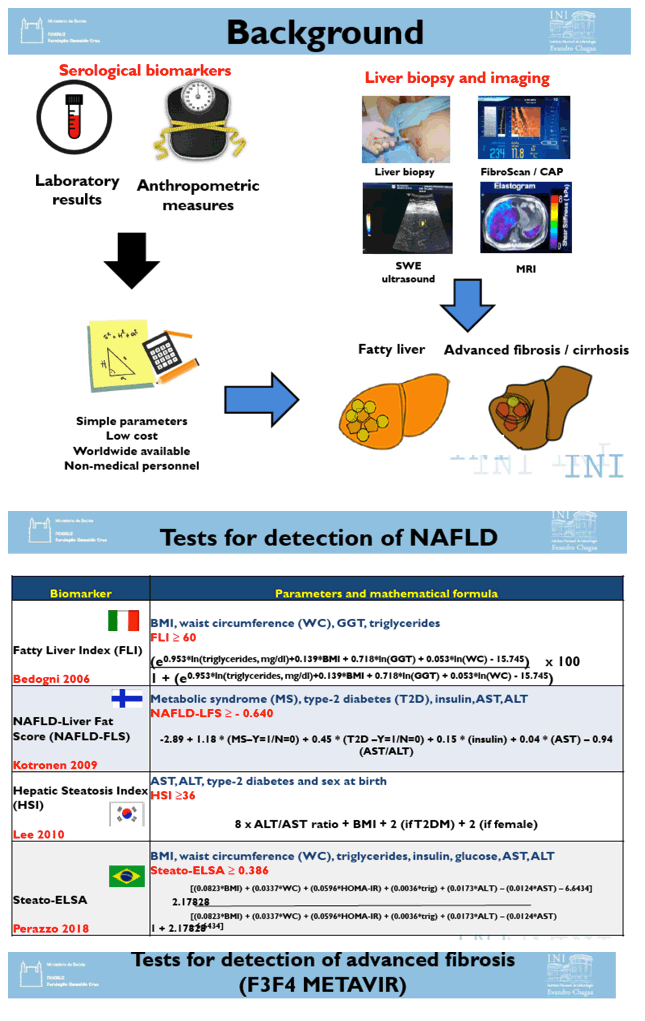
Fibroscan Cap Score 300
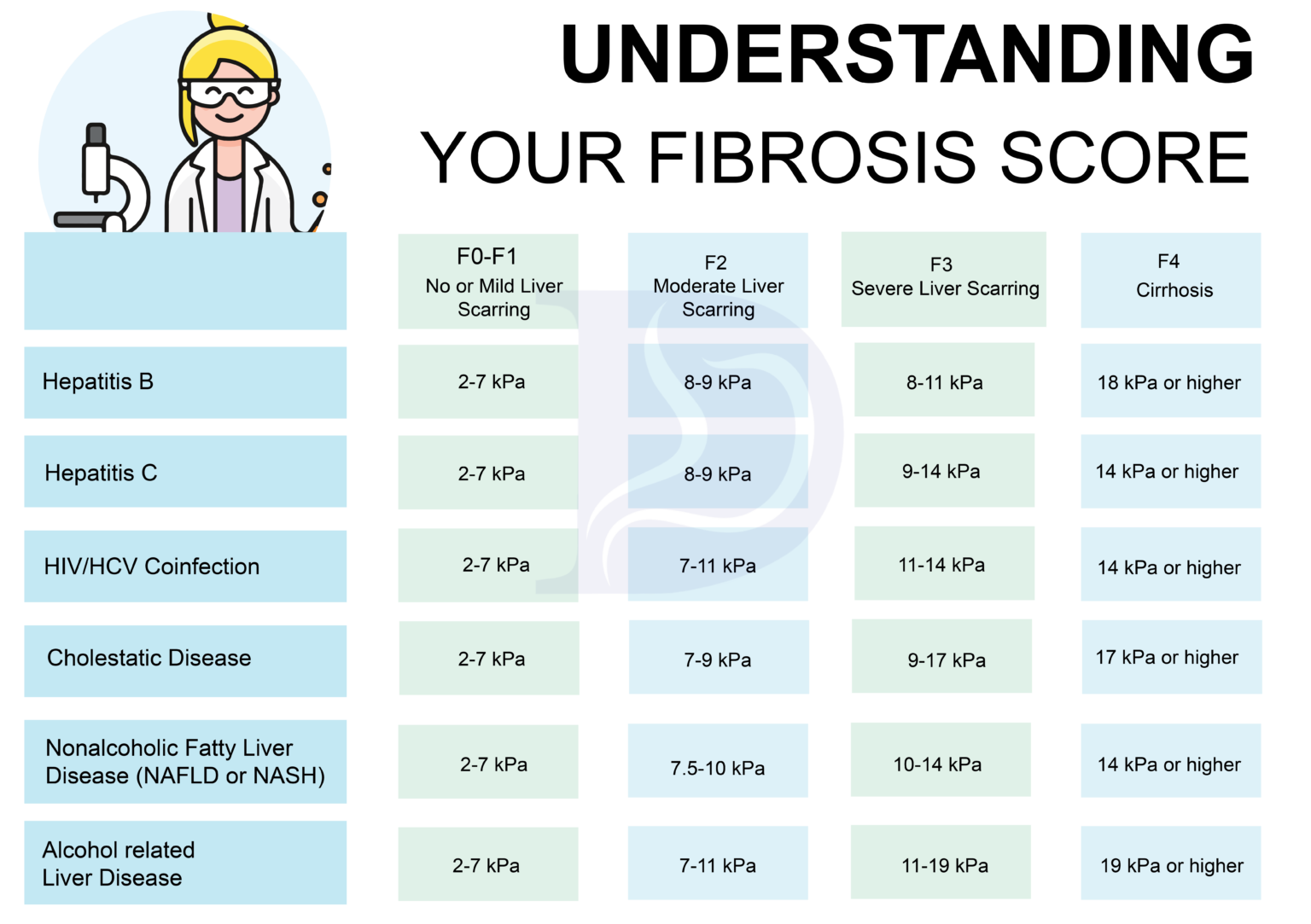
Cirrhosis Digestive and Liver Health Specialists
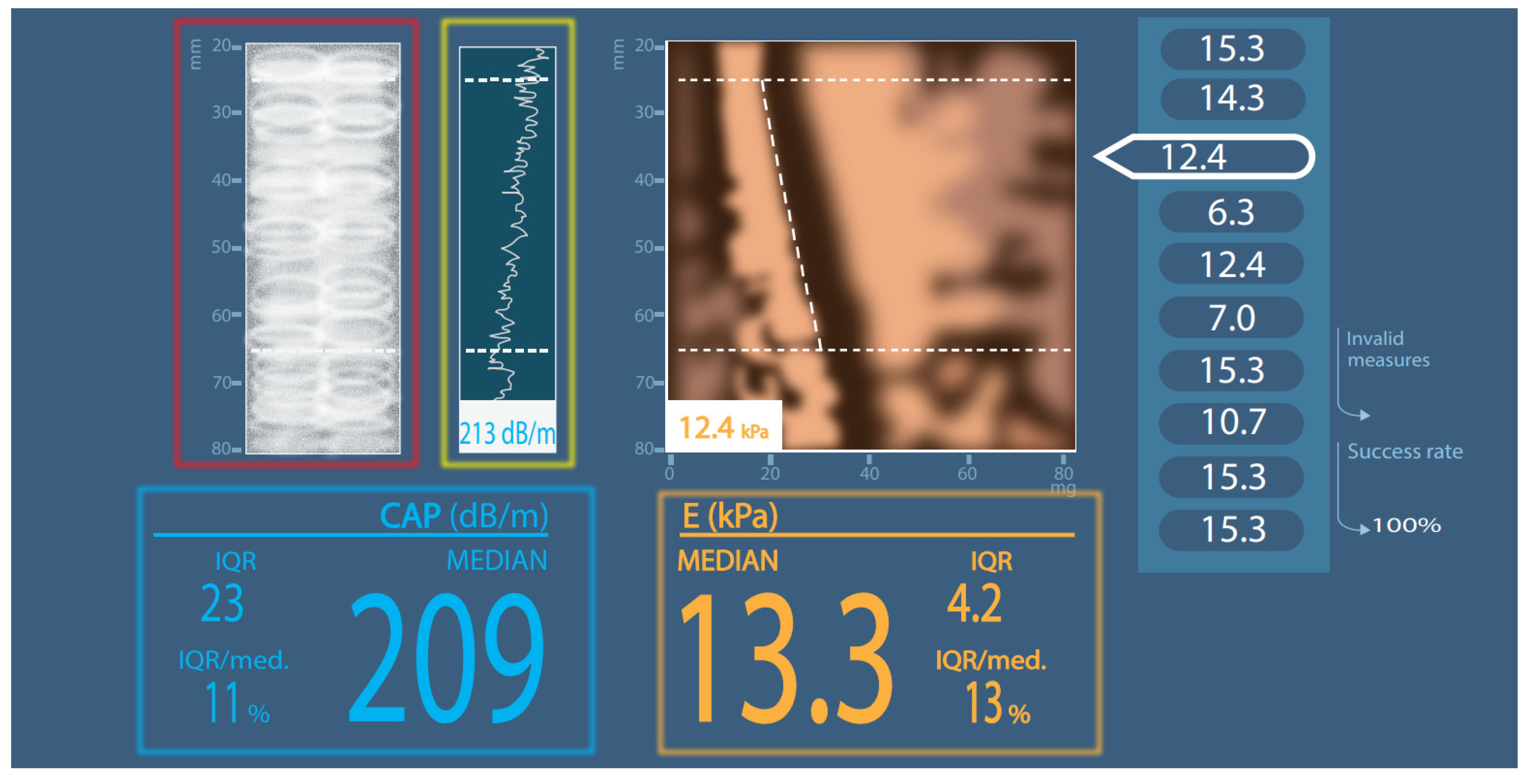
Diagnostics Free FullText UltrasoundBased Diagnostic Methods
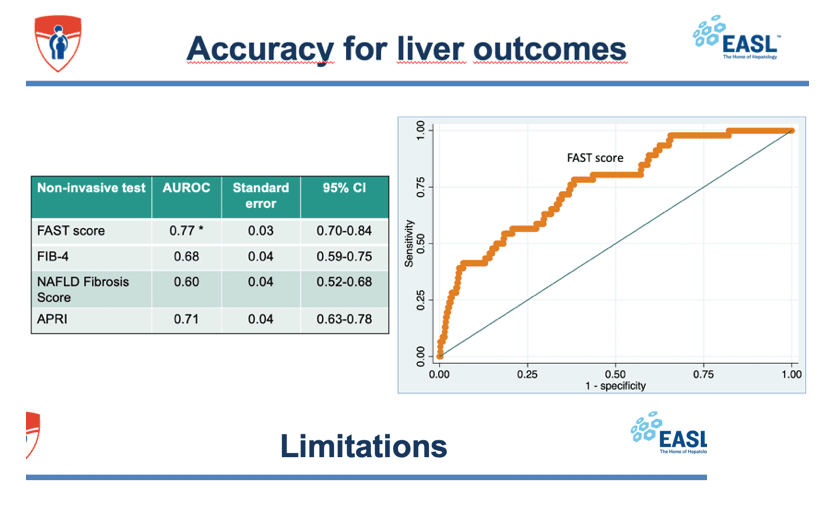
FibroscanAST (FAST) score predicts liverrelated in 1683 HIV
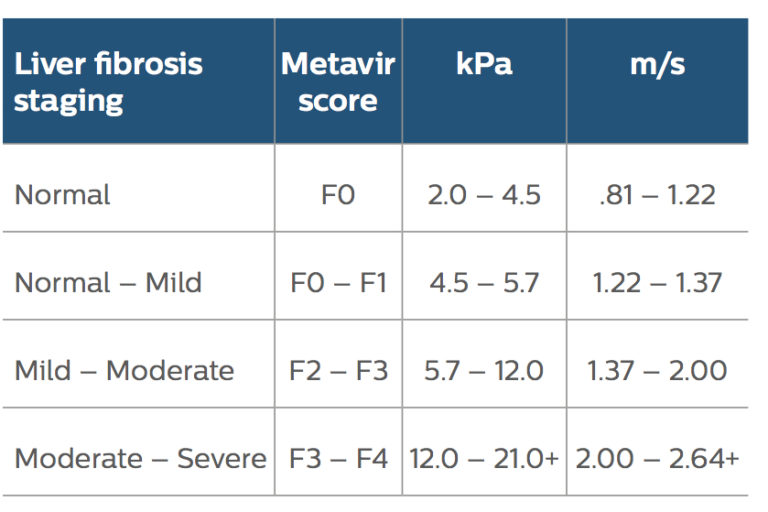
Transient Elastography (FibroScan) Texas Liver Institute
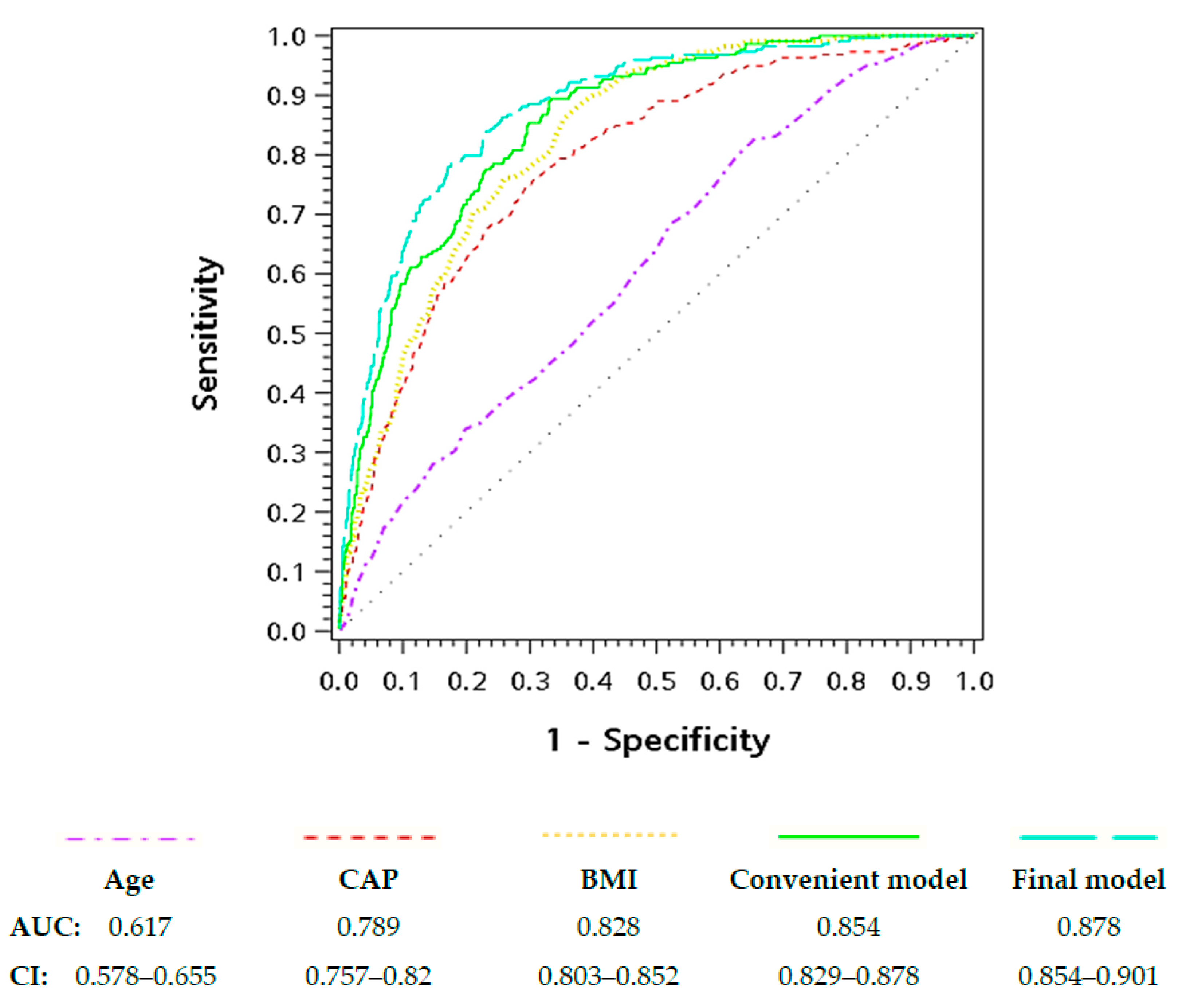
Fatty Liver Fibroscan Cap Score Chart Herbs and Food Recipes
.jpg)
Fibroscan Cap Score Chart A Visual Reference of Charts Chart Master
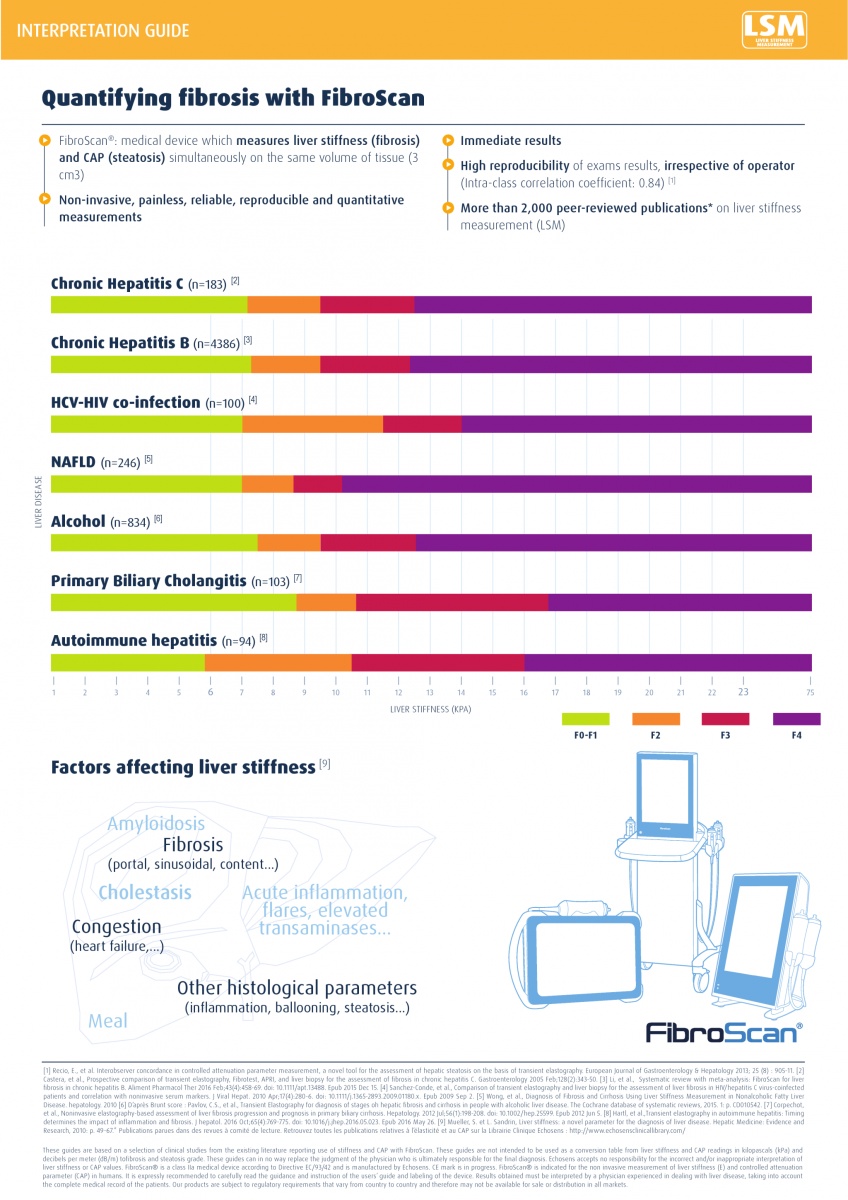
Interpretation_guide_LSMCAP_ENG (1/2)
A Score Below 238 Db/M Means The Amount Of Fatty Change In Your Liver Is Not Higher Than Normal.
Web Your Doctor Will Use Your Cap Score To Grade How Much Fatty Change Has Happened In The Liver.
Web Your Cap Score And Steatosis Grade Can Go Up Or Down Over Time.
Normal Livers Can Have Up To 5% Of Fatty Changes In Them.
Related Post:
