
Natural Dye Chart
Natural Dye Chart - Natural dyeing can produce such varying results—and if you don’t believe me, see this post about how one natural dye bath created three very different colors. There’s nothing needed to create them but a free day or two, an old cotton tee, some food scraps, and a big pot. From soft pastel to strikingly rich natural colors, your yarn or fabric will thank you for it. Web a chart defining which part of the plants to use to acquire natural dye colors onto fabric, fibers, yarns, threads, and more. Leftover fruit and vegetable materials, such as peels and skins, are ideal for creating natural fabric dyes in a variety of colors. It also includes dyes that can be used without mordants. Natural dye color chart for various leaves, barks, roots, berries, bugs, lichens, mushrooms, and the like. You can extract beautiful colors from leaves, flowers, bark, roots as well as rocks, fruits and veggies. Every step of the process is very important and must be done in the right order. I refer to the colors obtained with these dyes assuming that you are mordanting with alum. Web natural dyeing is the process of using natural dyes that are extracted from natural sources, such as plants, minerals and insects. Prepare yourself to delve into the kaleidoscope of using natural dye colors for your crafts and fabrics. Every step of the process is very important and must be done in the right order. Web a chart defining which part of the plants to use to acquire natural dye colors onto fabric, fibers, yarns, threads, and more. Natural dyeing can produce such varying results—and if you don’t believe me, see this post about how one natural dye bath created three very different colors. Web in this beginner’s guide to natural dyes you will learn how to produce intense and bright colors using natural dyes. Web a fabric dye colour mixing chart is a visual reference tool used in textile dyeing to facilitate the creation of custom colors. Natural dye color chart for various leaves, barks, roots, berries, bugs, lichens, mushrooms, and the like. Web this dyes list includes both dye plants (flowers, barks and leaves) and animal derived natural dyes. From soft pastel to strikingly rich natural colors, your yarn or fabric will thank you for it. Web a chart defining which part of the plants to use to acquire natural dye colors onto fabric, fibers, yarns, threads, and more. Every step of the process is very important and must be done in the right order. Natural dye color chart for various leaves, barks, roots, berries, bugs, lichens, mushrooms, and the like. I refer to the colors. Web a fabric dye colour mixing chart is a visual reference tool used in textile dyeing to facilitate the creation of custom colors. Look here if you’re searching for homemade hair dye. Web natural dyes are biodegradable, nontoxic, and zero waste, too. It also includes dyes that can be used without mordants. It’s possible to dye fabrics in an array. From soft pastel to strikingly rich natural colors, your yarn or fabric will thank you for it. Natural dye color chart for various leaves, barks, roots, berries, bugs, lichens, mushrooms, and the like. Web a fabric dye colour mixing chart is a visual reference tool used in textile dyeing to facilitate the creation of custom colors. Web natural dye chart.. Web natural dyeing is the process of using natural dyes that are extracted from natural sources, such as plants, minerals and insects. Web natural dyes are biodegradable, nontoxic, and zero waste, too. Every step of the process is very important and must be done in the right order. Leftover fruit and vegetable materials, such as peels and skins, are ideal. Look here if you’re searching for homemade hair dye. Web a fabric dye colour mixing chart is a visual reference tool used in textile dyeing to facilitate the creation of custom colors. It typically consists of a grid or table displaying combinations of primary, secondary, or tertiary colours, along with the corresponding proportions needed to achieve specific shades. Web natural. From soft pastel to strikingly rich natural colors, your yarn or fabric will thank you for it. Every step of the process is very important and must be done in the right order. Web natural dyes are biodegradable, nontoxic, and zero waste, too. Web natural dyes for many fabric types can be made from nuts and berries. Web natural dye. Natural dyeing can produce such varying results—and if you don’t believe me, see this post about how one natural dye bath created three very different colors. Web this dyes list includes both dye plants (flowers, barks and leaves) and animal derived natural dyes. There’s nothing needed to create them but a free day or two, an old cotton tee, some. Web natural dyeing is the process of using natural dyes that are extracted from natural sources, such as plants, minerals and insects. Web this article aims to introduce the art of natural plant dyeing. Web a fabric dye colour mixing chart is a visual reference tool used in textile dyeing to facilitate the creation of custom colors. It also includes. Natural dyeing can produce such varying results—and if you don’t believe me, see this post about how one natural dye bath created three very different colors. Web natural dyeing is the process of using natural dyes that are extracted from natural sources, such as plants, minerals and insects. Web a chart defining which part of the plants to use to. You can extract beautiful colors from leaves, flowers, bark, roots as well as rocks, fruits and veggies. The intensity and shade may vary from plant to plant, but you can generally expect the following colors. Leftover fruit and vegetable materials, such as peels and skins, are ideal for creating natural fabric dyes in a variety of colors. From soft pastel. Web in this beginner’s guide to natural dyes you will learn how to produce intense and bright colors using natural dyes. Understanding the art of natural plant dyeing You can extract beautiful colors from leaves, flowers, bark, roots as well as rocks, fruits and veggies. The intensity and shade may vary from plant to plant, but you can generally expect the following colors. Natural dyeing can produce such varying results—and if you don’t believe me, see this post about how one natural dye bath created three very different colors. Web natural dyeing is the process of using natural dyes that are extracted from natural sources, such as plants, minerals and insects. Web natural dyes for many fabric types can be made from nuts and berries. Web this dyes list includes both dye plants (flowers, barks and leaves) and animal derived natural dyes. Web there are many naturally occurring plants, minerals and crustaceans from which you can extract color and produce natural dyes. From soft pastel to strikingly rich natural colors, your yarn or fabric will thank you for it. There’s nothing needed to create them but a free day or two, an old cotton tee, some food scraps, and a big pot. Web natural dyes are biodegradable, nontoxic, and zero waste, too. Web natural dye chart. Natural dye color chart for various leaves, barks, roots, berries, bugs, lichens, mushrooms, and the like. It’s possible to dye fabrics in an array of colors you want, naturally! It also includes dyes that can be used without mordants.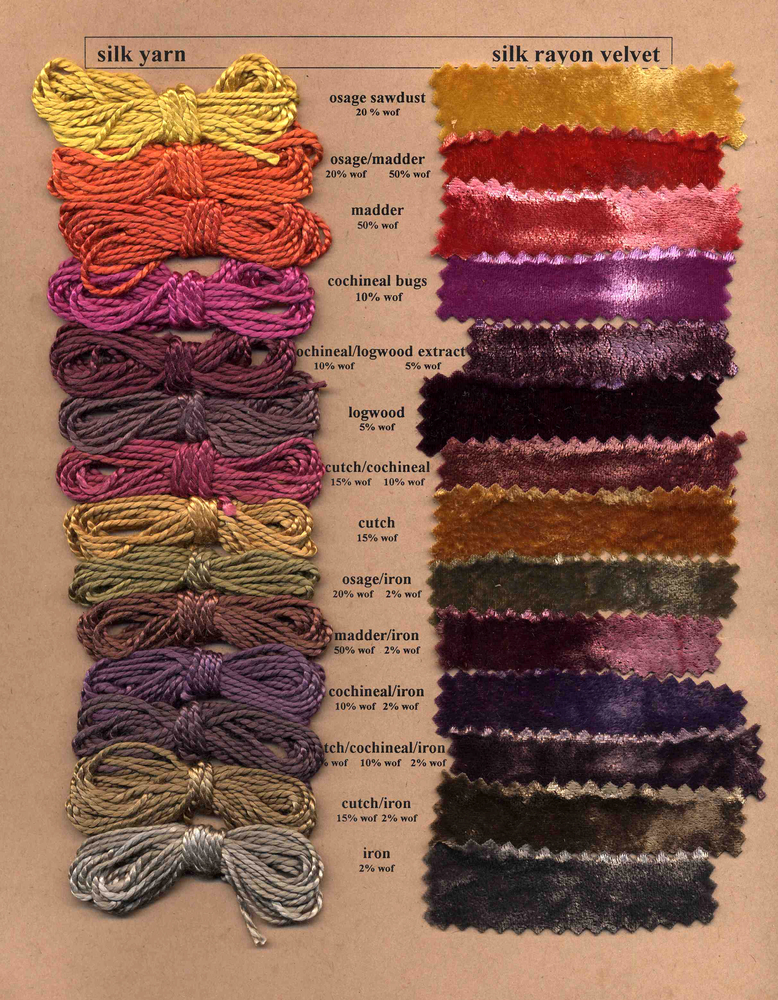
the Dye Dept. Natural Dyes Natural Dyes Colour Chart

Download the Maiwa Guide to Natural Dyes. The document takes you

Vegetable dye chart with mordant listed and medium (wool, linen, etc

Printable Freebie Natural Dyes Chart Design*Sponge How to dye

Ithaca Waldorf Handwork & more Natural Dye Chart

A useful (and beautiful) chart of natural fabric dyes. Wedding
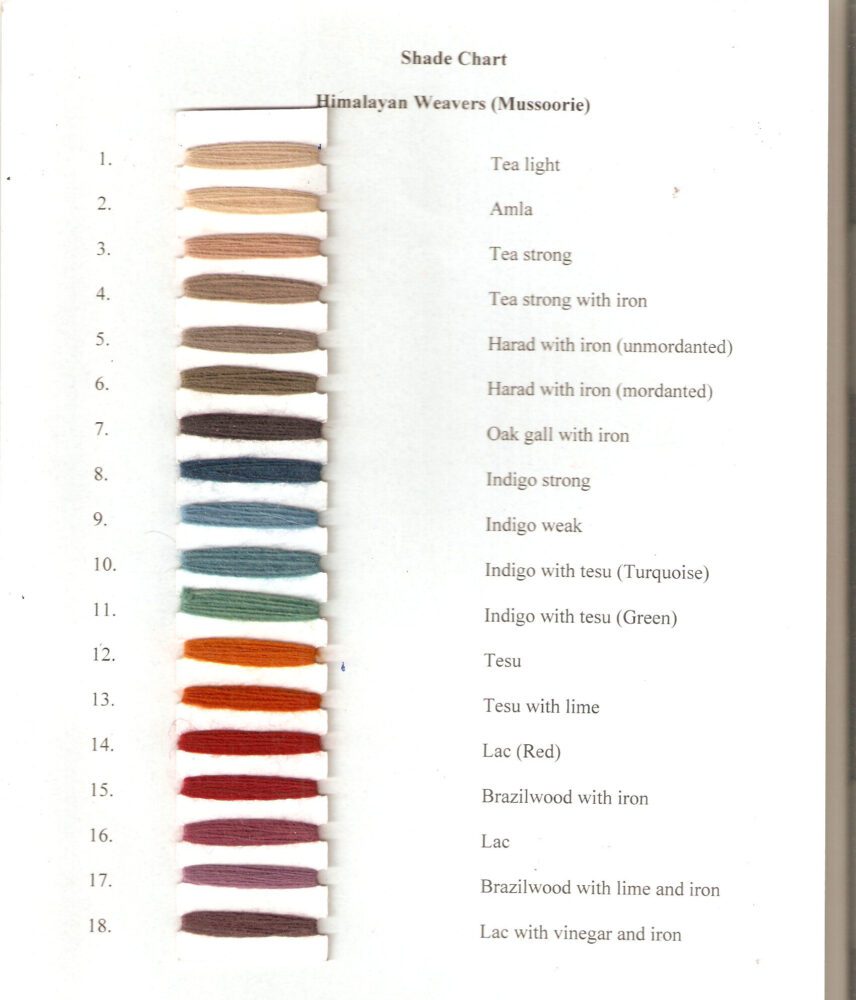
Natural Dyes By Himalayan Weavers
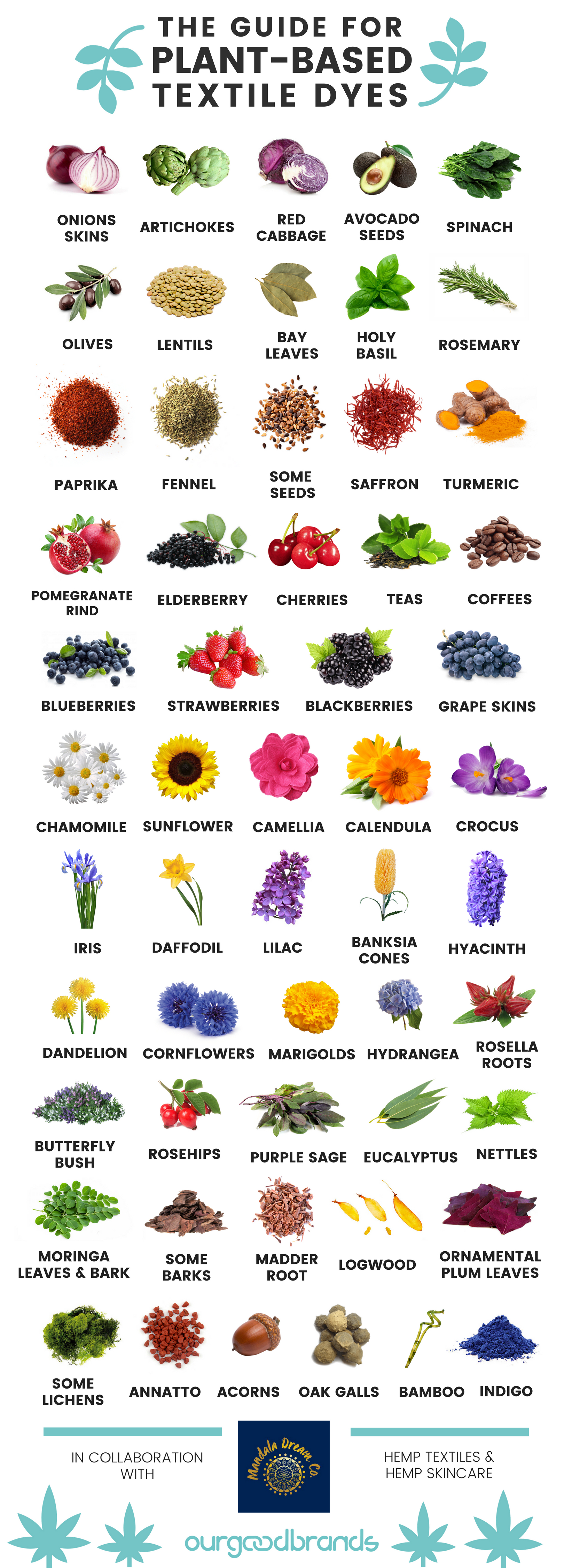
The guide for natural fabric dyes the alchemy for textile artists
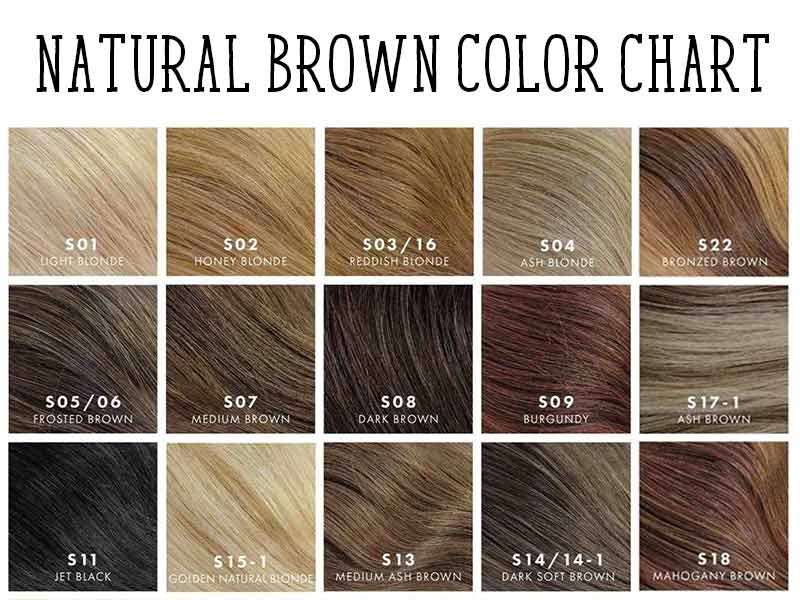
The Insider Secret On Natural Hair Color Chart Uncovered Layla Hair
:max_bytes(150000):strip_icc()/how-to-make-natural-fabric-dyes-5663420-a23c501b541a4e17be24ce015667b3cc.jpg)
How to Make Natural Fabric Dyes
Web This Article Aims To Introduce The Art Of Natural Plant Dyeing.
Every Step Of The Process Is Very Important And Must Be Done In The Right Order.
Prepare Yourself To Delve Into The Kaleidoscope Of Using Natural Dye Colors For Your Crafts And Fabrics.
Leftover Fruit And Vegetable Materials, Such As Peels And Skins, Are Ideal For Creating Natural Fabric Dyes In A Variety Of Colors.
Related Post: