
Ng Tube Size Chart
Ng Tube Size Chart - Web an ng tube is a thin, soft plastic tube that is inserted through your baby’s nose, down the back of their throat, down the oesophagus and into the stomach. Having feeds this way is known as ‘enteral feeding’. Identify the indications for ng tube insertion. Ng tubes are measured and categorized according to the diameter of the tube, and the length of the tube, known as the french gauge (fr), or the charrière scale (ch). It is a flexible plastic tube which is inserted through the nostril down the posterior oropharynx, and inside the stomach or. To find the correct size (in french), add 16 to the patient's age in years and. Size available from 6 to 18f in adult and 10 to 14f in pediatrics/infants. “nasogastric” means “nose to stomach”. Outline nursing assessments and interventions related to the insertion of an ng tube. Web a nasogastric (ng) tube is a thin, soft tube made of plastic or rubber that is passed through the nose, down through the throat, and into the stomach. The tube is designed to pass through your nasal cavity into your throat and. Verification of gastric placement is performed prior to any use of an ng tube. The initial insertion will be whilst your child is an inpatient on the ward. Size available from 6 to 18f in adult and 10 to 14f in pediatrics/infants. You’ll need to give verbal consent to have the tube placed. Auscultation of air insufflated through the feeding tube (‘whoosh’ test) testing the acidity/alkalinity of aspirate using blue litmus. Feeding tubes tend to have narrower bores than aspiration tubes and smaller patients tend to have narrower tubes. It is passed via the nose into the oropharynx and upper gastrointestinal tract. Enteric tubes that will be removed within a short period of time can also be passed through the mouth (orogastric). Identify the indications for ng tube insertion. The tube is designed to pass through your nasal cavity into your throat and. It’s always good to have a loved one around during the. Identify contraindications for ng tube insertion. “nasogastric” means “nose to stomach”. Nasogastric tube (ng tube) an ng tube is inserted through the nose, down the oesophagus, and into the stomach. Web a nasogastric tube (ng tube) is a thin, flexible plastic tube that’s used for temporary medical purposes. 01/2017 reviewed 3/2019 reviewed 6/2020. It is passed via the nose into the oropharynx and upper gastrointestinal tract. Or removal of stomach contents. Some types of ryles tubes. Auscultation of air insufflated through the feeding tube (‘whoosh’ test) testing the acidity/alkalinity of aspirate using blue litmus. Ng/og tubes may be used for Feeding tube sizes and options critical points 1. Web ryle’s tube is also called an (ngt) nasogastric tube. It is used to deliver food or medicine to the stomach for people who have difficulty eating or. The radioopaque line helps in the correct insertion of a tube into the stomach. To find the correct size (in french), add 16 to the patient's age in years and. Methods which should never be used to confirm ng tube position include:¹. Web nasogastric (ng) tubes or orogastric (og) tubes are small tubes placed either through the nose or the. The tube is designed to pass through your nasal cavity into your throat and. Web a nasogastric (ng) tube is a thin, soft tube made of plastic or rubber that is passed through the nose, down through the throat, and into the stomach. Web an ng tube is a thin, soft plastic tube that is inserted through your baby’s nose,. Web a nasogastric tube (ng tube) is a thin, flexible plastic tube that’s used for temporary medical purposes. Identify the indications for ng tube insertion. Before the ng tube is placed, your care team will explain what is going to happen, why, and what to expect. Auscultation is not a method of ng tube placement verification. Some types of ryles. Identify contraindications for ng tube insertion. Size available from 6 to 18f in adult and 10 to 14f in pediatrics/infants. Methods which should never be used to confirm ng tube position include:¹. Outline nursing assessments and interventions related to the insertion of an ng tube. It is used to deliver food or medicine to the stomach for people who have. Nasogastric tube (ng tube) an ng tube is inserted through the nose, down the oesophagus, and into the stomach. Auscultation is not a method of ng tube placement verification. Nasogastric tube (ng tube) can be of different types, and is used for various purposes. Web a nasogastric (ng) tube is a thin, soft tube made of plastic or rubber that. Web ryle’s tube is also called an (ngt) nasogastric tube. You’ll need to give verbal consent to have the tube placed. Web inserting the ng tube the ng tube will be inserted by a registered nurse; It is a flexible plastic tube which is inserted through the nostril down the posterior oropharynx, and inside the stomach or. To find the. The radioopaque line helps in the correct insertion of a tube into the stomach. The supplies you’ll need include the ng tube, gloves, some anesthetic jelly or lubricant, a glass of water, a towel, some tissues, some tape, an emesis basin, and possibly a ph strip. Size available from 6 to 18f in adult and 10 to 14f in pediatrics/infants.. Or removal of stomach contents. Nasogastric tube (ng tube) an ng tube is inserted through the nose, down the oesophagus, and into the stomach. Identify contraindications for ng tube insertion. Verification of gastric placement is performed prior to any use of an ng tube. Web the two methods of confirming ng tube position include:¹. Size available from 6 to 18f in adult and 10 to 14f in pediatrics/infants. Web an ng tube is a thin, soft plastic tube that is inserted through your baby’s nose, down the back of their throat, down the oesophagus and into the stomach. 01/2017 reviewed 3/2019 reviewed 6/2020. Web a nasogastric (ng) tube is a thin, soft tube made of plastic or rubber that is passed through the nose, down through the throat, and into the stomach. Methods which should never be used to confirm ng tube position include:¹. The length of tube must also be sufficient The length and size of the tube needed depends on your child’s size and this will be. Ng tubes are measured and categorized according to the diameter of the tube, and the length of the tube, known as the french gauge (fr), or the charrière scale (ch). Having feeds this way is known as ‘enteral feeding’. Outline nursing assessments and interventions related to the insertion of an ng tube. Measurement of ng aspirate ph using ph indicator paper.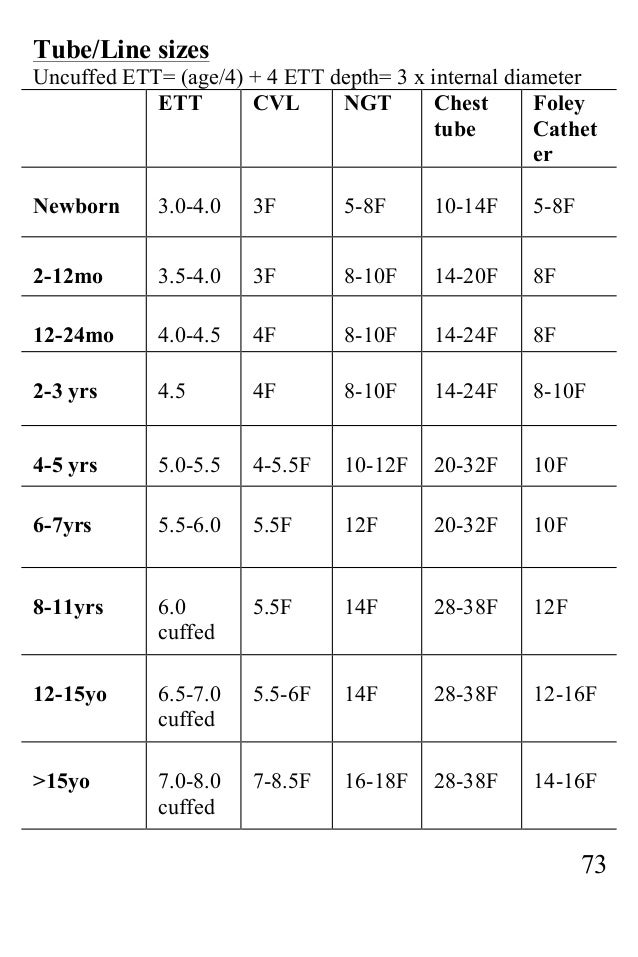
Ng Tube Size Chart

Nasogastric Tube Size Chart

Gastric Tube Size Chart

Nasogastric Tube Size Chart

Appropriate NG tube size for child and adults YouTube

Nasogastric Tube Size Chart

Nasogastric Tube Size Chart
Nasogastric Tube Size Chart

Nasogastric Tube Size Chart

Ng Tube Size Chart
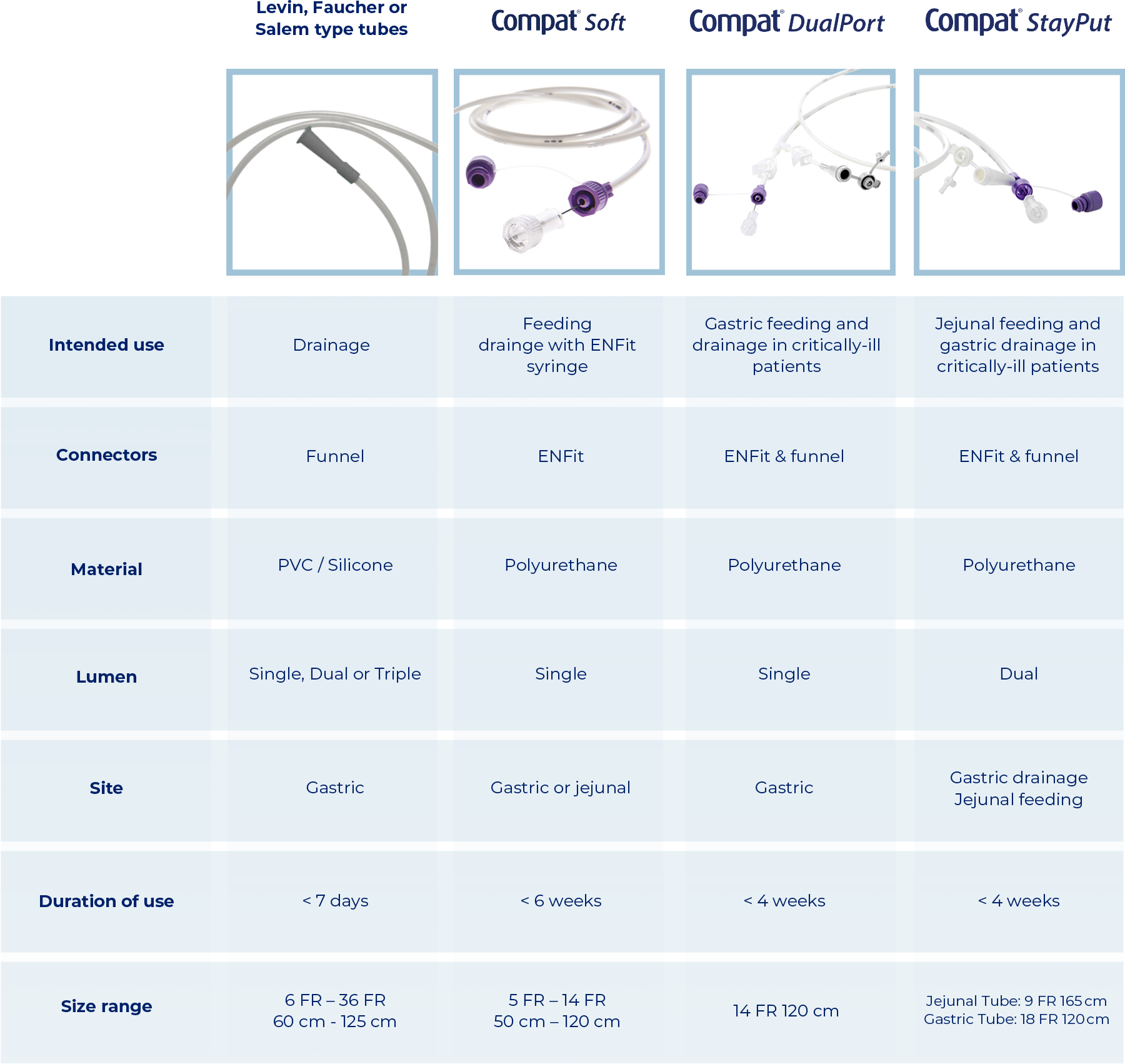
Feeding Tubes Tend To Have Narrower Bores Than Aspiration Tubes And Smaller Patients Tend To Have Narrower Tubes.
You’ll Need To Give Verbal Consent To Have The Tube Placed.
The Larger The Fr Number, The Wider The Diameter Of The Tube Will Be.
“Nasogastric” Means “Nose To Stomach”.
Related Post: