
Standard Algorithm Multiplication Anchor Chart
Standard Algorithm Multiplication Anchor Chart - Distinguish multiplicative comparison from additive comparison. Web learn how to use visual models, area models and the standard algorithm to teach students various strategies for multiplying decimals. Students love this cheat sheet! Web browse anchor chart for multiplying using standard algorithm resources on teachers pay teachers, a marketplace trusted by millions of teachers for original educational resources. Anchor charts are used as a learning tool. Web multiply decimals (standard algorithm) anchor chart. 4 x 2 = 8. This is a complete lesson with explanations and exercises about the standard algorithm of multiplication (multiplying in columns), meant for fourth grade. Web ready for gorgeous anchor charts? Web the standard algorithm for multiplying whole numbers involves breaking the numbers down into their place values and multiplying each place value separately. Four easy steps to get your kids to master the concept! This is a complete lesson with explanations and exercises about the standard algorithm of multiplication (multiplying in columns), meant for fourth grade. Web the standard algorithm for multiplying whole numbers involves breaking the numbers down into their place values and multiplying each place value separately. Included are individual pages for each step as well as all of the steps condensed to one page. Students love this cheat sheet! Web there are four different multiplication standard algorithm anchor charts included: The charts useful for grade 3, grade 4, grade 5, and grade 6! This pack will contain one standard multiplication strategies. Web use these anchor charts/posters to help students remember the steps of the standard algorithm for each operation! Web browse anchor chart for multiplying using standard algorithm resources on teachers pay teachers, a marketplace trusted by millions of teachers for original educational resources. This is a complete lesson with explanations and exercises about the standard algorithm of multiplication (multiplying in columns), meant for fourth grade. 2 goes down, carry the 1. Multiply over 4 x 3 = 12. The best strategy for teaching multiplication standard algorithm using shapes and colors. Web 1 anchor chart or poster to be used within the classroom. Web interpret a multiplication equation as a comparison. Guided notes pages are included so students can write the steps in their own words. Four easy steps to get your kids to master the concept! Web if your child struggles with multiplication homework, creating an anchor chart for home could help. This is also called the long or old way. Web if your child struggles with multiplication homework, creating an anchor chart for home could help. Add them to fifth grade math notebooks and binders or hang them in your workspace at home. The best strategy for teaching multiplication standard algorithm using shapes and colors. Web browse standard algorithm of multiplication anchor chart resources on teachers pay teachers, a marketplace. Web 1 anchor chart or poster to be used within the classroom. This is a complete lesson with explanations and exercises about the standard algorithm of multiplication (multiplying in columns), meant for fourth grade. Web learn how to use visual models, area models and the standard algorithm to teach students various strategies for multiplying decimals. They help students recognize learning. Included are individual pages for each step as well as all of the steps condensed to one page. Description an anchor chart is a great way to help students see scenarios where the Web these personal anchor charts will come in handy as students learn to multiply decimals using base ten blocks, money, and the standard algorithms. This pack will. Students love this cheat sheet! Web learn how to use visual models, area models and the standard algorithm to teach students various strategies for multiplying decimals. The best strategy for teaching multiplication standard algorithm using shapes and colors. They help students recognize learning goals, review concepts, and establish learning expectations. 4 x 2 = 8. Included are individual pages for each step as well as all of the steps condensed to one page. Web 1 anchor chart or poster to be used within the classroom. Web these personal anchor charts will come in handy as students learn to multiply decimals using base ten blocks, money, and the standard algorithms. Web browse anchor chart for multiplying. Web use these anchor charts/posters to help students remember the steps of the standard algorithm for each operation! Add them to fifth grade math notebooks and binders or hang them in your workspace at home. The charts useful for grade 3, grade 4, grade 5, and grade 6! Web browse standard algorithm of multiplication anchor chart resources on teachers pay. Web browse standard algorithm of multiplication anchor chart resources on teachers pay teachers, a marketplace trusted by millions of teachers for original educational resources. Web interpret a multiplication equation as a comparison. 2 goes down, carry the 1. Anchor charts are used as a learning tool. Web multiply decimals (standard algorithm) anchor chart. Web learn how to use visual models, area models and the standard algorithm to teach students various strategies for multiplying decimals. This is a complete lesson with explanations and exercises about the standard algorithm of multiplication (multiplying in columns), meant for fourth grade. 2 goes down, carry the 1. 5 x 2 = 10 plus the 1 = 11. Web. Web ready for gorgeous anchor charts? Web use these anchor charts/posters to help students remember the steps of the standard algorithm for each operation! Distinguish multiplicative comparison from additive comparison. 2 goes down, carry the 1. Multiply over 4 x 3 = 12. Multiply or divide to solve word problems involving multiplicative comparisons using models and equations with a symbol for the unknown number. Add them to fifth grade math notebooks and binders or hang them in your workspace at home. Web these personal anchor charts will come in handy as students learn to multiply decimals using base ten blocks, money, and the standard algorithms. The charts useful for grade 3, grade 4, grade 5, and grade 6! This is also called the long or old way. Students love this cheat sheet! Web browse anchor chart for multiplying using standard algorithm resources on teachers pay teachers, a marketplace trusted by millions of teachers for original educational resources. Four easy steps to get your kids to master the concept! Web 1 anchor chart or poster to be used within the classroom. They help students recognize learning goals, review concepts, and establish learning expectations. The best strategy for teaching multiplication standard algorithm using shapes and colors.
MultiDigit Multiplication Multiplication anchor charts, Teaching

Multiplication Standard and Expanded Algorithm Mrs. Ashley's Math

2 Digit By 2 Digit Multiplication Standard Algorithm Anchor Chart

Multiplication Anchor Chart Multiplication anchor charts, Math anchor
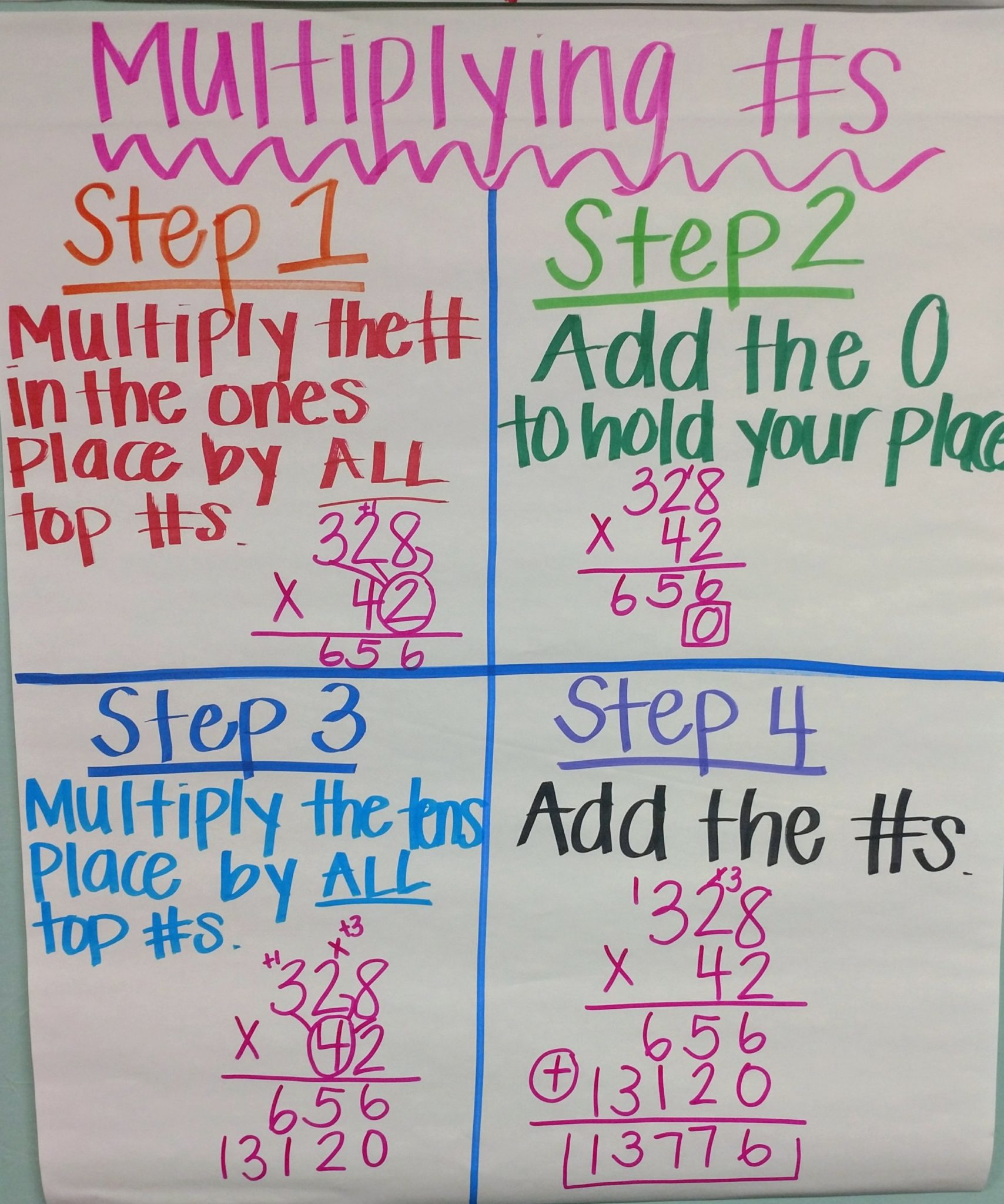
Multiplication Anchor Chart Teaching MultiDigit Multiplication

2 Digit By 2 Digit Multiplication Standard Algorithm

When it comes to multiplying whole numbers using the standard algorithm
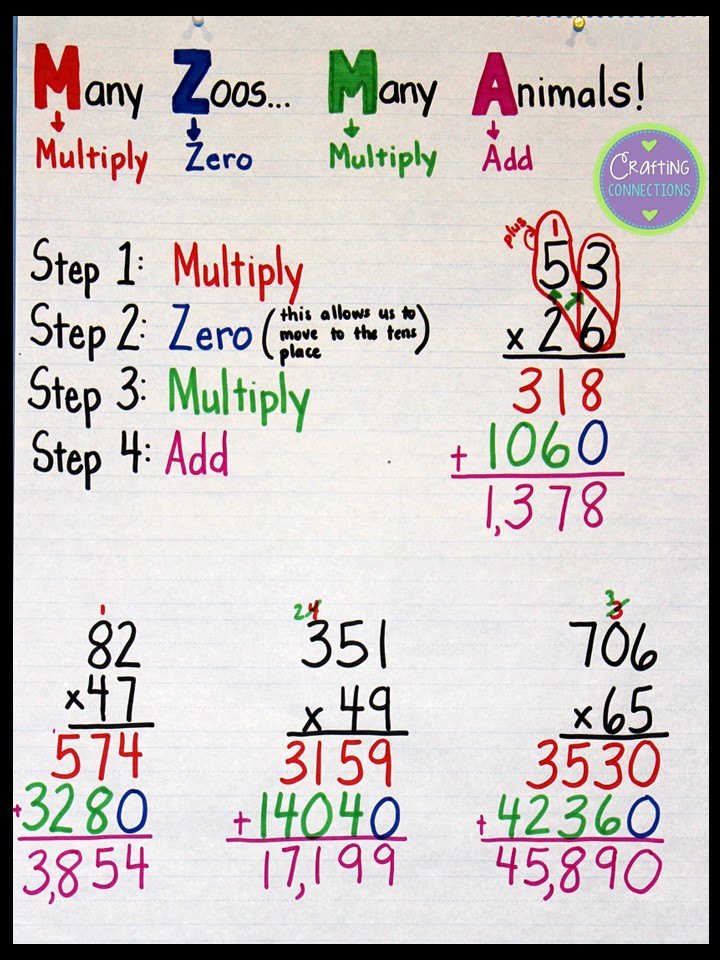
Multiplication Standard Algorithm Anchor Chart

These fun multiplication strategies anchor charts are perfect for

Multiplication Standard Algorithm Interactive Anchor Chart Made By
5 X 2 = 10 Plus The 1 = 11.
This Pack Will Contain One Standard Multiplication Strategies.
Web The Standard Algorithm For Multiplying Whole Numbers Involves Breaking The Numbers Down Into Their Place Values And Multiplying Each Place Value Separately.
Web If Your Child Struggles With Multiplication Homework, Creating An Anchor Chart For Home Could Help.
Related Post: